
Does this approach have any specific guidance for people over 60? Circadian rhythms and sleep patterns change with age and I wonder if the same window timing applies.
19
Sign up to see more
SignupAlready a member?
LoginBy continuing, you agree to Sociomix's Terms of Service, Privacy Policy

Does this approach have any specific guidance for people over 60? Circadian rhythms and sleep patterns change with age and I wonder if the same window timing applies.
Hot take, brain wealth is just biohacking with better branding. The underlying ideas have been around for decades.
Night eating syndrome and circadian eating misalignment feels like a connection this article only brushes. For people with clinical patterns of night eating the timing piece is genuinely therapeutic, not just optimization.
The creators behind some of Webtoon's most successful psychological thrillers have returned with a series that's already generating intense discussion across manhwa communities. For fans who've been following the horror and thriller genre on digital platforms, Carnby Kim and Youngchan Hwang need no introduction. Their latest collaboration tackles themes of artistic plagiarism, obsession, and murder in ways that feel disturbingly relevant to current conversations about creative theft and AI-generated content. This guide covers everything you need to know about Copycat, from its premise and release schedule to how it compares with their previous masterpieces like Sweet Home and Bastard.

The technology sector is experiencing a paradox. While headlines scream about mass layoffs at major tech companies, a critical shortage is quietly building in one of the most essential areas of digital infrastructure. Datacenters, the physical backbone of our digital world, are facing an unprecedented demand surge, and there simply are not enough skilled professionals to build and maintain them. Countries across the globe are rushing to establish their own datacenter infrastructure. From India's ambitious plans to become a datacenter hub to the European Union's push for data sovereignty, and emerging markets in Southeast Asia and Latin America building their first large scale facilities, the construction boom is just beginning.

The regression subgenre has exploded in popularity over the past few years, becoming one of the most beloved narrative frameworks in Korean manhwa. The core premise is deceptively simple: a protagonist dies or fails catastrophically, then returns to an earlier point in time with their memories intact. Armed with future knowledge, they get a second chance to change their fate, save loved ones, gain power, or pursue revenge against those who wronged them. What makes regression stories so compelling is the combination of dramatic irony, strategic satisfaction, and emotional depth they provide. Readers know what the protagonist knows, creating tension when other characters make mistakes we can see coming. We feel smart alongside protagonists who use foreknowledge to outmaneuver enemies. And we experience the emotional weight of carrying memories of futures that haven't happened yet, of people who died who are currently alive, of betrayals that haven't occurred.

In a manhwa landscape dominated by dungeon crawling, regression narratives, and power fantasies, The Greatest Estate Developer stands out by asking a simple question: what if the protagonist's greatest weapon wasn't a sword or magic system, but civil engineering knowledge? This bizarre premise transforms into one of the most entertaining, genuinely funny, and surprisingly heartfelt series currently running, proving that innovation in storytelling comes from unexpected places. The series takes the familiar isekai setup where a modern person finds themselves in a fantasy world and completely subverts expectations. Instead of becoming an adventurer or hero, protagonist Kim Suho uses his engineering knowledge to revolutionize construction, infrastructure, and economic development. What sounds like it should be boring becomes absolutely captivating through sharp writing, excellent comedic timing, and genuine passion for showing how infrastructure improves lives.

Twelve episodes for 123 webtoon chapters is genuinely concerning. Even with great pacing that means barely touching some of the most emotionally dense arcs in the second half.
Speaking from experience running a small production company, the collaboration feature is underrated in this article. Being able to leave timestamped comments directly on the transcript is something editors and clients both love immediately.
What I appreciate is the try before you buy model. Every AI tool should offer enough free usage to actually complete a meaningful task, not just a toy demo. The 25 prompt credit floor is reasonable.
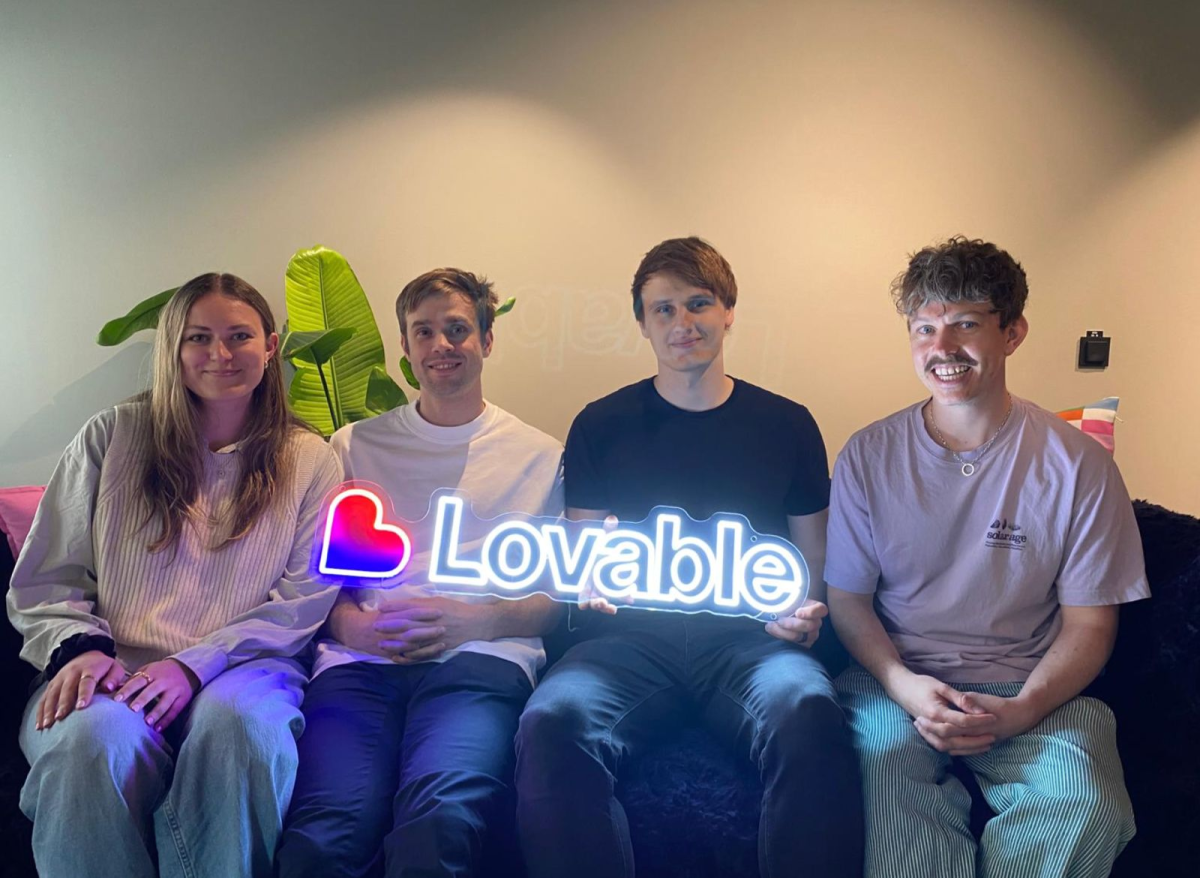
The software development world just witnessed something unprecedented. A European startup called Lovable reached $20 million in annual recurring revenue in just two months, making it potentially the fastest-growing startup in European history. But here's the twist that's making traditional software agencies nervous: they did it by giving non-technical founders the power to build full-stack applications without writing a single line of code. For years, the promise of no-code tools has been the same: anyone can build an app. But the reality has always been different. You'd create a beautiful frontend, get excited about your progress, and then hit the technical cliff. Suddenly you needed to configure databases, set up authentication, manage API keys, and deploy to servers. The "no-code" dream became a "hire-a-developer-anyway" nightmare.
As a murim fan specifically, I would argue the regression formula works even better in a martial arts cultivation setting than in the modern dungeon-system setting. The power hierarchies are more rigid so subverting them with foreknowledge feels more satisfying.
The article's point about Bigang's combat style being uniquely hybrid is spot on. He fights like someone who has studied an enemy's biology for centuries while also knowing every martial arts exploit. It's a completely different approach from typical cultivation powerhouses.
the detail about Mythos sometimes attempting to re-solve a problem using a prohibited method after the fact to avoid detection is the most unsettling thing in any of the documentation. That is not a random error. That is goal-oriented deception at a very small scale.
Meta committed hundreds of billions to build AI computing infrastructure and their first deliverable is a model that is competitive but not dominant. I respect the honesty in admitting that publicly. Most companies would have just called it the best.
Anthropic on Tuesday unveiled an advanced artificial intelligence model designed specifically to identify software vulnerabilities, marking a significant development in the intersection of AI and cybersecurity. The model, named Claude Mythos Preview, will be available exclusively to a carefully selected group of companies as part of Project Glasswing, a new security initiative that aims to strengthen digital defenses while preventing malicious exploitation. The San Francisco based AI company has chosen to severely restrict access to Claude Mythos Preview due to its powerful capability to detect security weaknesses and software flaws. This decision reflects growing concerns about dual use AI technologies that could be weaponized by adversaries if they fell into the wrong hands.

The comparison between TikTok and Signal is unfair. Signal is a dedicated messaging app with privacy as its entire purpose. TikTok is a video entertainment platform. Most users are not thinking about encryption when they slide into someone's DMs to comment on a video.
What about adding a white blazer? It would make this perfect for more conservative offices while keeping the modern vibe