The supplement industry reaching $1.48 billion in brain health products alone in 2025 explains why my social media feed looks the way it does. The marketing machine found the angle that resonates with younger consumers and is not letting go.
Sign up to see more
SignupAlready a member?
LoginBy continuing, you agree to Sociomix's Terms of Service, Privacy Policy
Sign up to see more
SignupAlready a member?
LoginBy continuing, you agree to Sociomix's Terms of Service, Privacy Policy

The supplement industry reaching $1.48 billion in brain health products alone in 2025 explains why my social media feed looks the way it does. The marketing machine found the angle that resonates with younger consumers and is not letting go.
The whole debate about whether you can separate the art from the artist gets weirdly sidestepped by a film that just pretends the difficult part of the question never arose. That is not a resolution, it is an avoidance.
Is the Regressor Instruction Manual still ongoing or did it finish? Asking because I want to know whether to start now or wait for more chapters to build up.
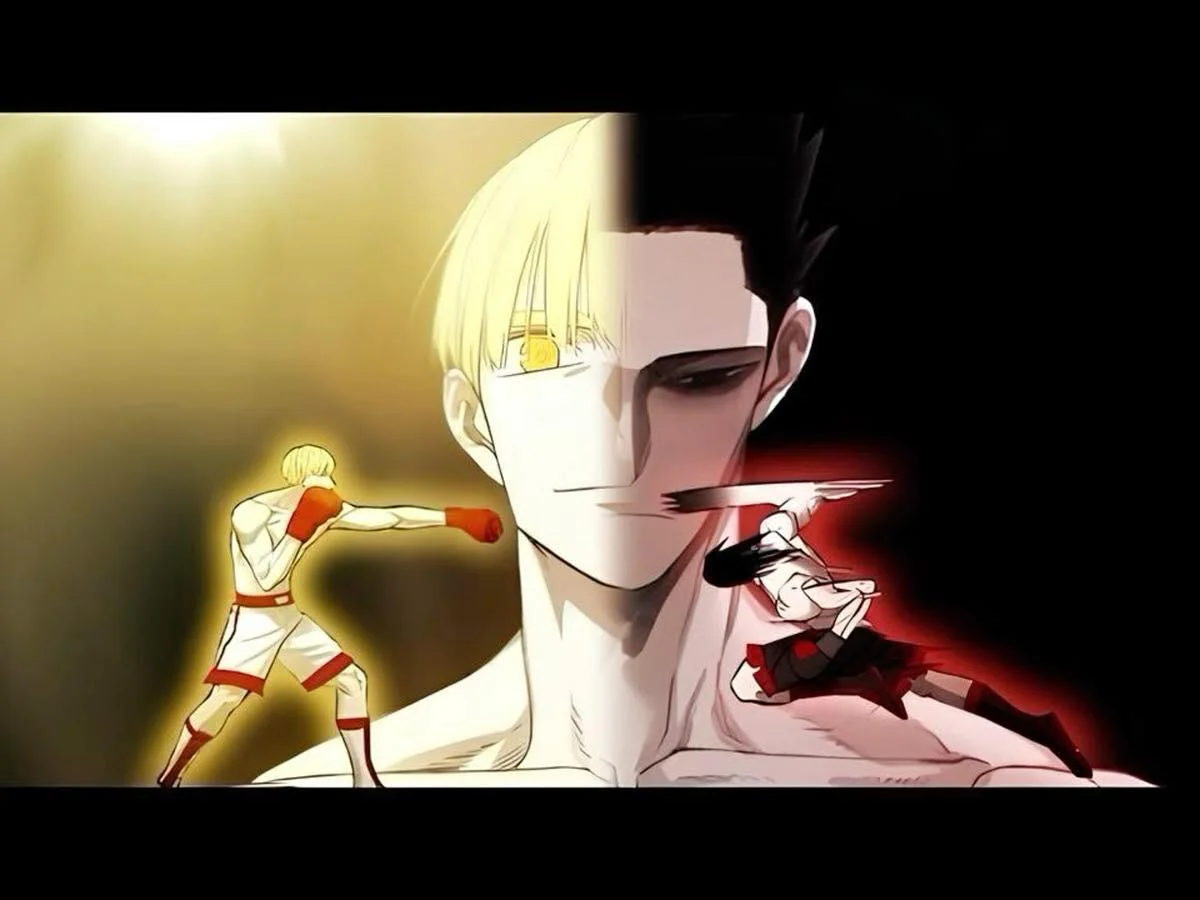
Sports anime and manga have delivered countless memorable series over the decades, from Slam Dunk's basketball brilliance to Haikyuu's volleyball excellence. These stories typically follow familiar patterns: talented but inexperienced protagonist joins a team, forms bonds with teammates, faces rivals, grows through competition, and ultimately pursues championship glory. The formula works because it taps into universal themes about effort, teamwork, and self-improvement. The Boxer, created by JH, takes everything you expect from sports stories and systematically deconstructs it. The protagonist doesn't love boxing. He doesn't form deep bonds with teammates. He doesn't overcome challenges through friendship and determination. Instead, the manhwa presents one of the darkest, most psychologically complex examinations of combat sports ever created, wrapped in stunningly minimalist artwork that elevates the narrative to something approaching high art.
The constellation system in ORV basically predicted how social media audiences consume content. Watching powerful beings sponsor humans for entertainment value hits differently in 2025 than it probably did when the story was written.
Genuinely curious whether kain_y and SORAGAE had planned this as a long serialization from the start or if it began as shorter standalone stories. The episodic structure in early chapters suggests the latter.
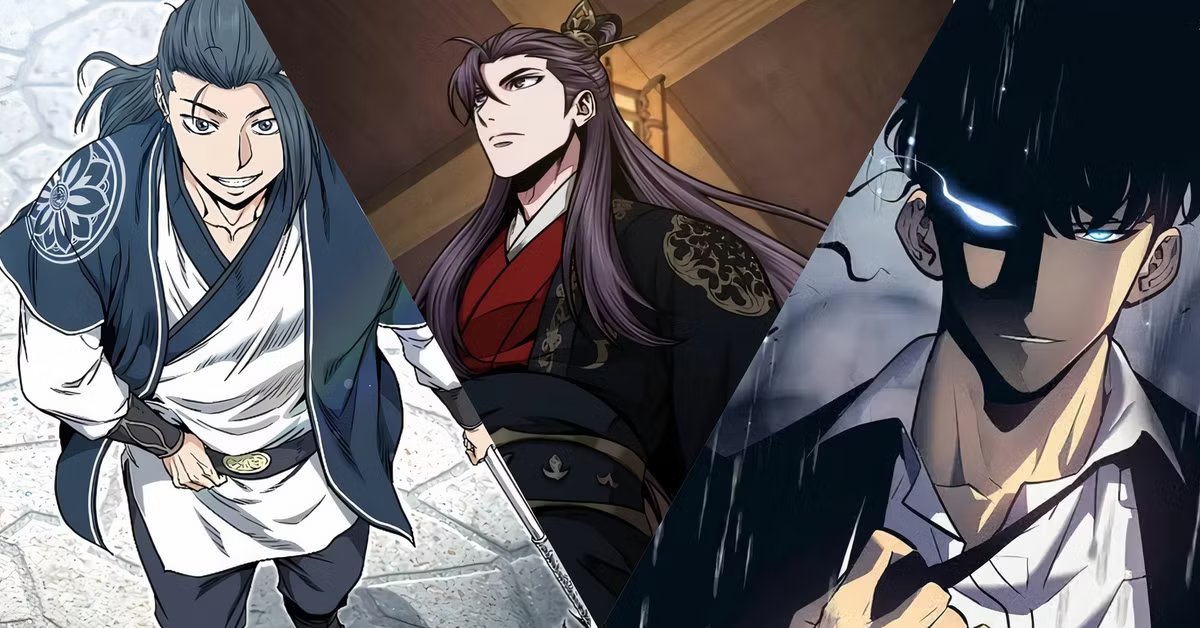
Something the guide doesn't mention is that Ragnarok introduces the term Awakeners alongside Hunters from the original. It's a small world-building detail but it shows the world has changed, not just the protagonist.
Started using it as a developer to handle boilerplate and setup. Saves me hours on every project. The audience here is not just non-technical founders, experienced developers are also quietly adopting this.
Genuinely one of the fastest product experiences I have ever had. Described a client project in a paragraph, had a demo-ready prototype in an afternoon. Client was impressed. Signed the contract. That is the whole story.
The image editing feature is useful but limited. Good for quick tweaks like adjusting an element or swapping a background. Not a replacement for actual design work. Treat it as convenience, not capability.
In a medium filled with talented artists producing stunning work, making a claim about any series having the "best" art feels bold. Yet Nano Machine consistently delivers combat sequences so fluid, detailed, and visually innovative that even readers who don't typically care about martial arts stories find themselves captivated by the sheer spectacle on display. The series combines traditional murim aesthetics with futuristic sci-fi elements, creating a unique visual identity that stands apart from typical cultivation manhwa. The nano machine implanted in protagonist Cheon Yeo-Woon's body doesn't just give him power. It becomes a storytelling device that allows the artist to visualize techniques, energy flows, and combat analysis in ways other series can't replicate.
While Synthesia leads in revenue, HeyGen leads in customer acquisition momentum with 152% year-over-year growth in mid-market adoption. That explosive growth rate allowed HeyGen to close much of the customer count gap by late 2025. The company is winning by making avatar video accessible to smaller teams and individual creators who cannot afford enterprise contracts but need professional video capabilities. HeyGen positioned itself for small and medium businesses, marketing teams, content creators, and solo entrepreneurs rather than enterprise learning and development departments. This market segment values affordability, ease of use, and creative flexibility over governance features and advanced integrations. Average contract values are roughly one-third of Synthesia's, reflecting this different customer profile.
Unpopular opinion but the abundance of AI avatar content is going to make human on-camera presence more valuable, not less. Scarcity increases value. If everyone has an avatar channel, the creator who actually shows up on screen stands out more.
Both companies are burning through cash at a pace that would bankrupt most Fortune 500 firms and we're all just nodding along like this is fine.
Genuinely, who do you think wins this? Not in terms of revenue right now but in five years when compute gets cheaper and model quality converges across everyone. What's the actual moat?
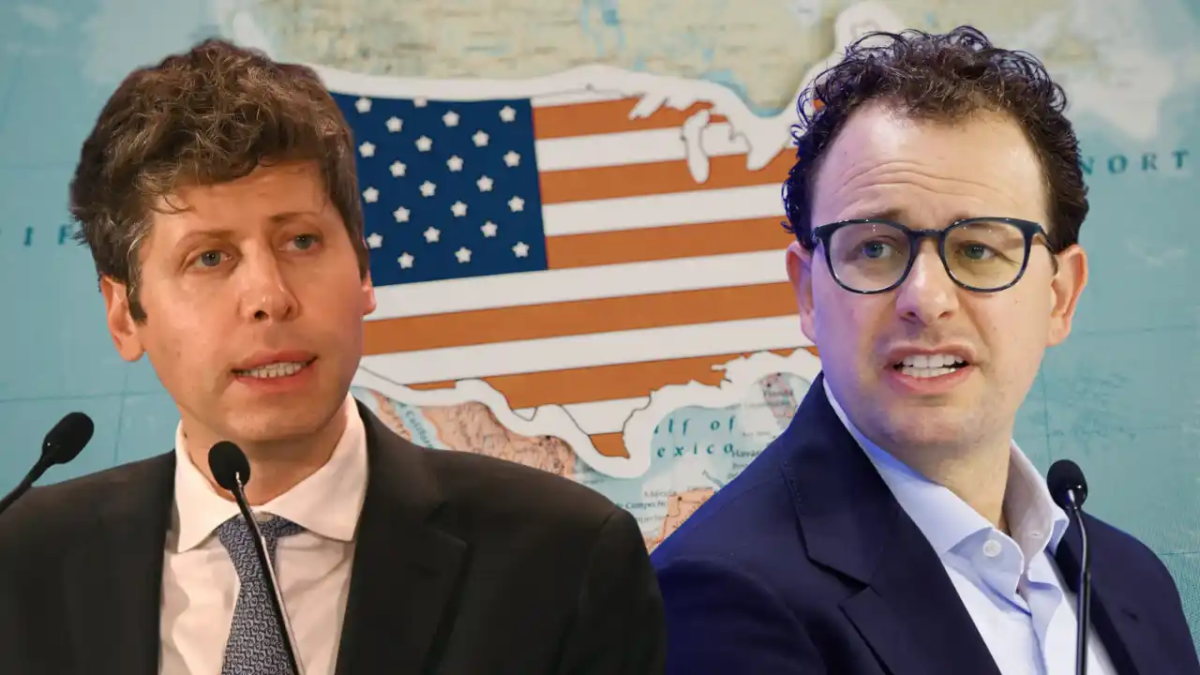
There's a photograph from February 2026 that pretty much sums up the state of AI right now. At the India AI Impact Summit in New Delhi, Indian Prime Minister Narendra Modi invited the world's tech leaders onstage for a group photo. Everyone held hands. Well, almost everyone. Sam Altman of OpenAI and Dario Amodei of Anthropic, standing right next to each other, refused to clasp hands and instead raised their fists separately. The internet, predictably, lost its mind. An awkward moment between OpenAI CEO Sam Altman and Anthropic CEO Dario Amodei at an AI Summit captured the increasingly icy relations between two rival tech leaders who started off as colleagues. That's not just petty drama. It's a window into what may be the most consequential corporate rivalry in the technology world right now, one that's playing out in boardrooms, courtrooms, Super Bowl ads, and billion-dollar compute deals all at once.
Honestly the 15 minute window is fine for fixing typos but it feels a little arbitrary. Why not 30? Why not an hour? Did someone at Meta just spin a wheel?
In a rare divergence from industry norms, TikTok has confirmed it will not adopt end-to-end encryption (E2EE) for direct messages, breaking with nearly every major social media platform and reigniting one of the tech industry's most contentious debates. The Chinese-owned video platform told the BBC exclusively that it believes the privacy technology championed by Meta, Apple, and others as essential for user protection actually makes users less safe by creating "dark spaces" where harmful content can flourish beyond the reach of safety teams and law enforcement. The decision puts TikTok in direct opposition to its competitors while potentially exposing the company to fresh criticism over data protection, particularly given ongoing concerns about its ties to Beijing.
Hot take: subscriptions are the wrong model for this entirely. Usage-based API pricing is how serious teams should be accessing these tools. Flat monthly caps are a consumer product design choice that does not translate well to professional workflows.
Join independent creators, thought leaders, and storytellers to share your unique perspectives, and spark meaningful conversations.