Is Jaafar Jackson a good actor or is he mostly just a good dancer who resembles his uncle? Genuinely asking because it matters for whether the dramatic scenes work.
15
Sign up to see more
SignupAlready a member?
LoginBy continuing, you agree to Sociomix's Terms of Service, Privacy Policy

Is Jaafar Jackson a good actor or is he mostly just a good dancer who resembles his uncle? Genuinely asking because it matters for whether the dramatic scenes work.
The series is ongoing with a solid chapter count already available so there is plenty to read before you catch up to the current release schedule.
The observation that Seongshik's modern sensibilities clash with the historical setting creates different tensions than in a pure period piece is understated in the article. A contemporary person who has also read the source material exists in double cultural displacement and that is a rich vein.
The BL (Boys' Love) genre has exploded in popularity over recent years, and isekai stories have dominated manhwa and manga for nearly a decade. Combining these elements seems like an obvious move, yet surprisingly few series have attempted it seriously. Shall I Write You A Love Letter, created by Nickup and Yutae and released on Lehzin in December 2025, takes the familiar otome isekai formula and transforms it into a compelling BL narrative that subverts expectations at every turn. Otome isekai typically features female protagonists transported into romance game worlds where they must navigate relationships with attractive male love interests. The formula has been refined through countless iterations to the point where readers can predict story beats from the first chapter. What makes Shall I Write You A Love Letter noteworthy is how it takes that established framework and examines it through a completely different lens, creating something that feels both familiar and refreshingly new.
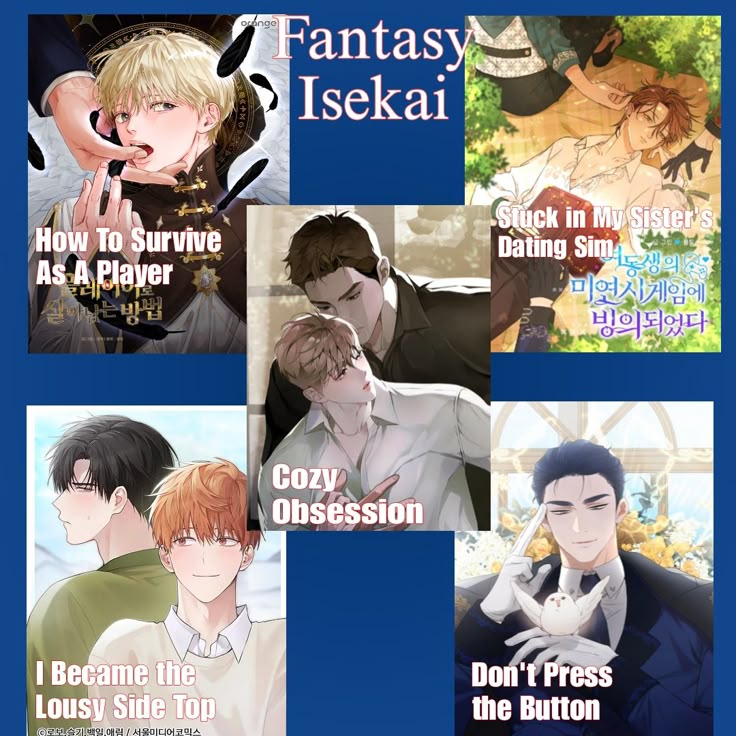
The article describes Omniscient Reader as regression-adjacent, which is technically accurate, but Kim Dokja carrying the knowledge of how the story ends while actively choosing to interfere functions exactly like regression memory on an emotional level.
Genuinely curious, does anyone else feel like the Regressor Instruction Manual is actually more fun to read than most stories where the actual regressor is the main character? Lee Kiyoung outsmarting someone who already has all the answers is kind of genius.
Second Life Ranker gets unfairly dismissed by readers who gave up in the middle chapters. The series goes through some pacing issues around the midpoint but the later arcs are some of the most ambitious storytelling in the entire genre.
The deepfake concern is real and I do not think the article addresses it seriously enough. Yes, they use paid actors and have consent protocols. But the same technology that makes your compliance video also makes synthetic propaganda, and that actor whose face ended up in Venezuelan government disinformation campaigns probably did not sign up for that.
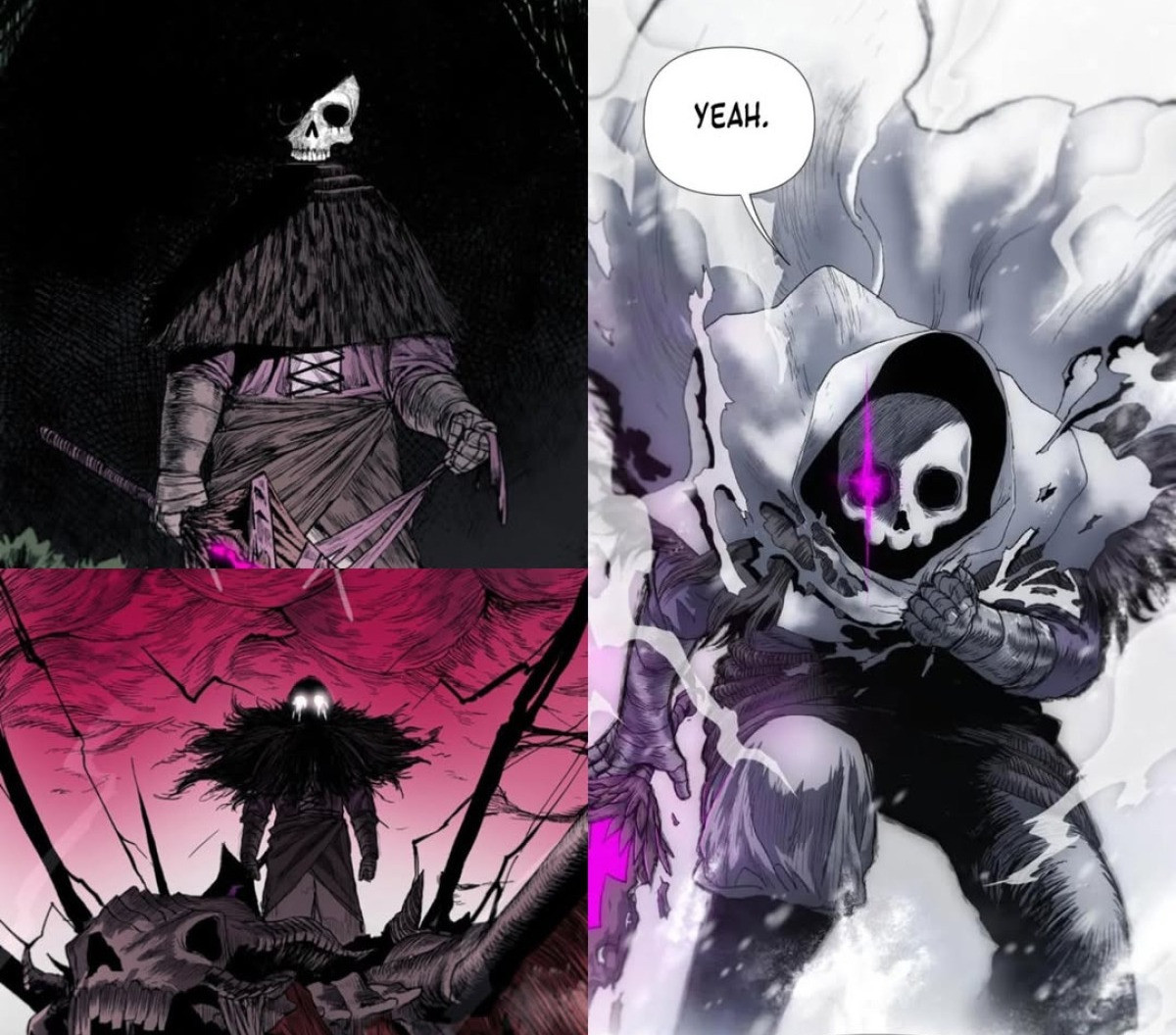
When a manhwa gets compared to Frieren: Beyond Journey's End but with a dark, bleak twist, expectations immediately rise. The Tale of the Skeleton Messenger, released on Webtoon in January 2026 by creators kain_y and SORAGAE, arrives with that exact premise and a tone that sets it apart from the increasingly crowded fantasy manhwa landscape. Most fantasy stories lean toward hopeful narratives where heroes overcome darkness through determination and friendship. Even dark fantasy typically offers glimmers of light and the possibility of triumph. The Tale of the Skeleton Messenger takes a different approach, embracing bleakness and melancholy in ways that feel refreshing rather than oppressive, thoughtful rather than nihilistic.
For short form content it works fine for basic cuts and captions but it is not optimized for the trend-responsive fast paced editing style that performs on Reels. There are more nimble tools for that specific use case.
When a company's revenue jumps from $10 million to $100 million in nine months, you pay attention. When that growth comes from an AI agent that builds entire applications autonomously, you realize something fundamental just changed in software development. Replit Agent represents that change, and the numbers prove developers are ready for it. Replit started as a browser-based coding environment for education. Students could write Python or JavaScript without installing anything locally. Teachers loved it because setup time vanished. But the company saw something bigger. If you could run code in the browser, why not let AI write that code? That question led to Agent 3, an AI that doesn't just suggest code completions. It builds entire applications from scratch.
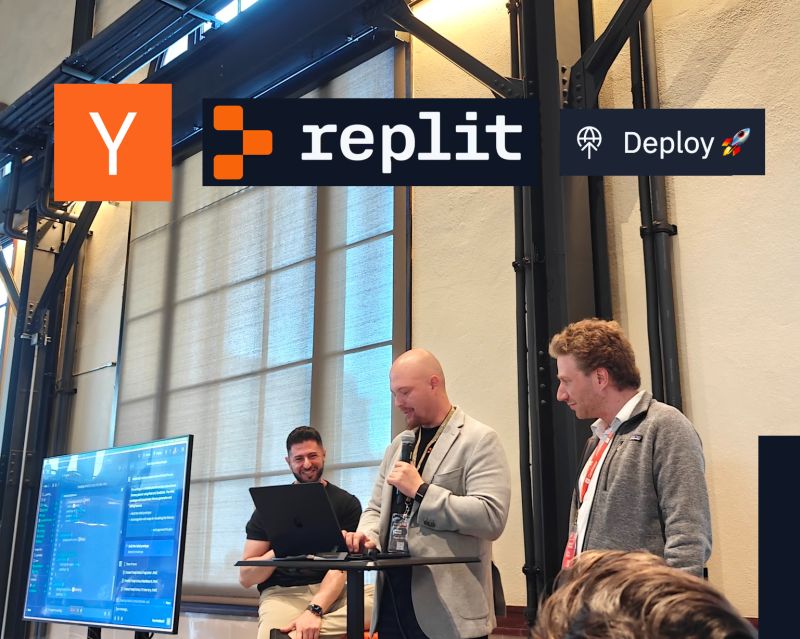
As someone who uses Replit for teaching, the educational angle getting overshadowed by the agent hype is kind of wild. This thing started as a tool to help beginners learn by writing code. Now it builds apps so beginners never have to write code. Not sure how I feel about that transition.
Speaking from experience working in cybersecurity policy, the problem with the safety argument is that you cannot build a backdoor only for the good guys. The same access that lets TikTok's safety team scan messages is the same access that gets exploited in a data breach.
Meta has just had one of its most important AI moments yet and the early signals are hard to ignore. Following the launch of its newest AI model Muse Spark, the company’s standalone Meta AI app surged dramatically in popularity, hinting at a much larger shift that is beginning to take shape. The release is particularly significant because it marks the first major AI model rollout under Alexandr Wang, who joined Meta to reboot its AI strategy. This is not just another incremental update. It represents a more aggressive and focused push into the AI race. According to data from Appfigures, Meta AI jumped from number 57 to number 5 on the U.S. App Store within a day of the launch. That kind of movement rarely happens without a strong underlying pull from users. It signals not curiosity but intent.
The revenue numbers for Claude Code are extraordinary but they are run-rate estimates not audited financials. Worth keeping in mind before treating $2.5 billion as a settled fact.
Social media managers just added a new line item to their workflows forever. Post comment, immediately reread for 15 minutes, fix anything, then move on. That is actually a healthier habit anyway.
Unpopular opinion: the pricing war is bad for developers long-term. When both companies are burning cash to compete on price, the cuts will eventually come somewhere and it is probably going to be usage limits.
In a rare divergence from industry norms, TikTok has confirmed it will not adopt end-to-end encryption (E2EE) for direct messages, breaking with nearly every major social media platform and reigniting one of the tech industry's most contentious debates. The Chinese-owned video platform told the BBC exclusively that it believes the privacy technology championed by Meta, Apple, and others as essential for user protection actually makes users less safe by creating "dark spaces" where harmful content can flourish beyond the reach of safety teams and law enforcement. The decision puts TikTok in direct opposition to its competitors while potentially exposing the company to fresh criticism over data protection, particularly given ongoing concerns about its ties to Beijing.
This look screams summer festival to me. Just add some cute ankle boots and you're good to go