The article's point about the GLP-1 effect normalizing biological optimization is one of the sharpest observations in here. It explains the speed of this trend better than anything else I've read.
0
Sign up to see more
SignupAlready a member?
LoginBy continuing, you agree to Sociomix's Terms of Service, Privacy Policy

The article's point about the GLP-1 effect normalizing biological optimization is one of the sharpest observations in here. It explains the speed of this trend better than anything else I've read.
How do I know if a brain health supplement is actually evidence based versus just marketing? The claims all start to sound the same.
Daily Pass is Webtoon's system where older chapters of ongoing series get locked and you can unlock one free chapter per day, or spend Coins to read ahead. For Copycat specifically the initial 10 chapters launched free so you have a window to catch up before any locking happens.
Reading this series as someone who lost someone important felt unexpectedly therapeutic in a strange way. The series takes grief seriously as something that changes you rather than something you overcome.
Yes, from everything being said the ending is considered strong and well earned. Definitely worth catching up.
The article describes Kim Dokja as resonating with anyone who ever felt like a side character in their own life and honestly that hit different than expected.
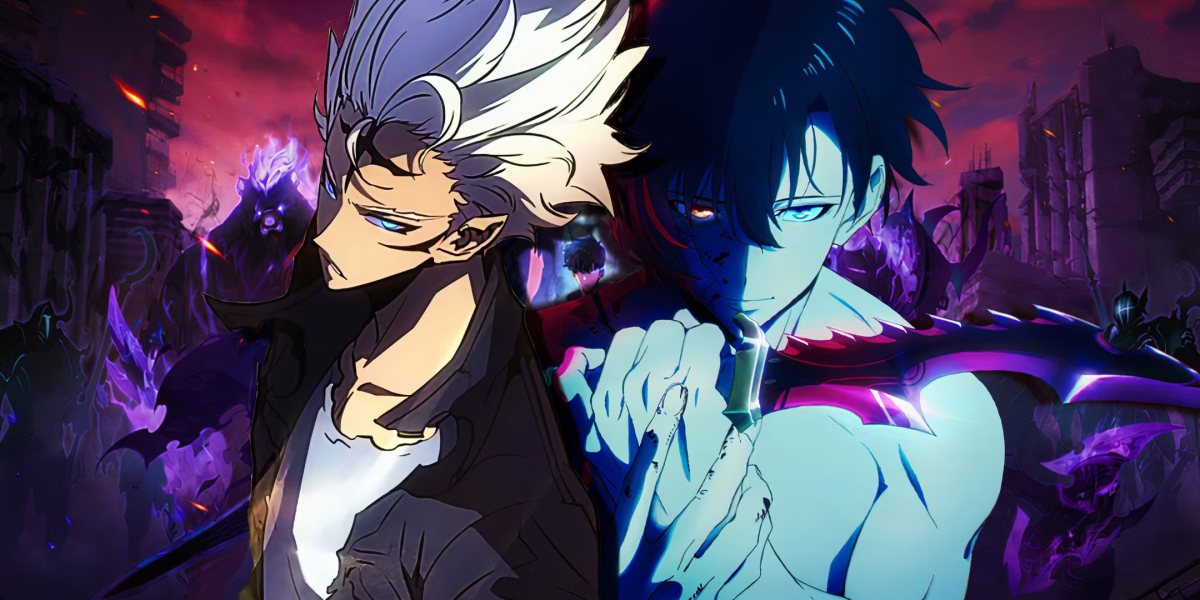
The manhwa world exploded when Solo Leveling first introduced us to Sung Jinwoo's journey from the weakest hunter to humanity's strongest defender. Now, Solo Leveling Ragnarok brings a fresh perspective to this beloved universe, and fans everywhere are asking the same questions. Can the sequel live up to the original? Do you need to read Solo Leveling first? What makes this continuation worth your time? This guide covers everything you need to know about Solo Leveling Ragnarok, whether you're a longtime fan or someone curious about jumping into the series Solo Leveling Ragnarok is not a reboot or alternate timeline. This is a direct sequel that continues the story years after the original series concluded. The protagonist shifts from Sung Jinwoo to his son, Sung Suho, who must forge his own path in a world still recovering from the catastrophic events his father prevented.
One thing nobody mentions: the transcript is searchable. When you have 200 episodes of a podcast you can search for any word or phrase and jump directly to that moment across your entire archive. That use case alone is worth the subscription.
The AI video generation race just got a clear winner. Runway Gen-4.5 topped the Video Arena leaderboard with a 1,247 Elo score, surpassing both Google Veo 3 and OpenAI Sora 2. For those unfamiliar with Elo ratings, this is the same system used to rank chess players and competitive games. A higher score means more wins in head-to-head comparisons. When real users compare videos side by side without knowing which AI generated them, they consistently choose Runway's output. Runway didn't start as an enterprise video tool. It began as a playground for artists and filmmakers who wanted to experiment with AI-generated visuals. The early versions produced fascinating but inconsistent results. Sometimes you'd get stunning cinematic footage. Other times you'd get distorted motion and unrealistic physics. Gen-4.5 changed that equation by achieving breakthrough consistency in motion quality and physical accuracy.
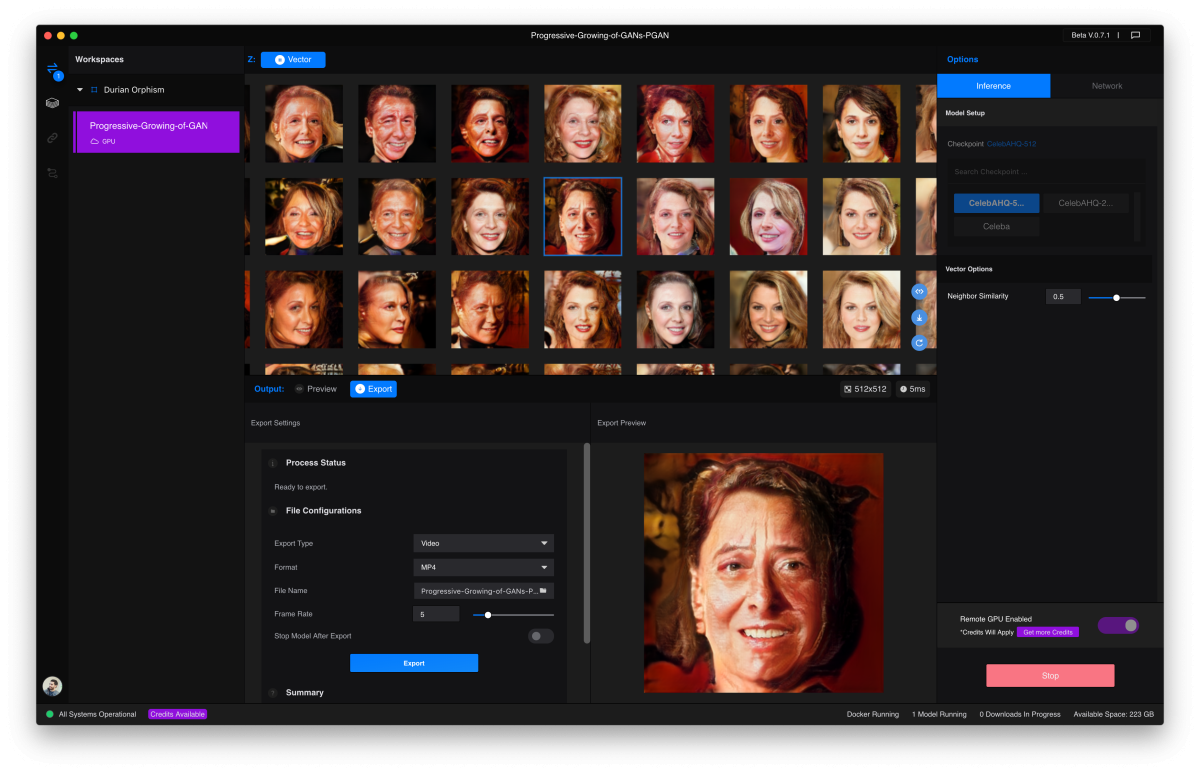
The designer-developer relationship has been tense for decades. Designers create pixel-perfect mockups in Figma. Developers translate them to code and somehow everything looks slightly wrong. Fonts don't match. Spacing is inconsistent. Buttons have different corner radiuses. Both sides get frustrated, blame each other, and the product suffers. V0 by Vercel is fixing this problem by generating production-quality React components that look exactly like the designs. The rebrand from v0.dev to v0.app in January 2026 signaled expanded ambitions beyond just UI component generation. Vercel positioned the tool for full-stack web development, though its core strength remains frontend excellence. That strategic clarity matters because trying to be everything often means excelling at nothing. V0 chose to dominate the handoff between design and code before expanding into other areas.
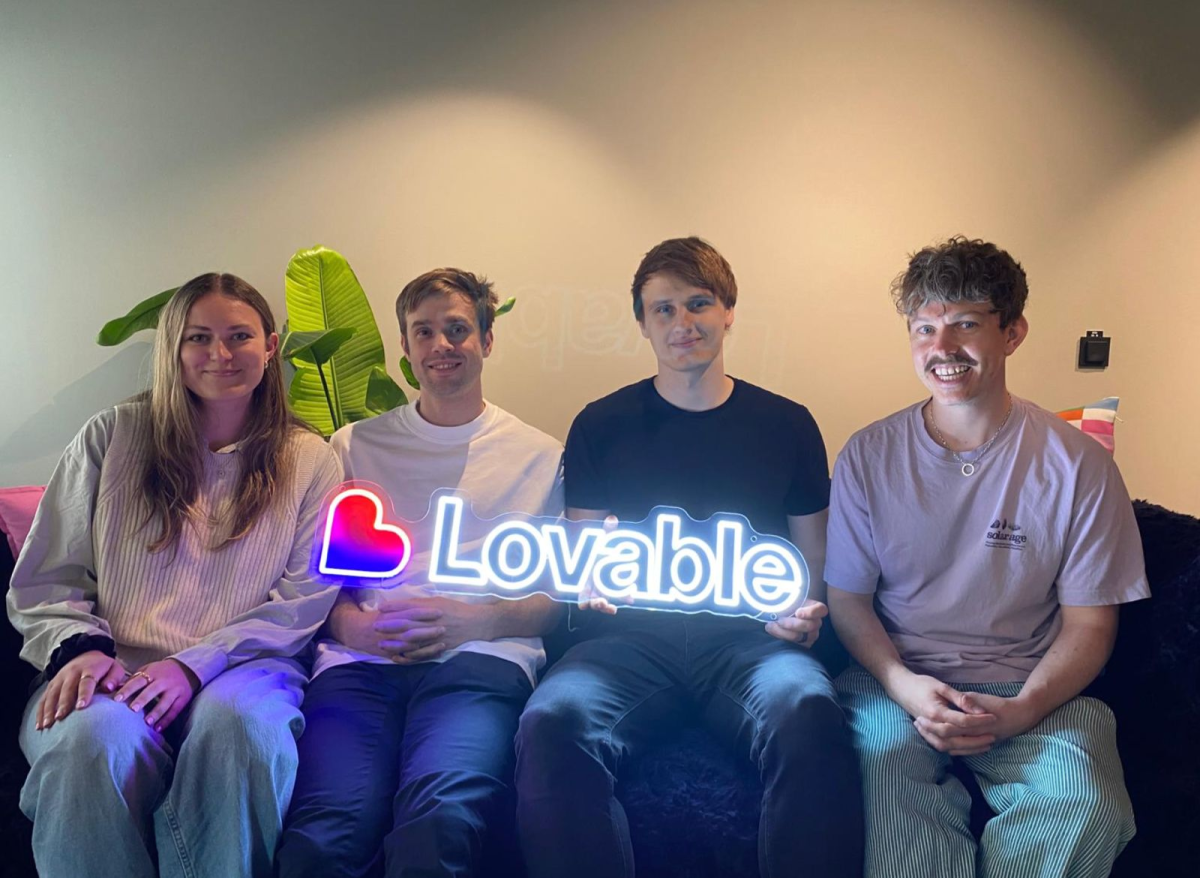
The software development world just witnessed something unprecedented. A European startup called Lovable reached $20 million in annual recurring revenue in just two months, making it potentially the fastest-growing startup in European history. But here's the twist that's making traditional software agencies nervous: they did it by giving non-technical founders the power to build full-stack applications without writing a single line of code. For years, the promise of no-code tools has been the same: anyone can build an app. But the reality has always been different. You'd create a beautiful frontend, get excited about your progress, and then hit the technical cliff. Suddenly you needed to configure databases, set up authentication, manage API keys, and deploy to servers. The "no-code" dream became a "hire-a-developer-anyway" nightmare.
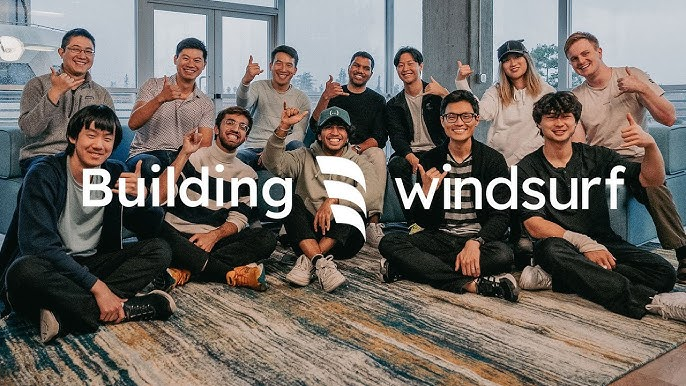
Developers have a new anxiety in 2026: token anxiety. You're in the middle of debugging a complex problem, the AI is helping you refactor three files simultaneously, and suddenly you wonder if this session is about to cost you $50. That mental tax slows you down and makes you second-guess using the tool you're paying for. Windsurf eliminated that anxiety with a simple decision: flat monthly pricing with no token limits. Fifteen dollars per month. Unlimited usage. No tracking credits or calculating costs per query. That pricing model sounds almost boring compared to the complex token systems other AI coding tools use, but boring is exactly what professional developers want when it comes to pricing. They want predictable costs and unlimited usage so they can focus on writing code instead of budgeting AI queries.
As someone who works in finance and is watching both IPO preparations closely, the question nobody is asking enough is what percentage of Anthropic's ARR reflects cloud credits from Amazon and Google versus actual cash revenue. That distinction will matter enormously in the S-1.
Five tiers is not a product strategy. It is a symptom of not knowing what developers actually want.
Yes, they committed explicitly to publishing within 90 days. Between the public disclosure requirement and the findings-sharing mandate for partners, there is actually more transparency baked into this than most enterprise security programs deliver.
Muse Spark being the first in the Muse series with larger models already in development tells you the real bet is on what comes next, not this release. This is validation of the architecture, not the final destination.
Wait, what about smaller companies that also run critical infrastructure? A 50-person fintech running legacy code is not getting access to this, but they are just as vulnerable as anyone on the partner list.
The block heel height looks so practical for dancing. Nothing worse than having to take your shoes off halfway through the night!
My leather skirt is my best investment piece. Three years later and it still looks brand new. Worth every penny!