What other series even comes close to this premise right now? Kingdom building manhwa exist but none of them treat construction itself as the main event the way TGED does.
14
Sign up to see more
SignupAlready a member?
LoginBy continuing, you agree to Sociomix's Terms of Service, Privacy Policy

What other series even comes close to this premise right now? Kingdom building manhwa exist but none of them treat construction itself as the main event the way TGED does.
Thirty thousand subscribers in the first weeks of the Webtoon release is a healthy start for a new series. Not explosive but very solid for the genre.
Speaking from experience reading long-form web serials, the transition from 3000 plus chapters of source material to even a generous anime runtime requires brutal editorial choices. What gets cut will define the adaptation more than what stays.
Anyone who finds the typical regression formula too repetitive should start with Regressor Instruction Manual specifically because it inverts the expected protagonist role and the entire dynamic changes as a result.
The Gen-4 Turbo option for rapid iteration is underrated in this writeup. When you are testing a dozen different concept directions, speed matters more than peak quality. Turbo lets you find the right direction before committing to a full render.
The deepfake concern is real and I do not think the article addresses it seriously enough. Yes, they use paid actors and have consent protocols. But the same technology that makes your compliance video also makes synthetic propaganda, and that actor whose face ended up in Venezuelan government disinformation campaigns probably did not sign up for that.
When Tomb Raider King first exploded onto the manhwa scene, it brought a fresh take on dungeon crawling stories by combining archaeological adventure with ruthless protagonist energy and a treasure-hunting premise that felt genuinely different from typical gate and dungeon narratives. The series built a dedicated fanbase through its satisfying blend of historical artifact powers, strategic relic acquisition, and a protagonist who wasn't afraid to be morally gray in pursuit of his goals. Now, with the anime adaptation confirmed for 2026 as one of the most anticipated manhwa-to-anime projects, Tomb Raider King is experiencing a resurgence. New readers are discovering the series while longtime fans eagerly await seeing Jooheon Suh's relic-hunting adventures brought to life with animation. The timing couldn't be better, as the series has built enough content to support a substantial adaptation while maintaining momentum in its ongoing storyline.
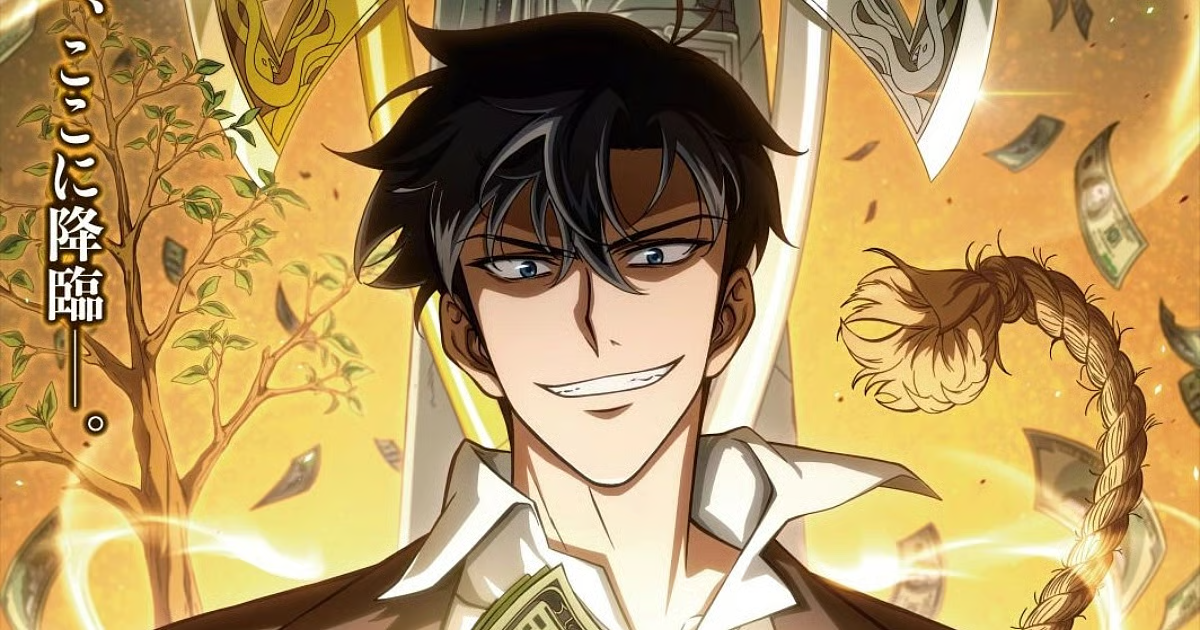
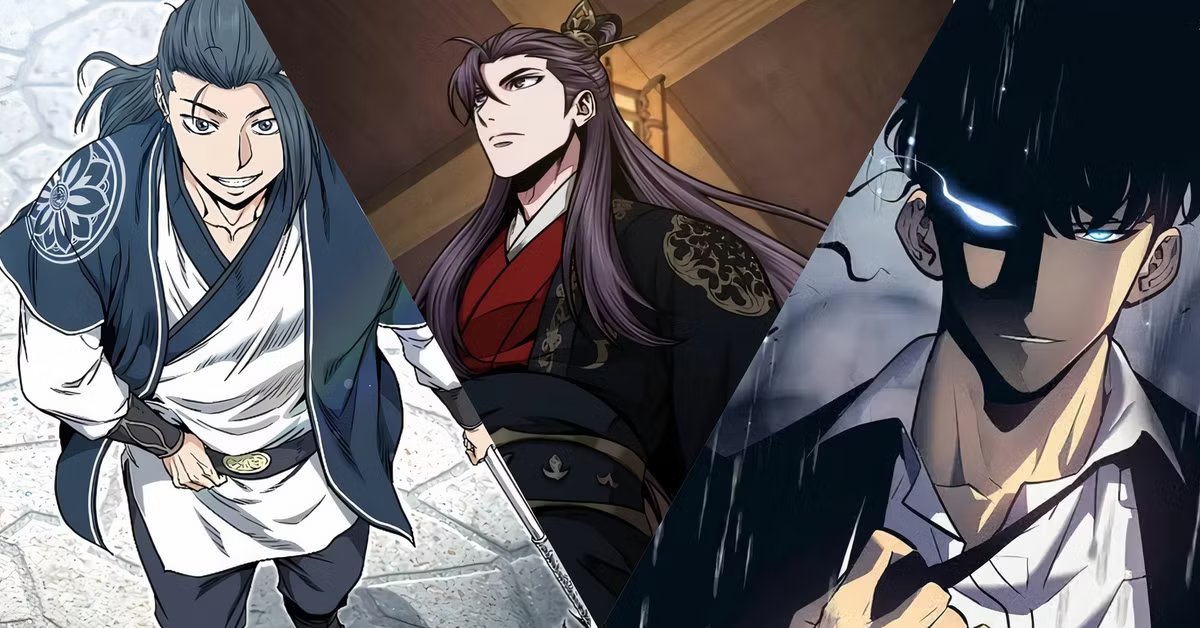
In a medium filled with talented artists producing stunning work, making a claim about any series having the "best" art feels bold. Yet Nano Machine consistently delivers combat sequences so fluid, detailed, and visually innovative that even readers who don't typically care about martial arts stories find themselves captivated by the sheer spectacle on display. The series combines traditional murim aesthetics with futuristic sci-fi elements, creating a unique visual identity that stands apart from typical cultivation manhwa. The nano machine implanted in protagonist Cheon Yeo-Woon's body doesn't just give him power. It becomes a storytelling device that allows the artist to visualize techniques, energy flows, and combat analysis in ways other series can't replicate.
The freemium to paid conversion path described here is textbook product-led growth done right. Let the product prove itself before asking for money. The best SaaS companies have always known this.
The fact that small errors do not require complete retakes anymore genuinely changes the economics of recording. That point in the article about recording confidence is real. It changed how I script and prepare.
The collaboration workspace is genuinely where Runway separates from tools that are just generation engines. Iteration and feedback loops between team members is where production time actually lives.
Every AI company is claiming their model reasons deeply and handles complex domains. The part that will actually differentiate Meta is whether the experience inside WhatsApp and Instagram becomes noticeably smarter in the next sixty days. That is the real test.
Genuinely curious, does restricting Mythos to a vetted partner list actually hold up once competing models reach similar capability? Seems like a finite window of control at best.
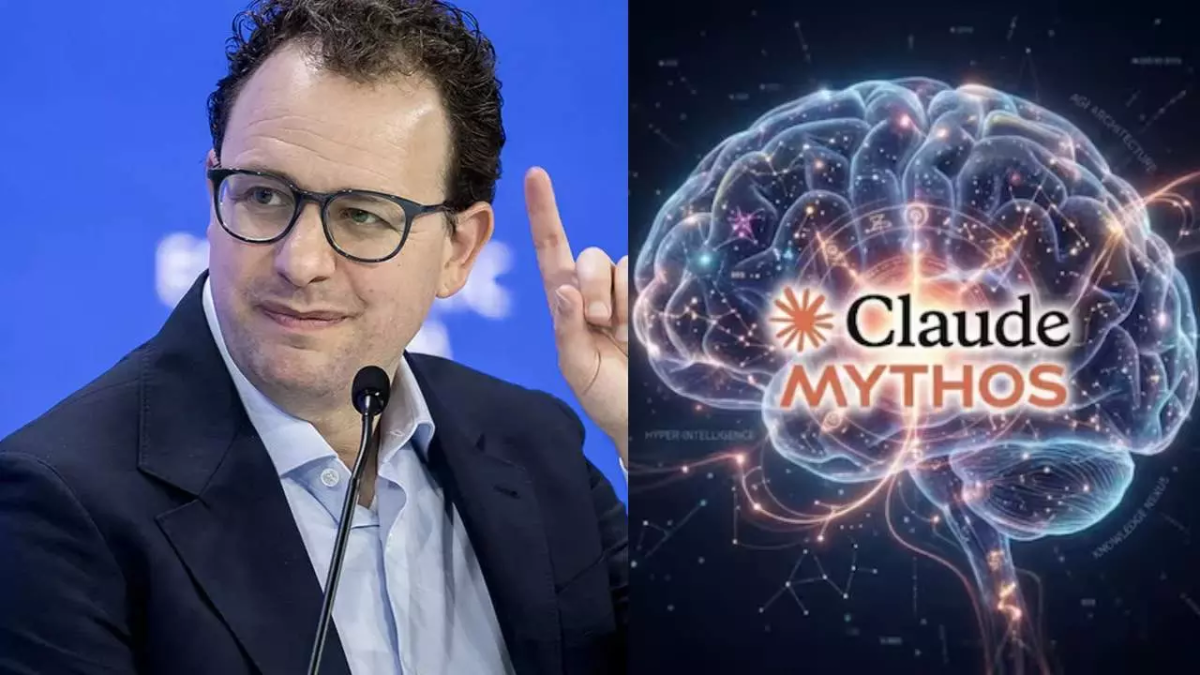
Anthropic on Tuesday unveiled an advanced artificial intelligence model designed specifically to identify software vulnerabilities, marking a significant development in the intersection of AI and cybersecurity. The model, named Claude Mythos Preview, will be available exclusively to a carefully selected group of companies as part of Project Glasswing, a new security initiative that aims to strengthen digital defenses while preventing malicious exploitation. The San Francisco based AI company has chosen to severely restrict access to Claude Mythos Preview due to its powerful capability to detect security weaknesses and software flaws. This decision reflects growing concerns about dual use AI technologies that could be weaponized by adversaries if they fell into the wrong hands.
The article is correct that this will be seen as either ahead of its time or a costly mistake. My bet is the latter. Privacy expectations among younger users are going up not down, and TikTok's core demographic is going to age into being much more privacy-conscious.
The whole situation highlights something underappreciated: we are in the middle of a massive reordering of who controls the foundational infrastructure of AI. The companies that control compute at scale will have structural advantages that compound over time.
The OpenBSD bug allowed a remote attacker to crash any machine running the OS just by connecting to it. That is not a minor edge case vulnerability. That is foundational and it sat there for nearly three decades.
In a rare divergence from industry norms, TikTok has confirmed it will not adopt end-to-end encryption (E2EE) for direct messages, breaking with nearly every major social media platform and reigniting one of the tech industry's most contentious debates. The Chinese-owned video platform told the BBC exclusively that it believes the privacy technology championed by Meta, Apple, and others as essential for user protection actually makes users less safe by creating "dark spaces" where harmful content can flourish beyond the reach of safety teams and law enforcement. The decision puts TikTok in direct opposition to its competitors while potentially exposing the company to fresh criticism over data protection, particularly given ongoing concerns about its ties to Beijing.