The point about environmental destruction persisting across a fight is huge and I never consciously noticed it until this article pointed it out. Once you see it you cannot unsee it.
12
Sign up to see more
SignupAlready a member?
LoginBy continuing, you agree to Sociomix's Terms of Service, Privacy Policy

The point about environmental destruction persisting across a fight is huge and I never consciously noticed it until this article pointed it out. Once you see it you cannot unsee it.
The article's point about emotional context changing fight depiction is the most important one and the least obvious. A duel for honor and a survival fight should not look the same and in most series they do.
The devil's advocate take here is that a lot of what this article praises as innovative is pretty common in light novel and web novel spaces if you read widely. The novelty is more about bringing it to manhwa format accessibly.
ufotable being rumored as the animation studio is the detail that would send me completely over the edge. Their particle effects and fluid motion for something like the constellation scenarios would be unreal.
The biological manipulation visualization is so unsettling in the best possible way. Seeing the nano machine adjust Cheon Yeo-Woon at a microscopic level during fights creates this sense of alien precision that nothing else in murim does.
Started manhwa because the Solo Leveling anime made me impatient waiting for season 3 and now I have twelve series on my reading list. This genre is a trap in the best possible way.
Genuinely impressed the article included Seoul Station's Necromancer. Most beginner guides pretend the darker, morally ambiguous system manhwa don't exist and that's a disservice to readers who would actually prefer them.
In a medium filled with talented artists producing stunning work, making a claim about any series having the "best" art feels bold. Yet Nano Machine consistently delivers combat sequences so fluid, detailed, and visually innovative that even readers who don't typically care about martial arts stories find themselves captivated by the sheer spectacle on display. The series combines traditional murim aesthetics with futuristic sci-fi elements, creating a unique visual identity that stands apart from typical cultivation manhwa. The nano machine implanted in protagonist Cheon Yeo-Woon's body doesn't just give him power. It becomes a storytelling device that allows the artist to visualize techniques, energy flows, and combat analysis in ways other series can't replicate.

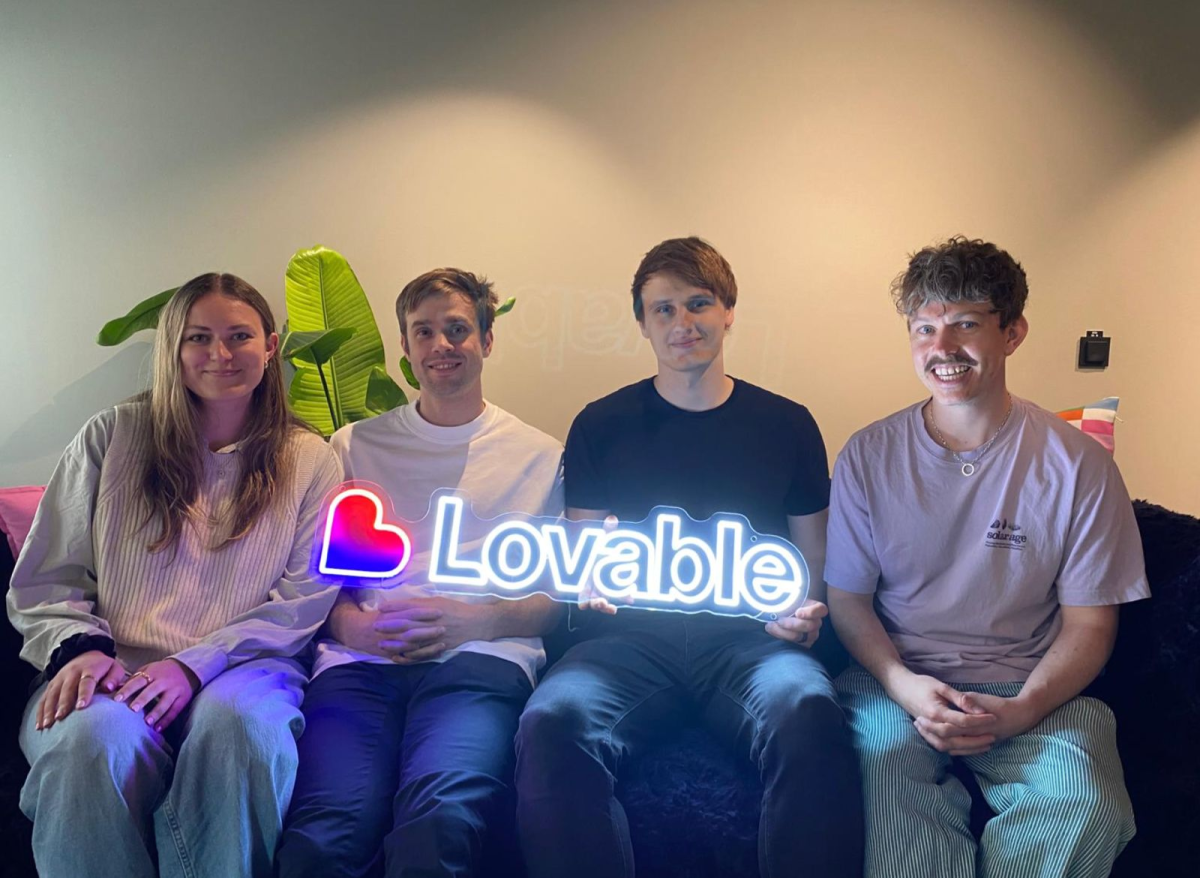
The software development world just witnessed something unprecedented. A European startup called Lovable reached $20 million in annual recurring revenue in just two months, making it potentially the fastest-growing startup in European history. But here's the twist that's making traditional software agencies nervous: they did it by giving non-technical founders the power to build full-stack applications without writing a single line of code. For years, the promise of no-code tools has been the same: anyone can build an app. But the reality has always been different. You'd create a beautiful frontend, get excited about your progress, and then hit the technical cliff. Suddenly you needed to configure databases, set up authentication, manage API keys, and deploy to servers. The "no-code" dream became a "hire-a-developer-anyway" nightmare.
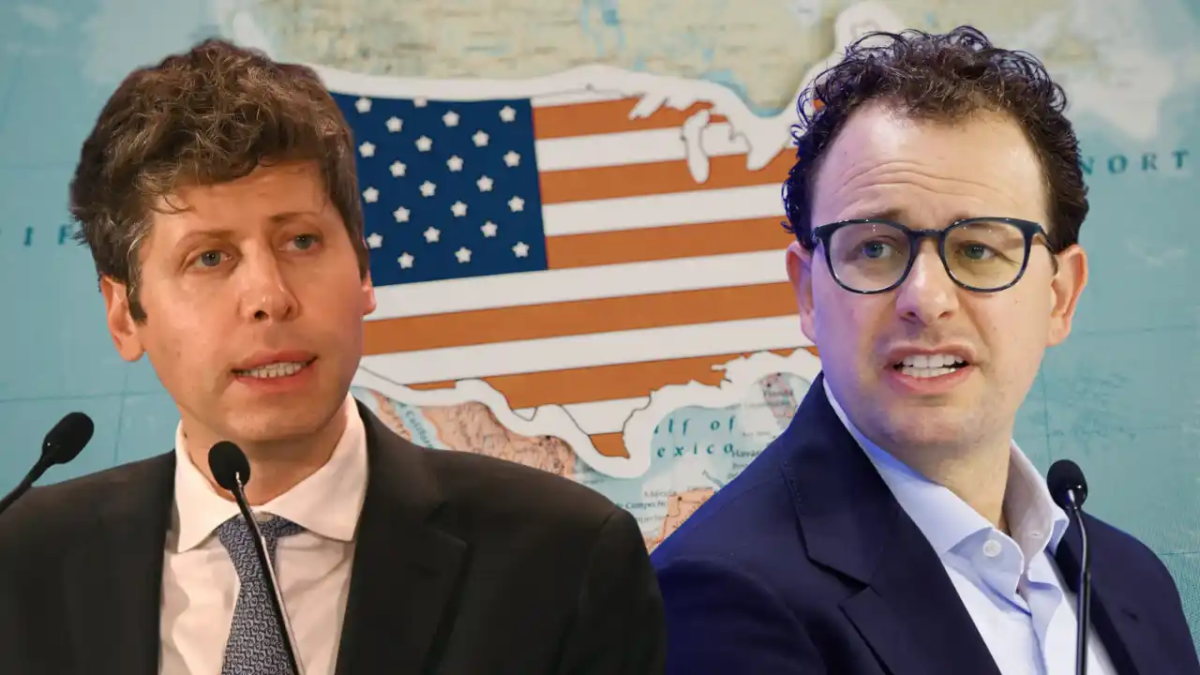
There's a photograph from February 2026 that pretty much sums up the state of AI right now. At the India AI Impact Summit in New Delhi, Indian Prime Minister Narendra Modi invited the world's tech leaders onstage for a group photo. Everyone held hands. Well, almost everyone. Sam Altman of OpenAI and Dario Amodei of Anthropic, standing right next to each other, refused to clasp hands and instead raised their fists separately. The internet, predictably, lost its mind. An awkward moment between OpenAI CEO Sam Altman and Anthropic CEO Dario Amodei at an AI Summit captured the increasingly icy relations between two rival tech leaders who started off as colleagues. That's not just petty drama. It's a window into what may be the most consequential corporate rivalry in the technology world right now, one that's playing out in boardrooms, courtrooms, Super Bowl ads, and billion-dollar compute deals all at once.
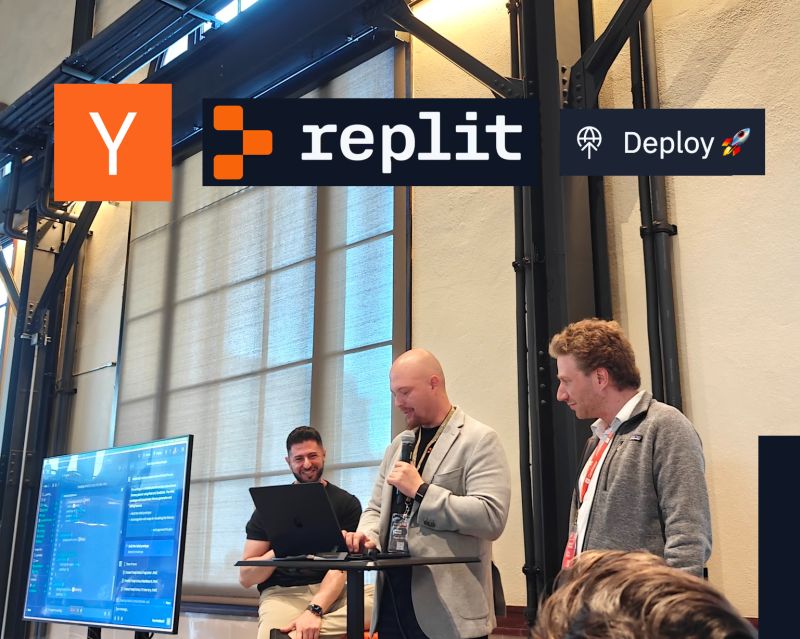
When a company's revenue jumps from $10 million to $100 million in nine months, you pay attention. When that growth comes from an AI agent that builds entire applications autonomously, you realize something fundamental just changed in software development. Replit Agent represents that change, and the numbers prove developers are ready for it. Replit started as a browser-based coding environment for education. Students could write Python or JavaScript without installing anything locally. Teachers loved it because setup time vanished. But the company saw something bigger. If you could run code in the browser, why not let AI write that code? That question led to Agent 3, an AI that doesn't just suggest code completions. It builds entire applications from scratch.
The coding gap is a real limitation that the article glossed over. Muse Spark trailing the leaders on coding workflows is significant because developers are both the most influential early adopters and the people most likely to build on your platform. Losing that audience to OpenAI or Anthropic has downstream consequences.
The article mentions that Meta's advantage is not just the model but the network. That is genuinely true and genuinely underappreciated. The marginal cost of adding AI to a platform where people already spend hours a day is essentially zero. You are not acquiring users. You are activating them.
Meta has just had one of its most important AI moments yet and the early signals are hard to ignore. Following the launch of its newest AI model Muse Spark, the company’s standalone Meta AI app surged dramatically in popularity, hinting at a much larger shift that is beginning to take shape. The release is particularly significant because it marks the first major AI model rollout under Alexandr Wang, who joined Meta to reboot its AI strategy. This is not just another incremental update. It represents a more aggressive and focused push into the AI race. According to data from Appfigures, Meta AI jumped from number 57 to number 5 on the U.S. App Store within a day of the launch. That kind of movement rarely happens without a strong underlying pull from users. It signals not curiosity but intent.
Demna built Balenciaga into a cultural juggernaut through chaos and provocation. Piccioli is coming in with quiet elegance. Whether that works commercially is the real question nobody is asking.
Anyone else saving this for fall inspiration? The layering possibilities are endless!