Does creatine monohydrate actually help with brain function or is that just gym culture bleeding into nootropics discourse?
18
Sign up to see more
SignupAlready a member?
LoginBy continuing, you agree to Sociomix's Terms of Service, Privacy Policy

Does creatine monohydrate actually help with brain function or is that just gym culture bleeding into nootropics discourse?
A lot, apparently. The original vision was closer to four hours and Lionsgate considered releasing it as two separate films. What ended up in theaters is reportedly the compressed version plus a completely new ending that was bolted on after the reshoots. The pacing issues critics keep mentioning make a lot more sense in that context.
As someone who has moved cities six times in ten years, the theme of witnessing lives without being able to stay in them hit me in a very personal way I was not expecting from a manhwa.
The explanation of dramatic irony in this article is actually the clearest description of why watching villains act friendly before their betrayals creates such unique tension. You are waiting for something you know is coming and cannot stop.
The manhwa community has been buzzing with anticipation ever since MAPPA Studio announced their adaptation of Omniscient Reader's Viewpoint. With a spring 2026 release date confirmed and 24 episodes planned for the first season, this adaptation represents one of the most ambitious manhwa-to-anime projects ever undertaken. But what makes this series so special that it warranted such a massive production commitment? If you're hearing about Omniscient Reader's Viewpoint for the first time or wondering whether the hype is justified, this guide will prepare you for what promises to be one of the biggest anime releases of the year. We'll cover the story premise, why it's captured millions of readers worldwide, what MAPPA's involvement means, and everything else you need to know before the first episode airs

As someone who reads a lot of murim manhwa, the challenge facing Gosu is real. The cultural context around sect hierarchies and cultivation systems is something anime-only viewers are going to need help with.
The regression subgenre has exploded in popularity over the past few years, becoming one of the most beloved narrative frameworks in Korean manhwa. The core premise is deceptively simple: a protagonist dies or fails catastrophically, then returns to an earlier point in time with their memories intact. Armed with future knowledge, they get a second chance to change their fate, save loved ones, gain power, or pursue revenge against those who wronged them. What makes regression stories so compelling is the combination of dramatic irony, strategic satisfaction, and emotional depth they provide. Readers know what the protagonist knows, creating tension when other characters make mistakes we can see coming. We feel smart alongside protagonists who use foreknowledge to outmaneuver enemies. And we experience the emotional weight of carrying memories of futures that haven't happened yet, of people who died who are currently alive, of betrayals that haven't occurred.

Just want to say the personalization at scale use case is genuinely underrated. Sending personalized video messages to thousands of customers for birthdays or follow-ups was a white-glove, high-cost service before. Now it is a flow in a CRM.
While Synthesia leads in revenue, HeyGen leads in customer acquisition momentum with 152% year-over-year growth in mid-market adoption. That explosive growth rate allowed HeyGen to close much of the customer count gap by late 2025. The company is winning by making avatar video accessible to smaller teams and individual creators who cannot afford enterprise contracts but need professional video capabilities. HeyGen positioned itself for small and medium businesses, marketing teams, content creators, and solo entrepreneurs rather than enterprise learning and development departments. This market segment values affordability, ease of use, and creative flexibility over governance features and advanced integrations. Average contract values are roughly one-third of Synthesia's, reflecting this different customer profile.
Casual user here. Downloaded it, played with it for an hour, then went back to Claude. The UI feels very Facebook-brained if that makes sense. Like it was designed by people whose primary mental model is a social media feed rather than a thinking tool.
Interesting that the article did not mention Anthropic's competing moves this same week. The frontier is not pausing while Meta celebrates a ranking spike. The competitive pressure is relentless.
Not gonna lie, I added to my position around $68K last week purely because the funding rates were screaming short squeeze incoming. Nice when the thesis plays out.
The cynic in me thinks TikTok did the math and realized that child safety is the one argument that makes people stop asking follow-up questions. It is an emotionally effective shield.
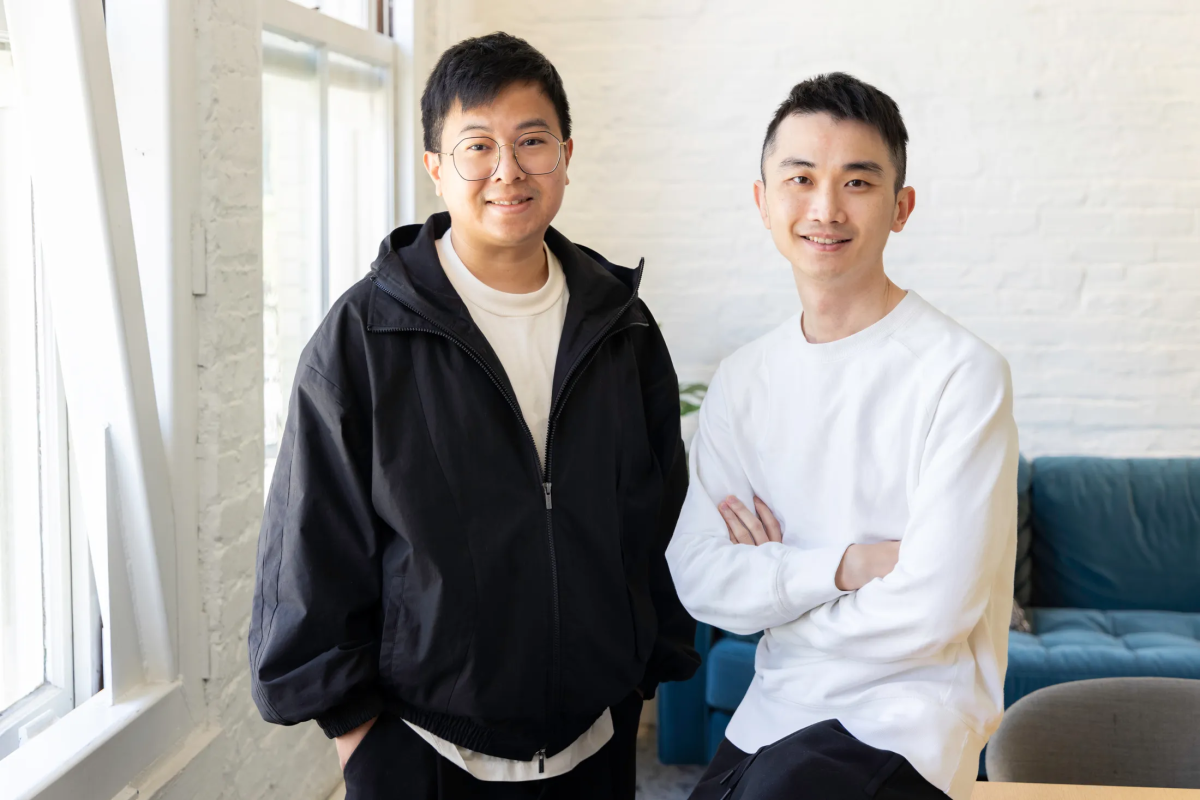
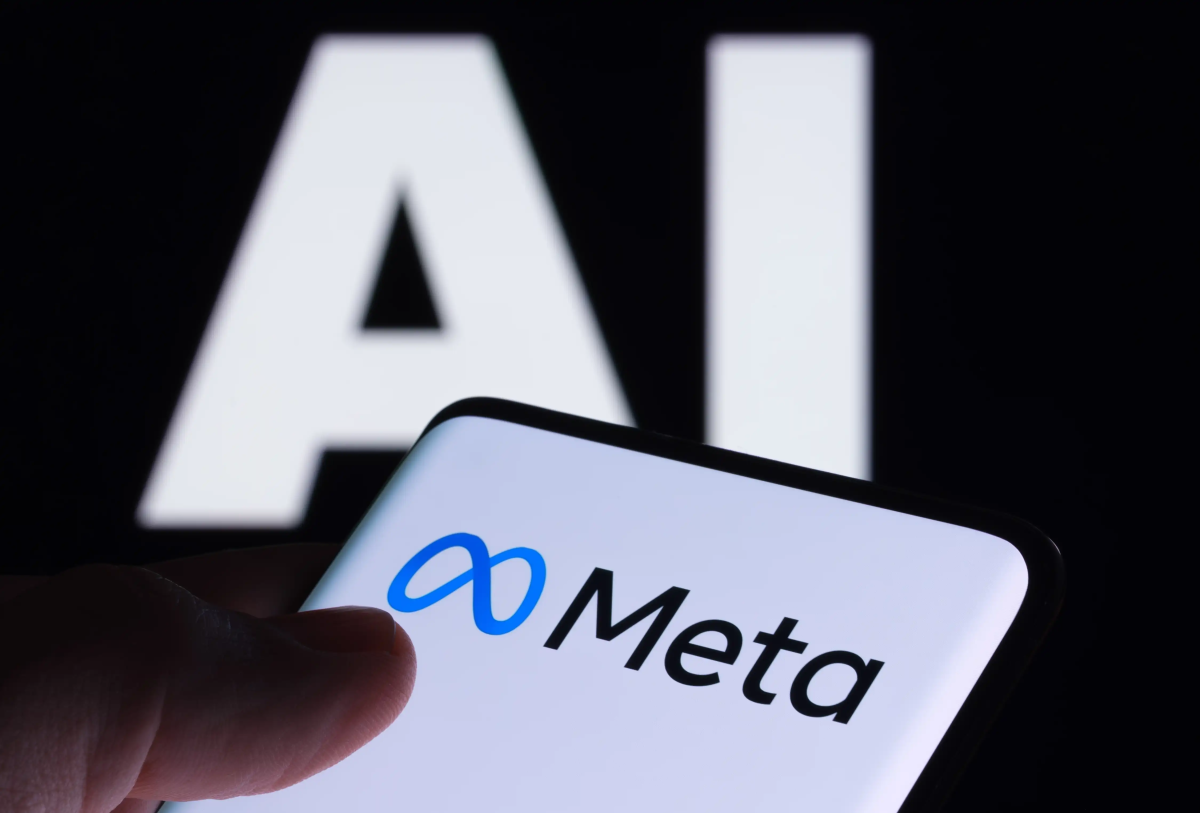
Meta has just had one of its most important AI moments yet and the early signals are hard to ignore. Following the launch of its newest AI model Muse Spark, the company’s standalone Meta AI app surged dramatically in popularity, hinting at a much larger shift that is beginning to take shape. The release is particularly significant because it marks the first major AI model rollout under Alexandr Wang, who joined Meta to reboot its AI strategy. This is not just another incremental update. It represents a more aggressive and focused push into the AI race. According to data from Appfigures, Meta AI jumped from number 57 to number 5 on the U.S. App Store within a day of the launch. That kind of movement rarely happens without a strong underlying pull from users. It signals not curiosity but intent.
The article is correct that this will be seen as either ahead of its time or a costly mistake. My bet is the latter. Privacy expectations among younger users are going up not down, and TikTok's core demographic is going to age into being much more privacy-conscious.
The whole situation highlights something underappreciated: we are in the middle of a massive reordering of who controls the foundational infrastructure of AI. The companies that control compute at scale will have structural advantages that compound over time.
The article is pretty fair but I think it undersells how much the ByteDance ownership structure matters. Yes, TikTok US operations are technically separate now, but ByteDance retains a significant ownership stake and continues to run TikTok internationally. The legal exposure is real.
When you hear “Paris Fashion Week,” your mind races to haute couture, bold statements, and the world’s most glamorous attendees. But on October 4, 2025, the scene got a surprise guest—Meghan Markle, making what might be her most talked-about entrance yet. To call it a “debut” feels almost too neat, as if she’s stepping into a world she’s never touched. Yet, Meghan’s gradual evolution as a style influencer has been anything but accidental. Her Paris moment isn’t just celebrity spectacle; it’s a statement, a pivot, and a nuanced step into a new chapter. Here’s my take on why this matters.