The point about carbohydrate-heavy meals feeling energizing at lunch but causing bloating at 9 pm resonates completely. I thought I had a carb intolerance for years. Turns out I had a timing issue.
7
Sign up to see more
SignupAlready a member?
LoginBy continuing, you agree to Sociomix's Terms of Service, Privacy Policy

The point about carbohydrate-heavy meals feeling energizing at lunch but causing bloating at 9 pm resonates completely. I thought I had a carb intolerance for years. Turns out I had a timing issue.
The casting process described here, two years, a global search, no formal auditions, starting with a voice note, is genuinely unlike anything I have read about a major studio production. Hollywood usually works in very specific ways and this broke almost every convention.
Very much connected. The estate's involvement in both situations is not a coincidence.
As a long-time Bastard reader, I was slightly nervous about Copycat because sometimes creators peak and then coast. Ten chapters in I can confirm this is absolutely not coasting. Kim seems genuinely energized by this premise.
Entry-level datacenter technician roles in most US markets are landing between 55k and 75k right now, with senior ops roles clearing 110k to 130k fairly routinely. And those numbers are trending upward because of the shortage.
In a manhwa landscape dominated by dungeon crawling, regression narratives, and power fantasies, The Greatest Estate Developer stands out by asking a simple question: what if the protagonist's greatest weapon wasn't a sword or magic system, but civil engineering knowledge? This bizarre premise transforms into one of the most entertaining, genuinely funny, and surprisingly heartfelt series currently running, proving that innovation in storytelling comes from unexpected places. The series takes the familiar isekai setup where a modern person finds themselves in a fantasy world and completely subverts expectations. Instead of becoming an adventurer or hero, protagonist Kim Suho uses his engineering knowledge to revolutionize construction, infrastructure, and economic development. What sounds like it should be boring becomes absolutely captivating through sharp writing, excellent comedic timing, and genuine passion for showing how infrastructure improves lives.

The BL genre expanding into isekai seriously rather than as parody or novelty is part of a broader maturation of the genre that has been happening across manhwa for a few years now. Readers are asking for more structural ambition and creators are delivering.
The webtoon having a satisfying ending confirmed is a huge deal for anyone nervous about committing to a long series. Go in knowing it sticks the landing.
What I find most interesting is that Uber apparently used it to cut design concept testing from six weeks to five days. Enterprise adoption for internal tooling is probably the bigger long-term market than founder MVPs.
In a medium filled with talented artists producing stunning work, making a claim about any series having the "best" art feels bold. Yet Nano Machine consistently delivers combat sequences so fluid, detailed, and visually innovative that even readers who don't typically care about martial arts stories find themselves captivated by the sheer spectacle on display. The series combines traditional murim aesthetics with futuristic sci-fi elements, creating a unique visual identity that stands apart from typical cultivation manhwa. The nano machine implanted in protagonist Cheon Yeo-Woon's body doesn't just give him power. It becomes a storytelling device that allows the artist to visualize techniques, energy flows, and combat analysis in ways other series can't replicate.

The premise alone sold me. A murim world invaded by outer space demons is the kind of chaotic energy I never knew I needed in my life.
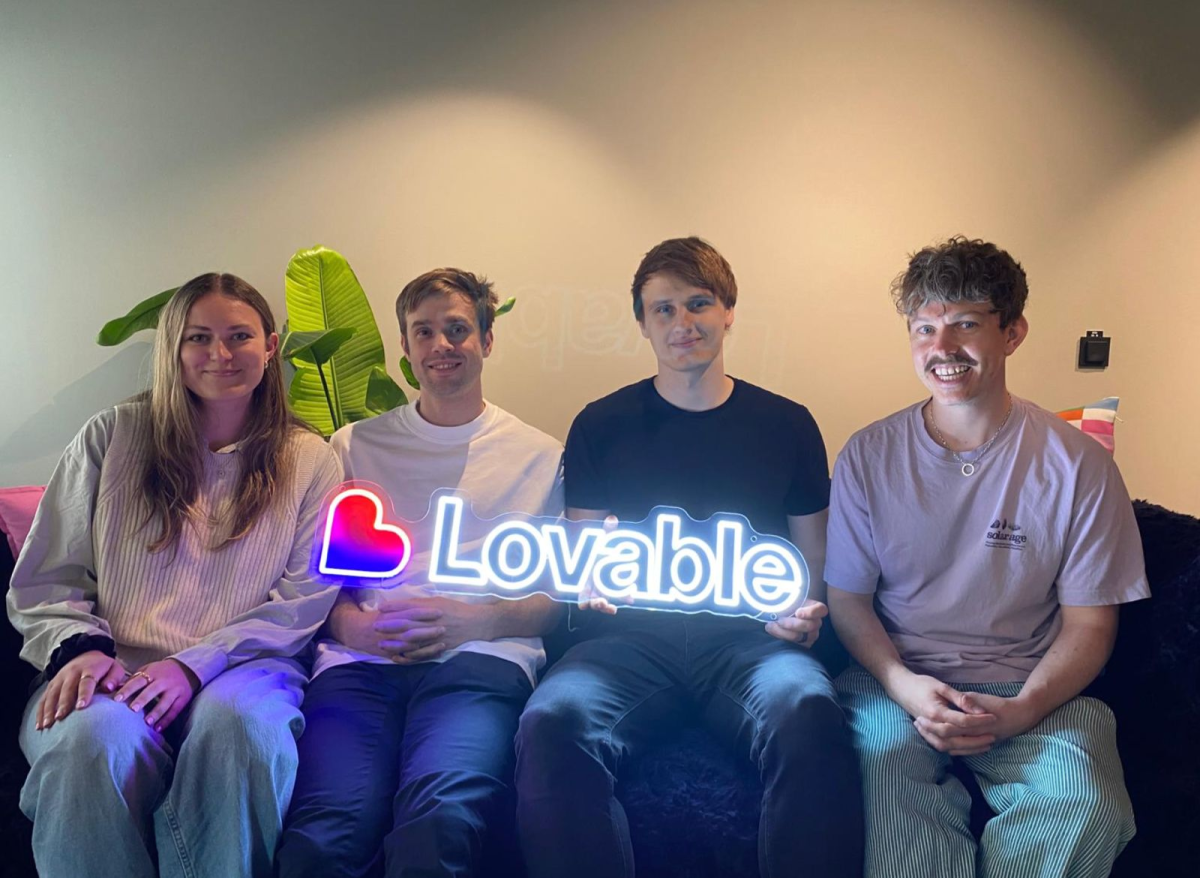
The software development world just witnessed something unprecedented. A European startup called Lovable reached $20 million in annual recurring revenue in just two months, making it potentially the fastest-growing startup in European history. But here's the twist that's making traditional software agencies nervous: they did it by giving non-technical founders the power to build full-stack applications without writing a single line of code. For years, the promise of no-code tools has been the same: anyone can build an app. But the reality has always been different. You'd create a beautiful frontend, get excited about your progress, and then hit the technical cliff. Suddenly you needed to configure databases, set up authentication, manage API keys, and deploy to servers. The "no-code" dream became a "hire-a-developer-anyway" nightmare.
The designer-developer relationship has been tense for decades. Designers create pixel-perfect mockups in Figma. Developers translate them to code and somehow everything looks slightly wrong. Fonts don't match. Spacing is inconsistent. Buttons have different corner radiuses. Both sides get frustrated, blame each other, and the product suffers. V0 by Vercel is fixing this problem by generating production-quality React components that look exactly like the designs. The rebrand from v0.dev to v0.app in January 2026 signaled expanded ambitions beyond just UI component generation. Vercel positioned the tool for full-stack web development, though its core strength remains frontend excellence. That strategic clarity matters because trying to be everything often means excelling at nothing. V0 chose to dominate the handoff between design and code before expanding into other areas.

Just want to say the personalization at scale use case is genuinely underrated. Sending personalized video messages to thousands of customers for birthdays or follow-ups was a white-glove, high-cost service before. Now it is a flow in a CRM.
The debugging experience when things go wrong is where this tool still feels rough. The AI autofix feature catches common errors, but when something breaks in a subtle way, the back-and-forth to diagnose it can consume more tokens than building the feature did.
Every single one of these companies, Anthropic included, is going to spend billions on this and some of them are going to fail spectacularly. That is just the nature of moonshot hardware bets. Not everyone who tries this succeeds.
Honestly both things can be true. The comment editing is a quality of life win and the teen safety changes are a response to very serious legal and societal pressure. They are not in competition with each other.
People forget that before everything else Meghan was an actress who genuinely loved fashion. The royal chapter suppressed that. The Paris debut feels like a reunion with a part of herself.
The striped bag is such a smart choice instead of plain leather. Adds personality while staying professional