So does that mean most people do not actually have the food sensitivities they think they have, they just have misaligned meal timing?
11
Sign up to see more
SignupAlready a member?
LoginBy continuing, you agree to Sociomix's Terms of Service, Privacy Policy

So does that mean most people do not actually have the food sensitivities they think they have, they just have misaligned meal timing?
The support cast in Second Coming of Gluttony is what elevates it above most comparable series. When you have genuine investment in every member of the team the stakes of every mission feel real rather than procedural.
What got me was how different a fight in a narrow corridor looks versus an open courtyard. The artist genuinely redesigns the choreography around the space instead of just dropping the same action into different backgrounds.
I showed three chapters to my friend who said she does not read manhwa and she asked me to send all available chapters immediately. Consider that a data point.
The regression subgenre has exploded in popularity over the past few years, becoming one of the most beloved narrative frameworks in Korean manhwa. The core premise is deceptively simple: a protagonist dies or fails catastrophically, then returns to an earlier point in time with their memories intact. Armed with future knowledge, they get a second chance to change their fate, save loved ones, gain power, or pursue revenge against those who wronged them. What makes regression stories so compelling is the combination of dramatic irony, strategic satisfaction, and emotional depth they provide. Readers know what the protagonist knows, creating tension when other characters make mistakes we can see coming. We feel smart alongside protagonists who use foreknowledge to outmaneuver enemies. And we experience the emotional weight of carrying memories of futures that haven't happened yet, of people who died who are currently alive, of betrayals that haven't occurred.
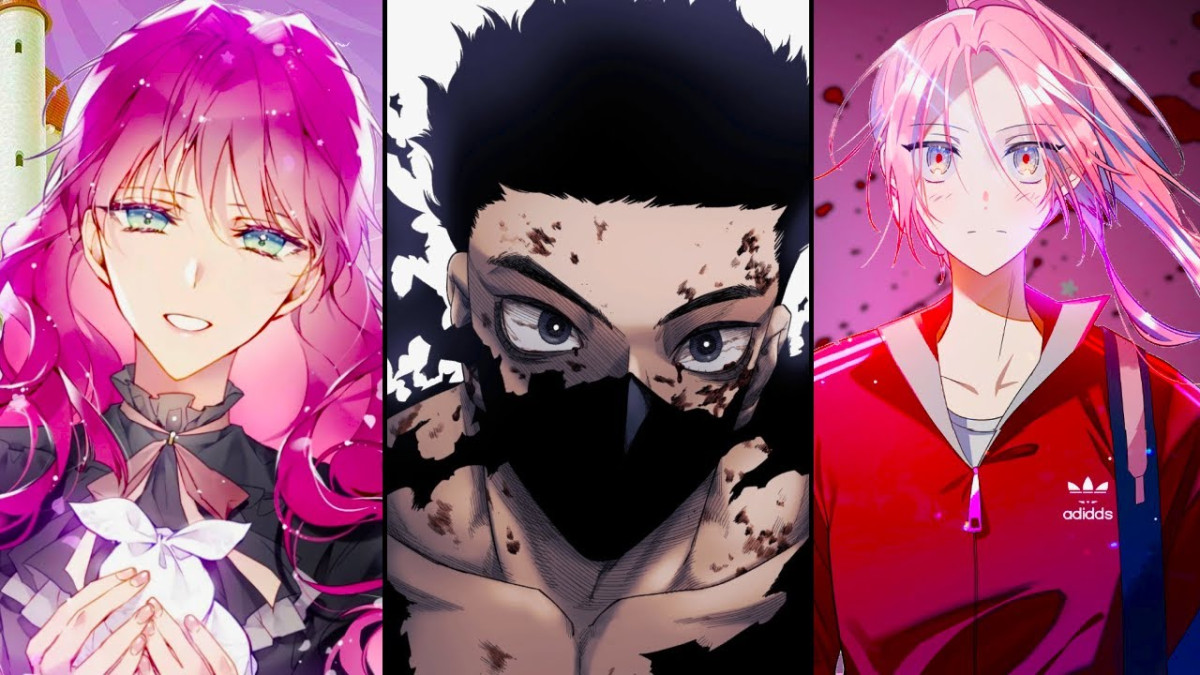
What nobody talks about with Eleceed is that the found family element might actually be what saves it from the CGI concerns. If the emotional relationship between Jiwoo and Kayden lands, audiences will forgive visual imperfections.
The bleakness does not feel exploitative is the thing. It feels like someone who actually understands melancholy trying to render it honestly rather than dramatically.
The fact that positive developer sentiment toward AI tools actually dropped from over 70% to 60% in recent surveys while usage keeps climbing tells you something interesting. People are adopting these tools even when they have reservations. That is not quite the utopia picture the article paints.
That collaboration gap makes sense. An agent that writes code for one person does not automatically make that code more reviewable or understandable to the rest of the team. The social side of software development is not a coding problem.
The trust problem is real. Recent developer surveys show that while AI tool adoption keeps climbing, trust in the actual output has dropped pretty sharply. Using these tools more does not mean trusting them more.
Good question, actually. Their AI dubbing supports around 30 languages with proper lip sync, and the full text to speech library covers 140 plus. So the experience quality does vary depending on which tier of language support you are using.
The designer-developer relationship has been tense for decades. Designers create pixel-perfect mockups in Figma. Developers translate them to code and somehow everything looks slightly wrong. Fonts don't match. Spacing is inconsistent. Buttons have different corner radiuses. Both sides get frustrated, blame each other, and the product suffers. V0 by Vercel is fixing this problem by generating production-quality React components that look exactly like the designs. The rebrand from v0.dev to v0.app in January 2026 signaled expanded ambitions beyond just UI component generation. Vercel positioned the tool for full-stack web development, though its core strength remains frontend excellence. That strategic clarity matters because trying to be everything often means excelling at nothing. V0 chose to dominate the handoff between design and code before expanding into other areas.
That is a really important point. Apple already does on-device scanning before encryption, so the binary choice TikTok is presenting between safety and E2EE is actually a false dilemma.
Honestly I am more interested in how CrowdStrike integrates this into actual products. They have the endpoint visibility and adversary tracking. If Mythos-level capabilities get built into commercial security tools the market shifts dramatically.
That last point is maybe the most important thing to understand about where AI capability development is headed. The dangerous capabilities are not separate tracks, they emerge from the same general intelligence improvements. You cannot easily isolate them.
In a rare divergence from industry norms, TikTok has confirmed it will not adopt end-to-end encryption (E2EE) for direct messages, breaking with nearly every major social media platform and reigniting one of the tech industry's most contentious debates. The Chinese-owned video platform told the BBC exclusively that it believes the privacy technology championed by Meta, Apple, and others as essential for user protection actually makes users less safe by creating "dark spaces" where harmful content can flourish beyond the reach of safety teams and law enforcement. The decision puts TikTok in direct opposition to its competitors while potentially exposing the company to fresh criticism over data protection, particularly given ongoing concerns about its ties to Beijing.
You could easily dress this down by swapping the heels for some white sneakers and adding a denim jacket instead of the tote