
The best cognitive health investment for most people is probably boring enough that it would never trend. Sleep. Movement. Real food. Meaningful relationships. The supplement market exists partly to make that boring truth feel insufficient.
Sign up to see more
SignupAlready a member?
LoginBy continuing, you agree to Sociomix's Terms of Service, Privacy Policy
Sign up to see more
SignupAlready a member?
LoginBy continuing, you agree to Sociomix's Terms of Service, Privacy Policy

The best cognitive health investment for most people is probably boring enough that it would never trend. Sleep. Movement. Real food. Meaningful relationships. The supplement market exists partly to make that boring truth feel insufficient.
Bio-harmony eating is the nutrition trend reshaping how people think about food in 2026, and if you have been feeling like calorie counting is making you miserable without actually delivering results, the science behind it will likely resonate immediately. The concept is straightforward - instead of obsessively tracking numbers on a label, you align what you eat, when you eat it, and how much with your body's internal biological clock, your metabolic rhythms, and your gut's own needs. After spending several months testing this approach, shifting my own meals earlier in the day and rebuilding my eating window around natural light cycles, the difference in energy levels and digestion alone was enough to keep me from ever going back to a calorie app. This guide covers what bio-harmony eating actually is, the real science behind it, what a typical day looks like in practice, and who is most likely to benefit.
Jaafar literally looks so much like Michael it gives me chills every time I see a clip.
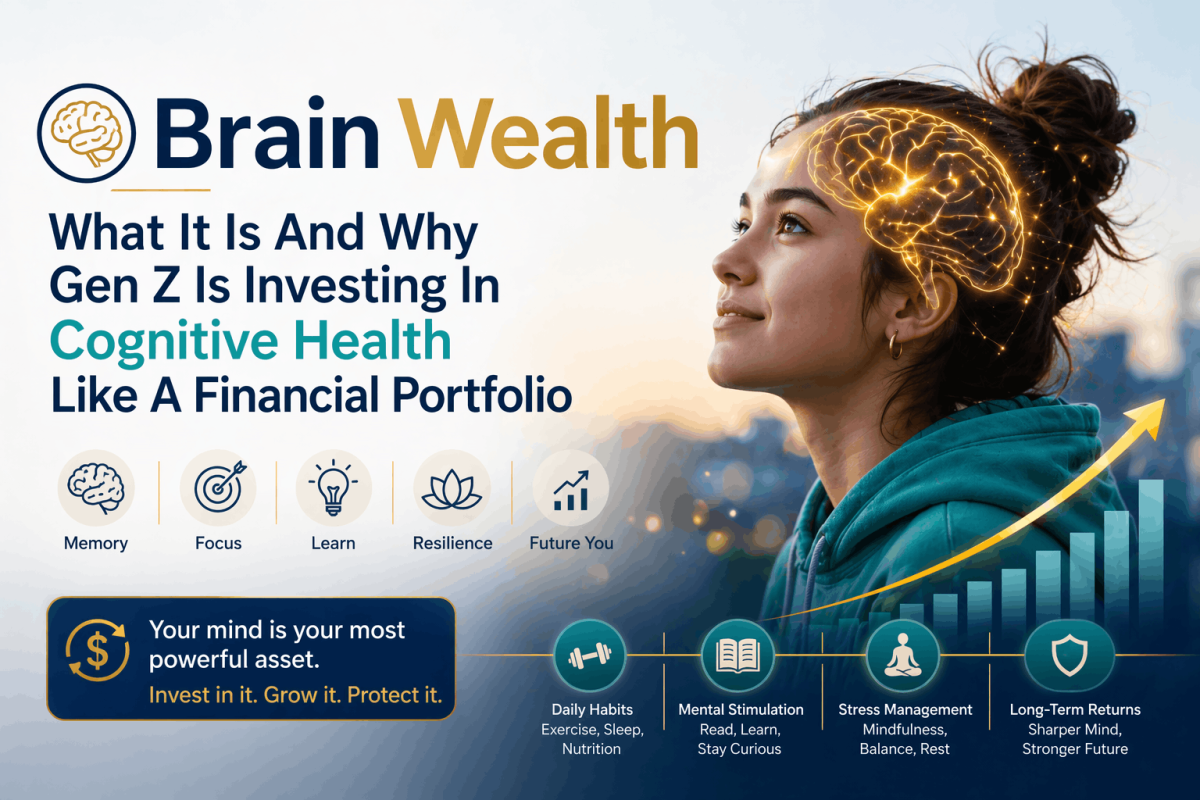
Brain wealth is the lifestyle concept redefining how an entire generation thinks about mental health in 2026, and if you have been treating your cognitive fitness as something to address only when something goes wrong, the shift happening right now will feel either overdue or quietly alarming depending on where you stand. The idea is straightforward but the implications are significant: your cognitive capacity, your ability to focus, adapt, learn, regulate your emotions, and think clearly under pressure, is not a fixed trait you are born with. It is a long-term asset you can actively invest in, protect, and grow.
That is a fair point about backgrounds in the webtoon format but JH leans into that limitation so deliberately that it transforms into a feature rather than a bug.
Fair point, but execution still matters. Rough-on-purpose is a harder pitch than it sounds.
The article is a little generous about Jooheon's moral complexity. He is fun to follow but let us not pretend he has a nuanced ethical code. He does what benefits him and the sister protection angle is more emotional shorthand than genuine character depth.
Tower climbing stories have become a dominant force in manhwa, but most follow predictable patterns. A protagonist enters a mysterious tower, gains powers, forms a party, and ascends floors while growing stronger. The formula works because progression feels satisfying and each floor presents new challenges. However, Doom Breaker takes this familiar framework and transforms it into something far more emotionally devastating and psychologically complex than typical tower stories. Also known as SSS-Class Suicide Hunter, Doom Breaker initially appears to be another power fantasy where the protagonist gains an overpowered ability. The premise sounds almost comedic. Kim Gongja can copy any skill by dying, then returns to life to use that ability. But beneath this seemingly absurd power lies a story about pain, sacrifice, redemption, and what it truly means to be a hero when heroism demands everything from you.
Honestly this is just Nano Machine energy but turned up to eleven with an alien invasion. Not a complaint, just an observation.
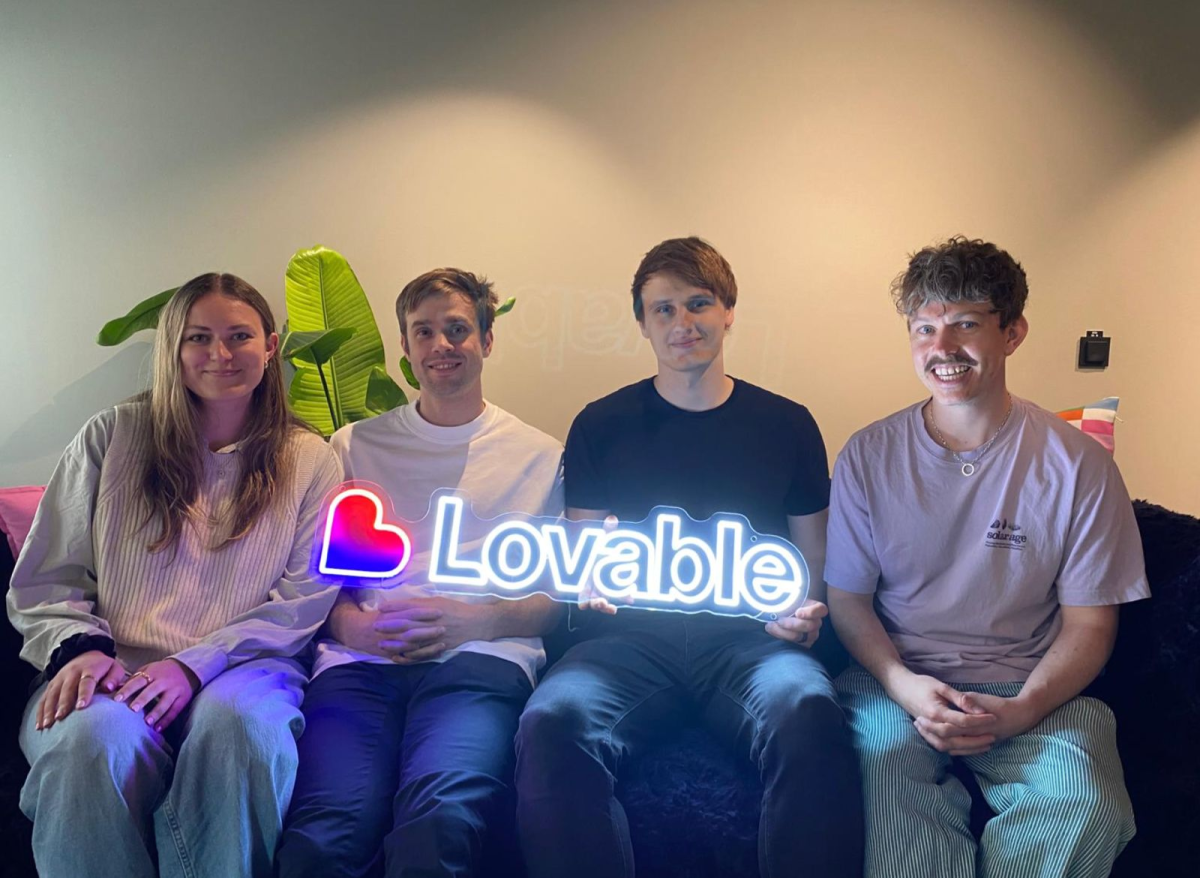
The software development world just witnessed something unprecedented. A European startup called Lovable reached $20 million in annual recurring revenue in just two months, making it potentially the fastest-growing startup in European history. But here's the twist that's making traditional software agencies nervous: they did it by giving non-technical founders the power to build full-stack applications without writing a single line of code. For years, the promise of no-code tools has been the same: anyone can build an app. But the reality has always been different. You'd create a beautiful frontend, get excited about your progress, and then hit the technical cliff. Suddenly you needed to configure databases, set up authentication, manage API keys, and deploy to servers. The "no-code" dream became a "hire-a-developer-anyway" nightmare.
Avatar V was just teased in recent product notes and apparently delivers studio-quality output from a fifteen-second recording. If that delivers on the promise, the quality gap with Synthesia effectively disappears for most use cases.
Arm Holdings must be having a fantastic year watching every major tech company decide they need custom chips. Almost everyone building AI silicon ends up licensing Arm IP for at least part of the design.
Does anyone know whether the 40 additional organizations beyond the core twelve Glasswing partners have received the same level of access to the model or a more restricted version?
Features that reduce friction for users usually take a back seat to features that increase time on app. Comment editing probably did not meaningfully move engagement metrics in testing which is why it got deprioritized for years.
The real tell is going to be whether this affects TikTok's advertiser relationships. Brands care a lot about brand safety and a platform that is publicly associated with surveillance concerns and unresolved government data access litigation is a harder sell to risk-averse marketing departments.
Meta has just had one of its most important AI moments yet and the early signals are hard to ignore. Following the launch of its newest AI model Muse Spark, the company’s standalone Meta AI app surged dramatically in popularity, hinting at a much larger shift that is beginning to take shape. The release is particularly significant because it marks the first major AI model rollout under Alexandr Wang, who joined Meta to reboot its AI strategy. This is not just another incremental update. It represents a more aggressive and focused push into the AI race. According to data from Appfigures, Meta AI jumped from number 57 to number 5 on the U.S. App Store within a day of the launch. That kind of movement rarely happens without a strong underlying pull from users. It signals not curiosity but intent.
The supply chain risk classification story is being dramatically underplayed in coverage of this meeting. That designation has serious teeth and the legal challenge from Anthropic is going to be consequential regardless of outcome.
Genuinely asking, has any major platform that removed E2EE or avoided it ever subsequently shown that it meaningfully reduced child exploitation on their platform? Like is there actual outcome data on this?
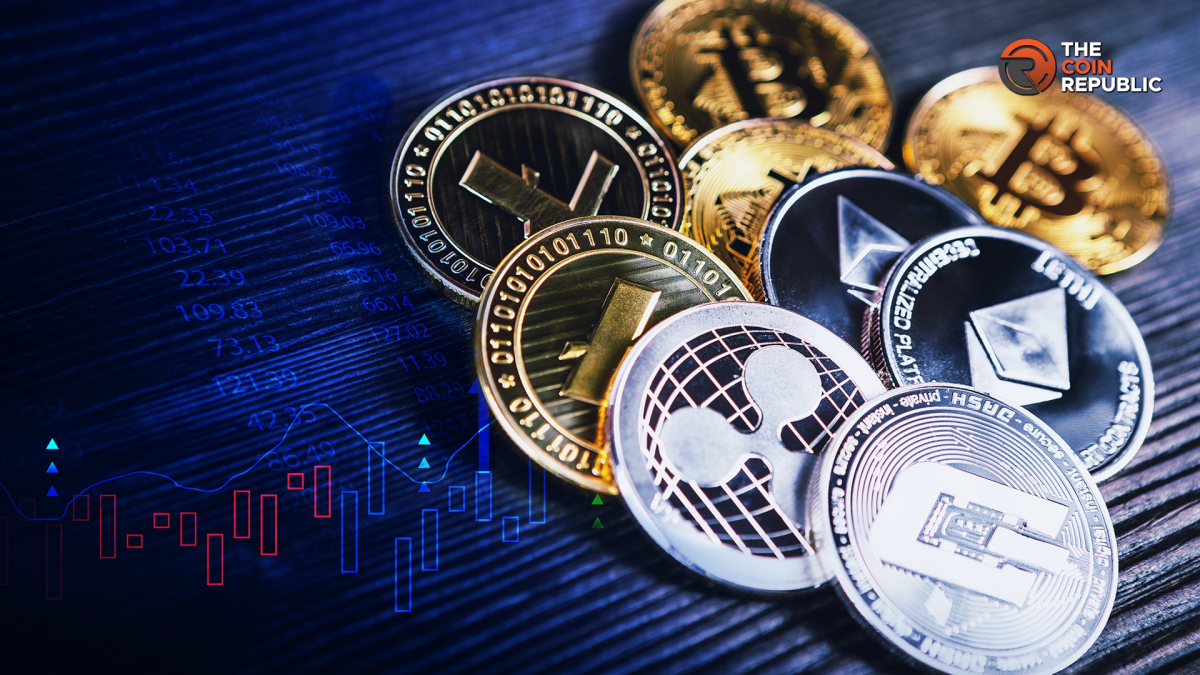
The global cryptocurrency market capitalization has climbed back above the $2.5 trillion threshold, fueled by a massive liquidation of short positions and renewed institutional interest. Geopolitical developments and shifting investor sentiment combined to create a powerful rally that caught bearish traders off guard, resulting in substantial losses for those betting against the market. According to data from CoinGecko, the total market capitalization of all cryptocurrencies combined increased 1.4% to reach $2.52 trillion on Friday, April 10. Bitcoin experienced a notable surge of over 3%, briefly touching the $73,000 mark before consolidating around $72,000 at the time of writing. Ethereum demonstrated equally impressive strength, pushing past the $2,200 level, while the majority of top 10 cryptocurrencies by market capitalization also posted significant gains.
Join independent creators, thought leaders, and storytellers to share your unique perspectives, and spark meaningful conversations.