
That is a completely reasonable position and honestly the most honest test of whether a series lives up to ambitious framing is time. If people are still recommending this in two years the reinvention claim will have earned itself.
Sign up to see more
SignupAlready a member?
LoginBy continuing, you agree to Sociomix's Terms of Service, Privacy Policy

That is a completely reasonable position and honestly the most honest test of whether a series lives up to ambitious framing is time. If people are still recommending this in two years the reinvention claim will have earned itself.
Honestly the most compelling part of the setup is knowing Bigang has intimate personal knowledge of the demon commanders. Imagine encountering someone as a stranger who you know is going to become your greatest enemy in a future that hasn't happened yet.
As someone who came into this through manga and eventually moved to manhwa, TGED is the series I recommend to people who are burned out on typical fantasy power fantasy stuff. It hits different.
The credit system burning through your budget on complex generations is a real problem. Saw community threads describing it as getting expensive fast once you move beyond simple component generation. The $20 plan sounds cheap until you're iterating on a full dashboard three times in one session.
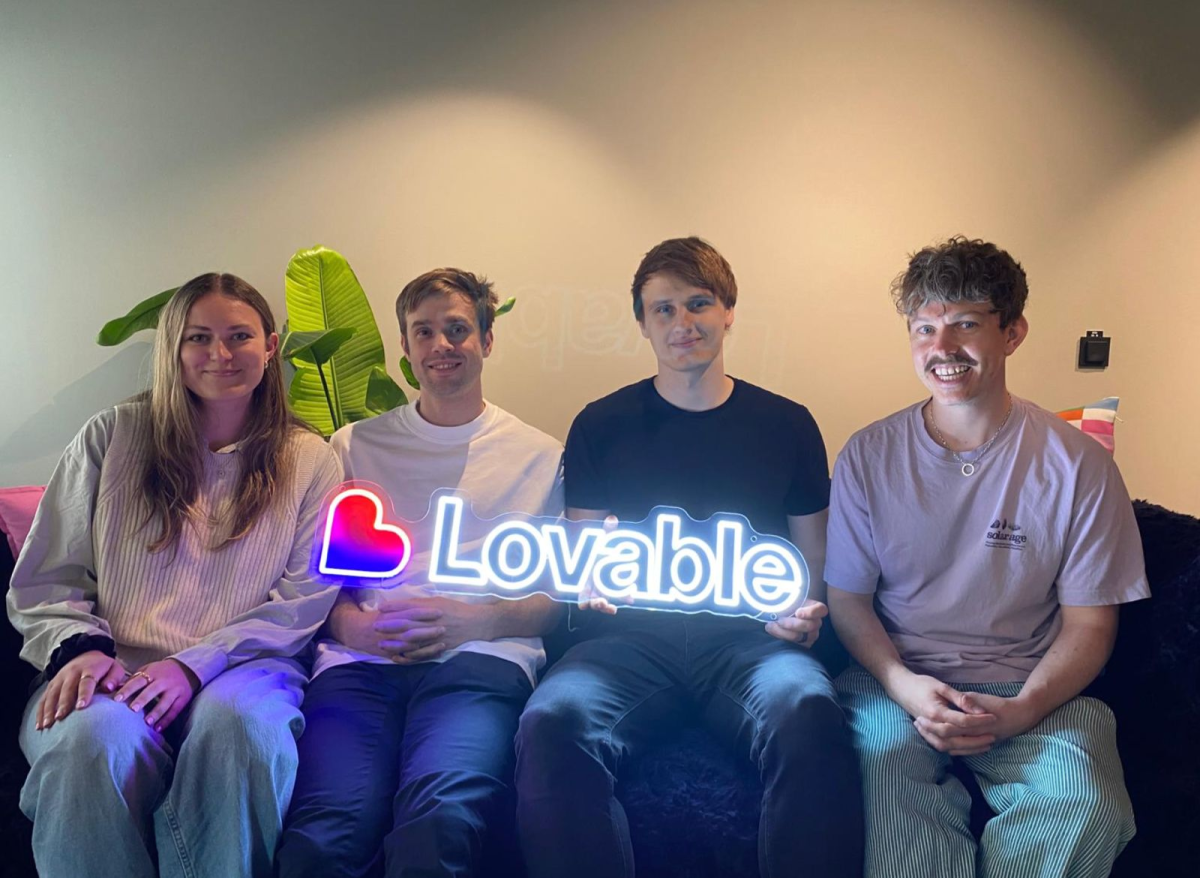
The software development world just witnessed something unprecedented. A European startup called Lovable reached $20 million in annual recurring revenue in just two months, making it potentially the fastest-growing startup in European history. But here's the twist that's making traditional software agencies nervous: they did it by giving non-technical founders the power to build full-stack applications without writing a single line of code. For years, the promise of no-code tools has been the same: anyone can build an app. But the reality has always been different. You'd create a beautiful frontend, get excited about your progress, and then hit the technical cliff. Suddenly you needed to configure databases, set up authentication, manage API keys, and deploy to servers. The "no-code" dream became a "hire-a-developer-anyway" nightmare.
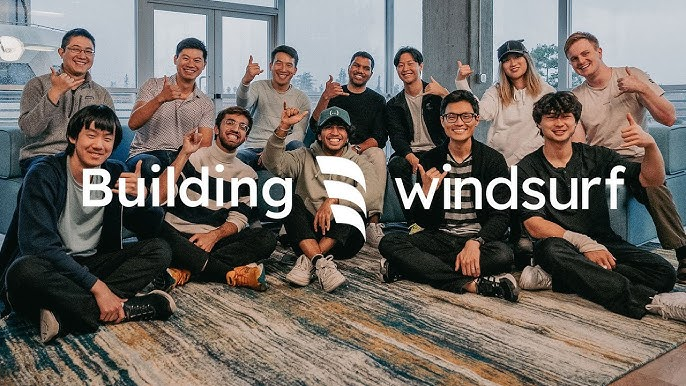
Developers have a new anxiety in 2026: token anxiety. You're in the middle of debugging a complex problem, the AI is helping you refactor three files simultaneously, and suddenly you wonder if this session is about to cost you $50. That mental tax slows you down and makes you second-guess using the tool you're paying for. Windsurf eliminated that anxiety with a simple decision: flat monthly pricing with no token limits. Fifteen dollars per month. Unlimited usage. No tracking credits or calculating costs per query. That pricing model sounds almost boring compared to the complex token systems other AI coding tools use, but boring is exactly what professional developers want when it comes to pricing. They want predictable costs and unlimited usage so they can focus on writing code instead of budgeting AI queries.
Watching traditional software companies scramble to respond to this is honestly fascinating. The incumbents have the resources but they do not have the hunger.
For what it is worth, the Pragmatic Engineer survey of 15,000 developers is the most credible data point in this whole debate. Not Sam Altman tweets, not run-rate revenue projections. What developers actually use and love.
Speaking as a developer who has built on top of multiple AI APIs, the hardware story is basically invisible to most people building applications. What matters is latency, availability, and price per token. Whatever chips achieve that best wins.
The article buries what might be the most important line, that over 99 percent of the vulnerabilities found have not yet been patched. That is the live exposure number everyone should be asking about.
The artificial intelligence industry is entering a new phase of competition, one that extends far beyond the development of advanced language models and neural networks. Companies are now engaged in an intense struggle to secure the computational infrastructure necessary to train and deploy their AI systems. In this context, Anthropic has reportedly begun exploring the possibility of designing and manufacturing its own specialized processors to power Claude, its flagship conversational AI platform, along with its broader suite of artificial intelligence technologies. This strategic consideration emerges at a critical moment in the global AI sector. The exponential growth in model complexity and capability has created unprecedented demand for high-performance computing resources. Sources familiar with the matter indicate that Anthropic is conducting feasibility studies to determine whether developing proprietary semiconductor technology could reduce its dependence on external hardware vendors while ensuring reliable access to the computing power required for its operations.
I'm obsessed with how the sandals complement the casual vibe while still looking put together
What about styling this for cooler evenings? I'm thinking a cream cardigan might work well with the yellow.