As someone who works adjacent to cognitive neuroscience research, the gap between what the peer reviewed literature actually supports and what consumer brands claim is staggering. The article is being generous calling it oversold.
13
Sign up to see more
SignupAlready a member?
LoginBy continuing, you agree to Sociomix's Terms of Service, Privacy Policy

As someone who works adjacent to cognitive neuroscience research, the gap between what the peer reviewed literature actually supports and what consumer brands claim is staggering. The article is being generous calling it oversold.
Ancestrally this all makes total sense. Humans evolved eating mostly during daylight and fasting through the night. We did not evolve with refrigerators and overhead lighting making midnight snacks effortless.
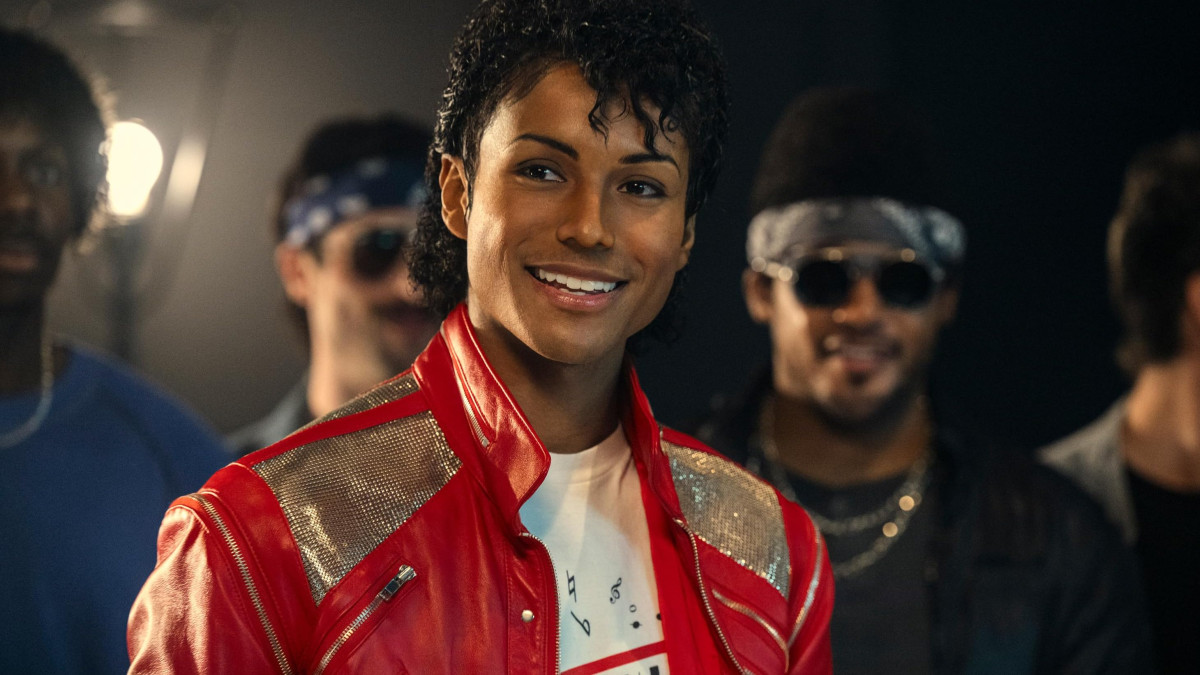
The Michael movie review verdict is in, and it is more complicated than the 26% Rotten Tomatoes score suggests. Antoine Fuqua's long-delayed Michael Jackson biopic, simply titled Michael, hit theaters this weekend with Jaafar Jackson playing his late uncle, and the critical response has been brutal. The BBC gave it one star. Roger Ebert's site called it a filmed playlist in search of a story. Yet early audience reactions on social media have been warmer, ticket pre-sales suggest an $80 million opening, and Variety thought it worked as an engrossing middle-of-the-road biopic. After tracking coverage across more than a dozen outlets over the past 48 hours, I think the honest answer to "should you watch this?" depends almost entirely on what you want from a music biopic, and this guide breaks down exactly what the film delivers, what it skips, and who will actually enjoy sitting through its two-hour-and-nine-minute runtime.
Speaking as someone who has read a lot of progression fantasy manhwa, Ragnarok's pacing in the early chapters is noticeably slower than what made Solo Leveling addictive. It does pick up but new readers need patience.
Read the first thirty chapters last week for the first time. The nano machine interface felt gimmicky at first then by chapter fifteen I realized I was using it to predict what Cheon Yeo-Woon was going to do before he did it. The art made me feel like I was also analyzing the fight.
The BL (Boys' Love) genre has exploded in popularity over recent years, and isekai stories have dominated manhwa and manga for nearly a decade. Combining these elements seems like an obvious move, yet surprisingly few series have attempted it seriously. Shall I Write You A Love Letter, created by Nickup and Yutae and released on Lehzin in December 2025, takes the familiar otome isekai formula and transforms it into a compelling BL narrative that subverts expectations at every turn. Otome isekai typically features female protagonists transported into romance game worlds where they must navigate relationships with attractive male love interests. The formula has been refined through countless iterations to the point where readers can predict story beats from the first chapter. What makes Shall I Write You A Love Letter noteworthy is how it takes that established framework and examines it through a completely different lens, creating something that feels both familiar and refreshingly new.

It is wild that the premise is basically a joke setup and the story builds something genuinely profound from it. Whatever the creative team is doing it works.
The framework flexibility claim is accurate but there is a catch. Because AI models have trained on so much React and Next.js code, they naturally default toward that stack even when you ask for something lighter. Vibe coding tools in general have a React bias baked in.
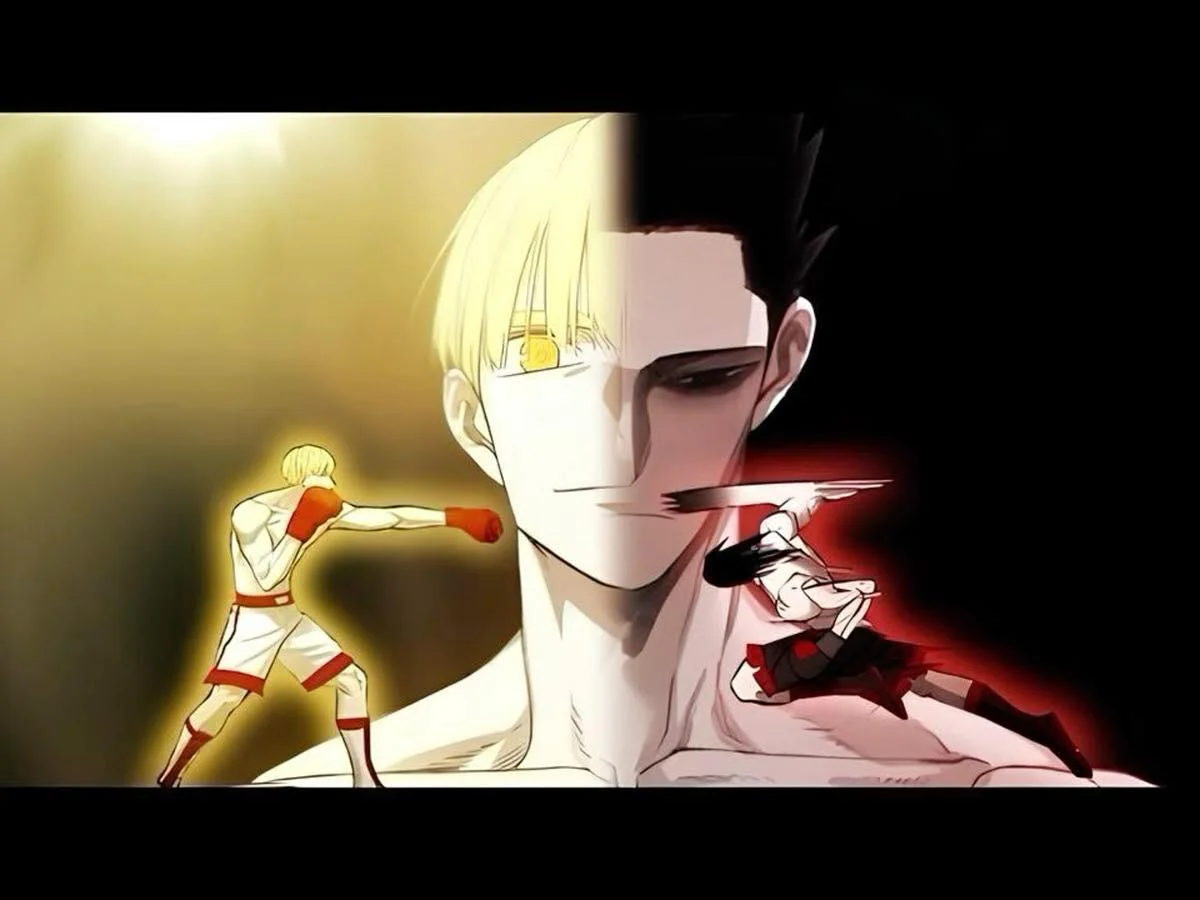
Sports anime and manga have delivered countless memorable series over the decades, from Slam Dunk's basketball brilliance to Haikyuu's volleyball excellence. These stories typically follow familiar patterns: talented but inexperienced protagonist joins a team, forms bonds with teammates, faces rivals, grows through competition, and ultimately pursues championship glory. The formula works because it taps into universal themes about effort, teamwork, and self-improvement. The Boxer, created by JH, takes everything you expect from sports stories and systematically deconstructs it. The protagonist doesn't love boxing. He doesn't form deep bonds with teammates. He doesn't overcome challenges through friendship and determination. Instead, the manhwa presents one of the darkest, most psychologically complex examinations of combat sports ever created, wrapped in stunningly minimalist artwork that elevates the narrative to something approaching high art.
The regression subgenre has exploded in popularity over the past few years, becoming one of the most beloved narrative frameworks in Korean manhwa. The core premise is deceptively simple: a protagonist dies or fails catastrophically, then returns to an earlier point in time with their memories intact. Armed with future knowledge, they get a second chance to change their fate, save loved ones, gain power, or pursue revenge against those who wronged them. What makes regression stories so compelling is the combination of dramatic irony, strategic satisfaction, and emotional depth they provide. Readers know what the protagonist knows, creating tension when other characters make mistakes we can see coming. We feel smart alongside protagonists who use foreknowledge to outmaneuver enemies. And we experience the emotional weight of carrying memories of futures that haven't happened yet, of people who died who are currently alive, of betrayals that haven't occurred.

Okay but does anyone else find it mildly funny that the company almost died right before launching the product that made it worth billions? Eight years of struggle and then nine months of rocketship growth.
Speaking as someone who does developer tooling research, the biggest ongoing shift is not from usage-based to flat pricing. It is from single-model to multi-model tool design, and Windsurf is positioned well there.
The designer-developer relationship has been tense for decades. Designers create pixel-perfect mockups in Figma. Developers translate them to code and somehow everything looks slightly wrong. Fonts don't match. Spacing is inconsistent. Buttons have different corner radiuses. Both sides get frustrated, blame each other, and the product suffers. V0 by Vercel is fixing this problem by generating production-quality React components that look exactly like the designs. The rebrand from v0.dev to v0.app in January 2026 signaled expanded ambitions beyond just UI component generation. Vercel positioned the tool for full-stack web development, though its core strength remains frontend excellence. That strategic clarity matters because trying to be everything often means excelling at nothing. V0 chose to dominate the handoff between design and code before expanding into other areas.

The pricing structure is sneakier than the article implies. Starter plan gives you 10 video minutes per month, which sounds fine until you realize one training module eats half that. You hit enterprise pricing faster than you expect.
The article buries what might be the most important line, that over 99 percent of the vulnerabilities found have not yet been patched. That is the live exposure number everyone should be asking about.
Speaking from experience working adjacent to luxury PR, the fact that Piccioli himself described her attendance as a casual request rather than a formal invite actually makes her look better, not worse. It means the relationship is real.
Just got the clutch and it's even more stunning in person the metallic finish catches the light beautifully!