
Can I use L-theanine with caffeine every day without building tolerance? That combination is the one thing I've actually noticed a real effect from.
15
Sign up to see more
SignupAlready a member?
LoginBy continuing, you agree to Sociomix's Terms of Service, Privacy Policy

Can I use L-theanine with caffeine every day without building tolerance? That combination is the one thing I've actually noticed a real effect from.
The supplement industry reaching $1.48 billion in brain health products alone in 2025 explains why my social media feed looks the way it does. The marketing machine found the angle that resonates with younger consumers and is not letting go.
That gap is not unusual for populist films but I think both things can be true simultaneously. The critics are right that the film is structurally dishonest. The audiences are right that it is emotionally satisfying. These are not contradictory conclusions.
The regression subgenre has exploded in popularity over the past few years, becoming one of the most beloved narrative frameworks in Korean manhwa. The core premise is deceptively simple: a protagonist dies or fails catastrophically, then returns to an earlier point in time with their memories intact. Armed with future knowledge, they get a second chance to change their fate, save loved ones, gain power, or pursue revenge against those who wronged them. What makes regression stories so compelling is the combination of dramatic irony, strategic satisfaction, and emotional depth they provide. Readers know what the protagonist knows, creating tension when other characters make mistakes we can see coming. We feel smart alongside protagonists who use foreknowledge to outmaneuver enemies. And we experience the emotional weight of carrying memories of futures that haven't happened yet, of people who died who are currently alive, of betrayals that haven't occurred.

Narrative inevitability as a plot device only works if the story acknowledges how frustrating it is for the character experiencing it. The best isekai do not just use it as a convenience. They use it as a source of genuine existential dread.
As someone skeptical of these benchmarks, the thing that matters to me is whether real clients can tell the difference between AI video and real footage. On hero shots, absolutely not. On secondary content and B-roll, Runway is getting close.
Hot take: Seedance 2.0 from ByteDance was quietly the most technically impressive release of early 2026 and barely anyone in Western tech circles is talking about it.
When a company raises $200 million in Series E funding during January 2026, investors are betting on more than potential. They're backing proven market demand and sustainable growth. Synthesia's funding round came alongside a 44% year-over-year increase in headcount to 706 employees, signaling aggressive expansion in a category the company essentially created: AI avatar-based video generation for enterprise training and communications. Corporate training videos have been expensive and slow to produce for decades. Recording a single 10-minute training module traditionally required booking a studio, hiring a presenter, scheduling a videographer, managing multiple takes, and editing everything together. If you needed to update information or translate content, you essentially started over. Synthesia eliminated this entire production workflow by replacing human presenters with AI avatars.

Genuinely, does anyone know if Muse Spark actually works better than Llama 4 in practice or only on Meta's own benchmarks? Real world testing versus lab conditions has been a consistent gap with Meta's previous models.
The article is thorough but doesn't really address what happens to altcoins if Bitcoin gets rejected at $73K and consolidates. A lot of people are leveraged long on smaller caps right now.
AWS already applying Mythos to critical internal codebases and finding additional opportunities even in well-tested environments tells you something important. These are codebases with dedicated security teams doing continuous review. And there were still more vulnerabilities.
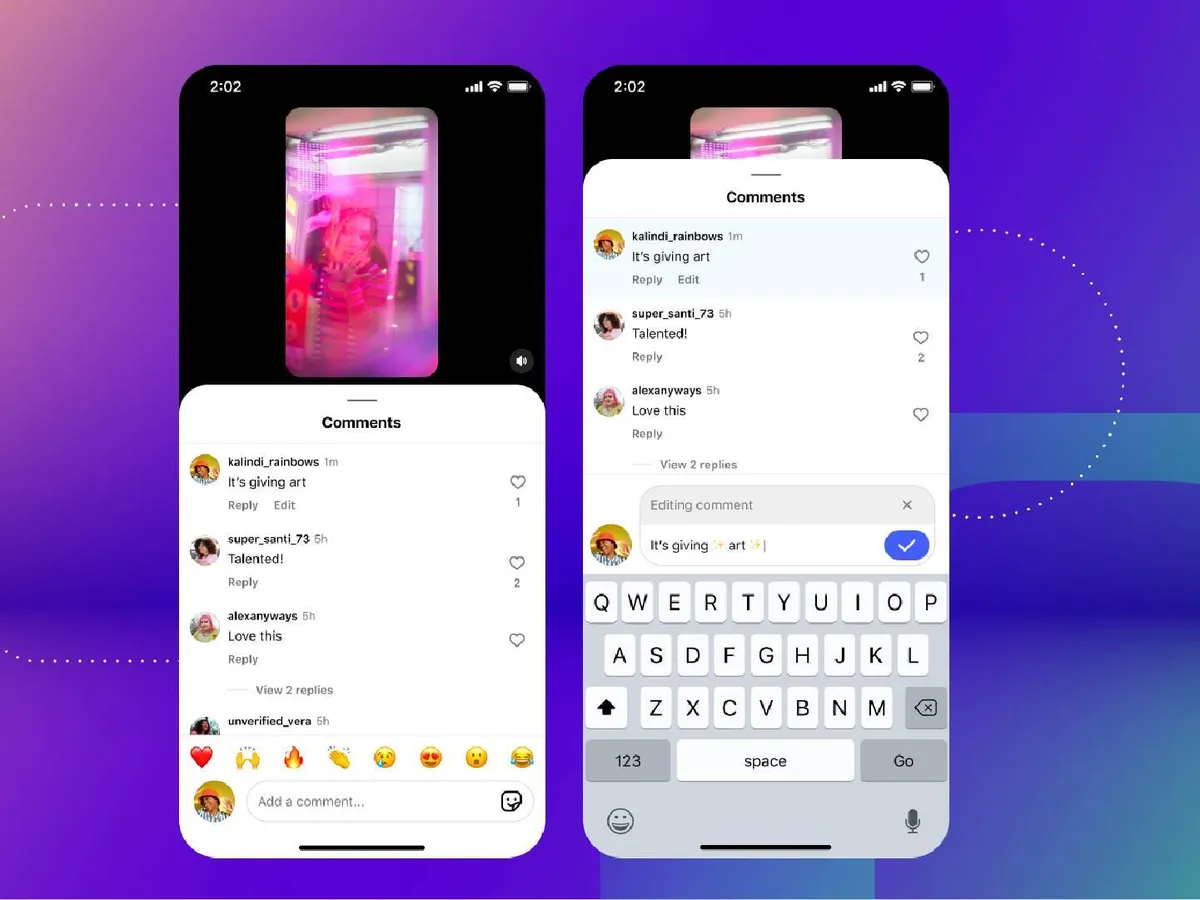
Instagram has rolled out a small but long overdue feature that users have been asking for years. You can now edit your comments after posting them. This simple change solves a very real frustration. Until now, fixing even the smallest typo meant deleting your comment and writing it all over again. That friction is finally gone. But there is a boundary. You get a 15 minute window after posting to make edits. Within that time, you can update your comment as many times as you want. There is also a layer of transparency built in. Once a comment is edited, others will be able to see that it has been modified. However, unlike platforms such as iMessage, Instagram does not show the edit history. What was originally written stays hidden.
The structure of that handbag is everything. Really pulls the whole sophisticated vibe together
Has anyone tried this with tights? Winter is coming and I want to keep wearing my t-shirt dresses