Both things can be true. The evolutionary framing is not the evidence, it is just an intuitive frame. The evidence is the mechanism research.
6
Sign up to see more
SignupAlready a member?
LoginBy continuing, you agree to Sociomix's Terms of Service, Privacy Policy

Both things can be true. The evolutionary framing is not the evidence, it is just an intuitive frame. The evidence is the mechanism research.
The point about Gongja's resurrections not erasing the grief of people who witnessed him die is something the article highlights well and something the story executes brilliantly. The trauma distributes outward, it does not just stay with him.
My partner picked this up thinking it was a lighthearted undead adventure based on the title and was absolutely blindsided by chapter three. Consider this your warning to set expectations properly before recommending it to people.
Hot take, the early chapters actually had better fight pacing than the recent ones. The later arcs lean heavily on the nano machine visualization gimmick and it can start to feel repetitive in its own way.
What is the etiquette when you send OtterPilot to a meeting with external clients who never agreed to be recorded? That feels like a relationship risk beyond just the legal one.
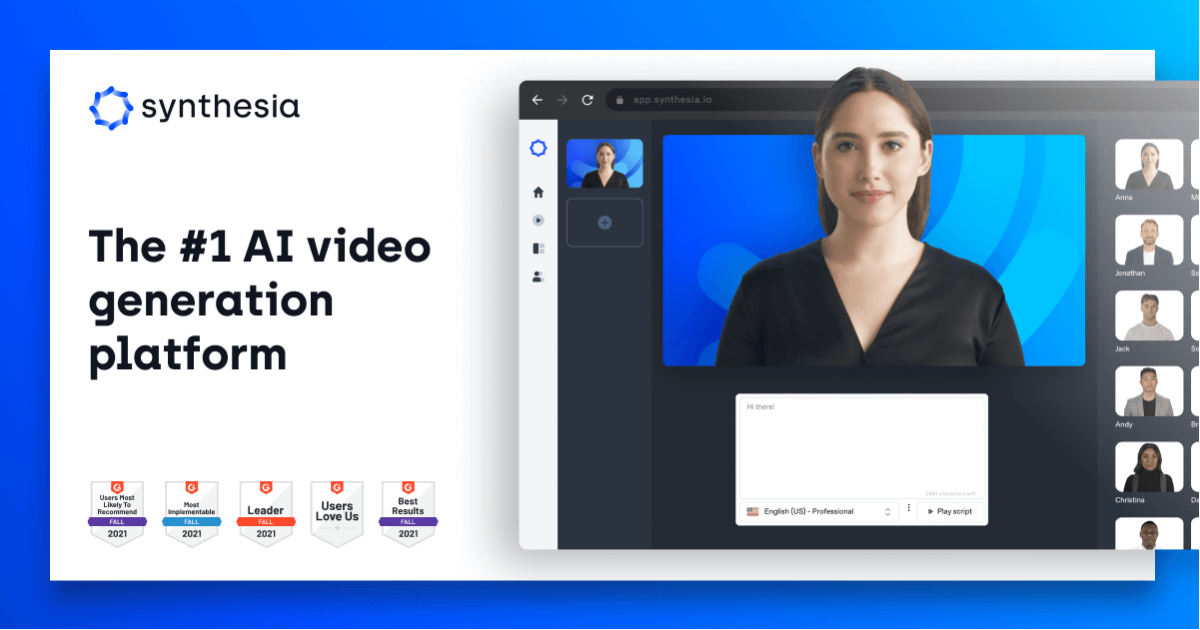
When a company raises $200 million in Series E funding during January 2026, investors are betting on more than potential. They're backing proven market demand and sustainable growth. Synthesia's funding round came alongside a 44% year-over-year increase in headcount to 706 employees, signaling aggressive expansion in a category the company essentially created: AI avatar-based video generation for enterprise training and communications. Corporate training videos have been expensive and slow to produce for decades. Recording a single 10-minute training module traditionally required booking a studio, hiring a presenter, scheduling a videographer, managing multiple takes, and editing everything together. If you needed to update information or translate content, you essentially started over. Synthesia eliminated this entire production workflow by replacing human presenters with AI avatars.
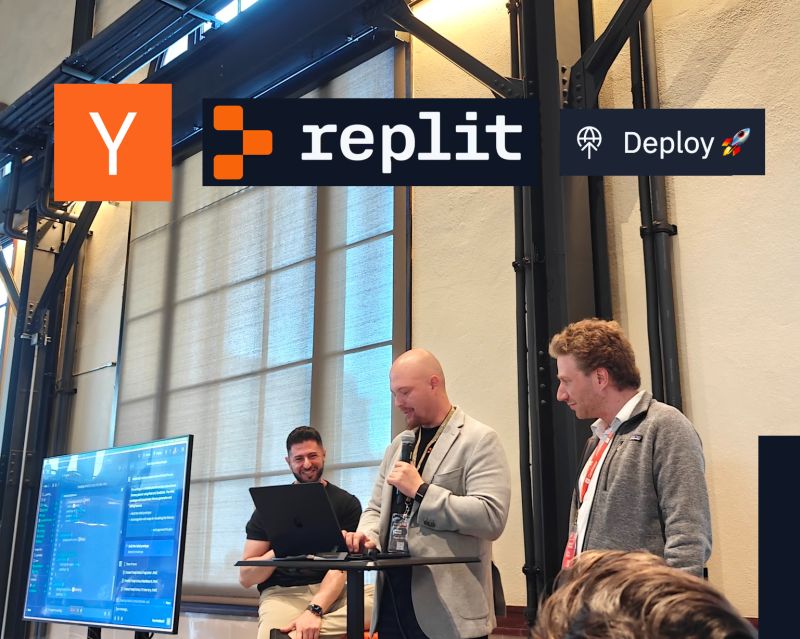
When a company's revenue jumps from $10 million to $100 million in nine months, you pay attention. When that growth comes from an AI agent that builds entire applications autonomously, you realize something fundamental just changed in software development. Replit Agent represents that change, and the numbers prove developers are ready for it. Replit started as a browser-based coding environment for education. Students could write Python or JavaScript without installing anything locally. Teachers loved it because setup time vanished. But the company saw something bigger. If you could run code in the browser, why not let AI write that code? That question led to Agent 3, an AI that doesn't just suggest code completions. It builds entire applications from scratch.
Accessibility angle deserves way more attention than it gets. Real-time transcription for deaf and hard-of-hearing participants is not a nice-to-have feature, it is a genuine equity tool.
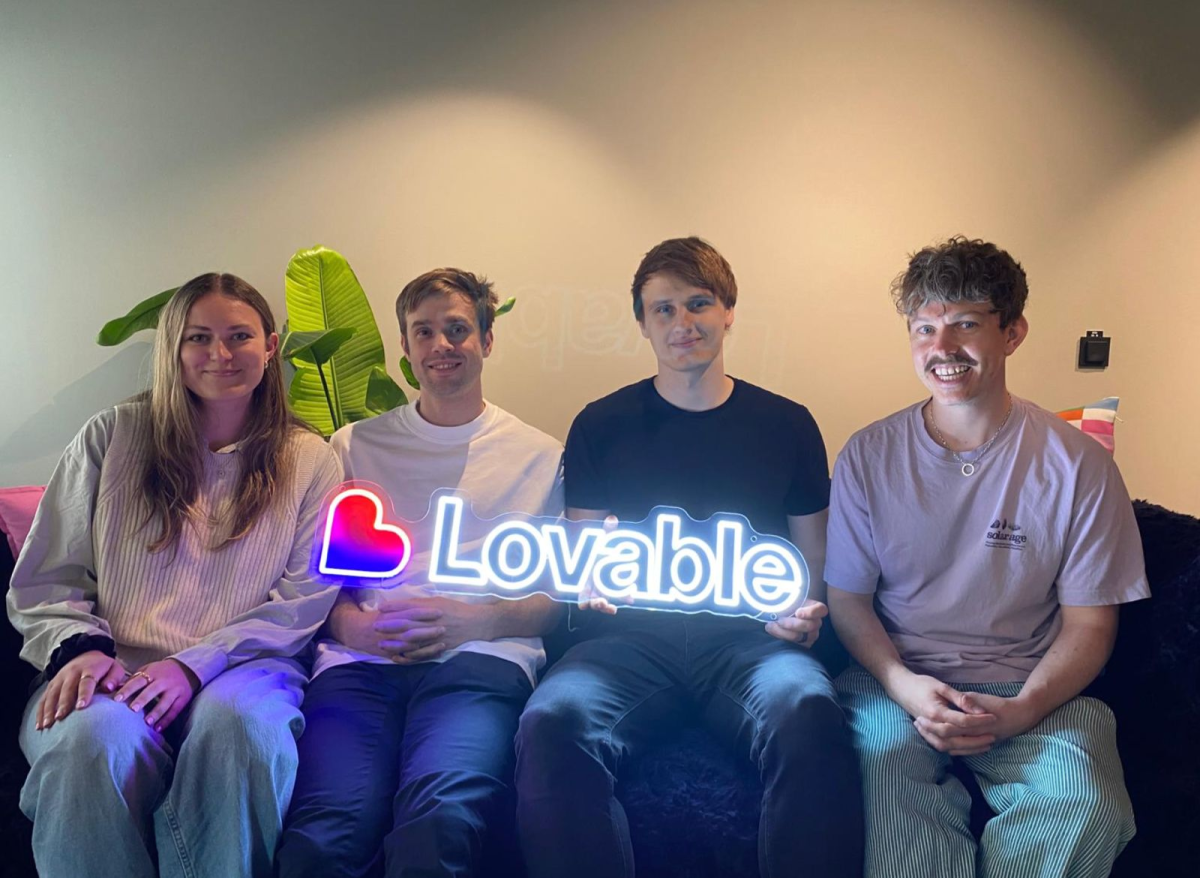
The software development world just witnessed something unprecedented. A European startup called Lovable reached $20 million in annual recurring revenue in just two months, making it potentially the fastest-growing startup in European history. But here's the twist that's making traditional software agencies nervous: they did it by giving non-technical founders the power to build full-stack applications without writing a single line of code. For years, the promise of no-code tools has been the same: anyone can build an app. But the reality has always been different. You'd create a beautiful frontend, get excited about your progress, and then hit the technical cliff. Suddenly you needed to configure databases, set up authentication, manage API keys, and deploy to servers. The "no-code" dream became a "hire-a-developer-anyway" nightmare.
The fact that Runway topped this benchmark as a relatively focused startup while Google and OpenAI were spending billions is honestly the most interesting business story in AI right now.
In a medium filled with talented artists producing stunning work, making a claim about any series having the "best" art feels bold. Yet Nano Machine consistently delivers combat sequences so fluid, detailed, and visually innovative that even readers who don't typically care about martial arts stories find themselves captivated by the sheer spectacle on display. The series combines traditional murim aesthetics with futuristic sci-fi elements, creating a unique visual identity that stands apart from typical cultivation manhwa. The nano machine implanted in protagonist Cheon Yeo-Woon's body doesn't just give him power. It becomes a storytelling device that allows the artist to visualize techniques, energy flows, and combat analysis in ways other series can't replicate.

What I find compelling is that the tool explicitly targets professional developers and does not try to be everything to everyone. That focus shows up in what features get prioritized and what gets left out.
the article buries the most important detail. E2EE is effectively banned in China. So when a Chinese-owned company tells you encryption is bad for users, you have to at least ask whether corporate philosophy or government pressure is driving that decision.
You design for flexibility and you make architectural bets based on what you think will be stable. Memory bandwidth and interconnect performance have been consistently important across generations. You build around those first principles.
Anthropic building its brand right before an IPO on being the responsible one is smart business and might also be genuinely good for the world. Those two things can be true simultaneously and I am not sure why we insist on treating them as mutually exclusive.
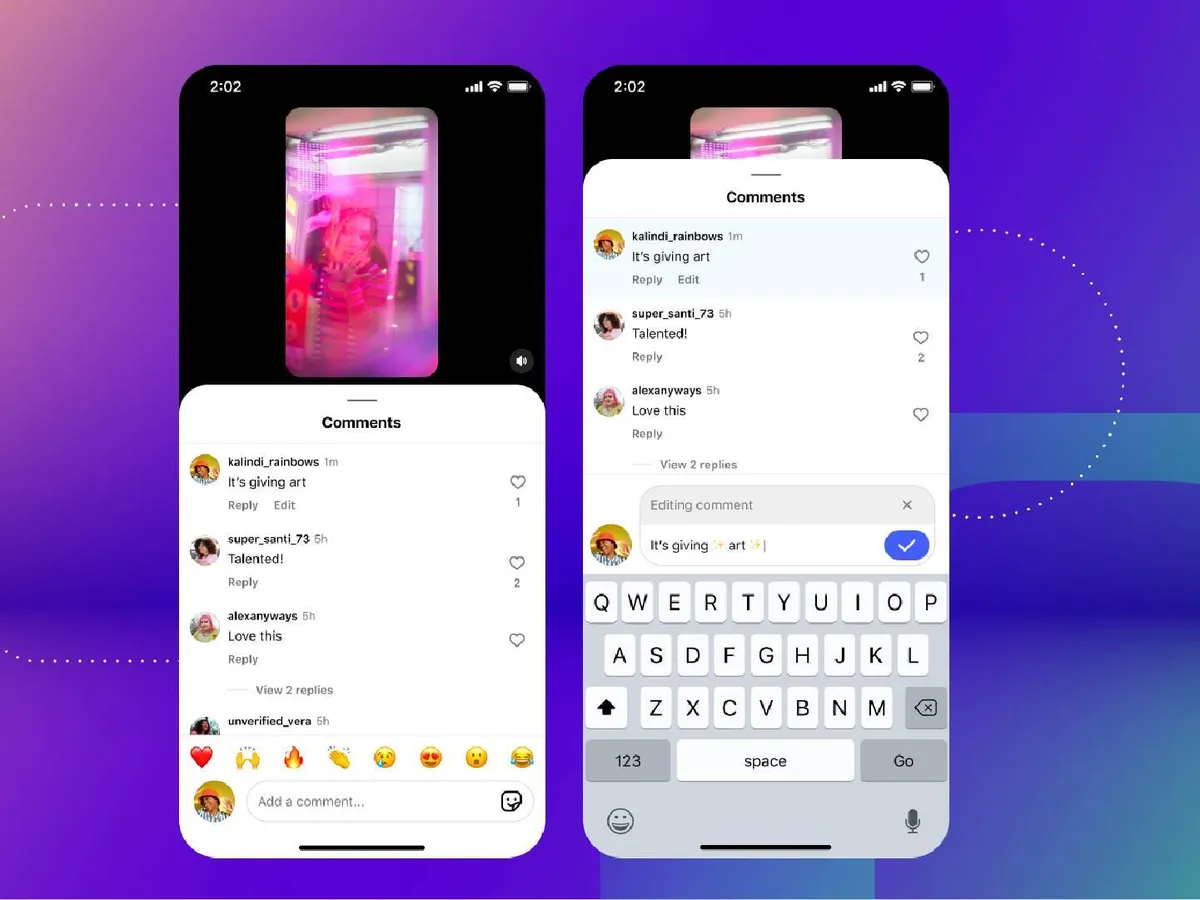
Instagram has rolled out a small but long overdue feature that users have been asking for years. You can now edit your comments after posting them. This simple change solves a very real frustration. Until now, fixing even the smallest typo meant deleting your comment and writing it all over again. That friction is finally gone. But there is a boundary. You get a 15 minute window after posting to make edits. Within that time, you can update your comment as many times as you want. There is also a layer of transparency built in. Once a comment is edited, others will be able to see that it has been modified. However, unlike platforms such as iMessage, Instagram does not show the edit history. What was originally written stays hidden.
DCA and stop worrying about the daily candles. That's my whole strategy and honestly it's the only one that has ever worked consistently for me.
I'm curious about the skirt material. Is it real leather or faux? Both could work but care instructions would be different
My legs would look terrible in those shorts. Anyone have suggestions for a similar vibe but more coverage?