Does this film actually explain why Jaafar was chosen over someone with more acting experience, or does it just present the family connection as sufficient explanation?
12
Sign up to see more
SignupAlready a member?
LoginBy continuing, you agree to Sociomix's Terms of Service, Privacy Policy

Does this film actually explain why Jaafar was chosen over someone with more acting experience, or does it just present the family connection as sufficient explanation?
The article makes a great point about it appealing beyond typical fantasy demographics. My mom does not watch anime at all and got hooked just from me explaining the premise to her.
Everything the article says about the demons being a civilization with strategic logic is accurate and it makes the series more unsettling than most action manhwa. A thinking enemy that adapts is infinitely scarier than monsters.
The infrastructure arc where Lloyd redesigns the entire estate layout for maximum economic efficiency is the chapter where I went from liking this to being fully obsessed.
The power level visual hierarchy described in the article, faint auras for beginners and almost-solid formations for masters, is so clean. You can gauge how dangerous someone is before a single punch is thrown.
In a manhwa landscape dominated by dungeon crawling, regression narratives, and power fantasies, The Greatest Estate Developer stands out by asking a simple question: what if the protagonist's greatest weapon wasn't a sword or magic system, but civil engineering knowledge? This bizarre premise transforms into one of the most entertaining, genuinely funny, and surprisingly heartfelt series currently running, proving that innovation in storytelling comes from unexpected places. The series takes the familiar isekai setup where a modern person finds themselves in a fantasy world and completely subverts expectations. Instead of becoming an adventurer or hero, protagonist Kim Suho uses his engineering knowledge to revolutionize construction, infrastructure, and economic development. What sounds like it should be boring becomes absolutely captivating through sharp writing, excellent comedic timing, and genuine passion for showing how infrastructure improves lives.

The regression subgenre has exploded in popularity over the past few years, becoming one of the most beloved narrative frameworks in Korean manhwa. The core premise is deceptively simple: a protagonist dies or fails catastrophically, then returns to an earlier point in time with their memories intact. Armed with future knowledge, they get a second chance to change their fate, save loved ones, gain power, or pursue revenge against those who wronged them. What makes regression stories so compelling is the combination of dramatic irony, strategic satisfaction, and emotional depth they provide. Readers know what the protagonist knows, creating tension when other characters make mistakes we can see coming. We feel smart alongside protagonists who use foreknowledge to outmaneuver enemies. And we experience the emotional weight of carrying memories of futures that haven't happened yet, of people who died who are currently alive, of betrayals that haven't occurred.

Three separate times while reading this series a minor character I had just started caring about died unfairly with things unresolved and I had to put my phone down and take a walk. The series earns its reputation.
The physical sensation of death being real and not abstracted away is such a specific creative choice. Most power fantasy stories give you the upgrade without the cost. Making the cost visceral and ongoing changes the entire emotional contract with the reader.
The credit system burning through your budget on complex generations is a real problem. Saw community threads describing it as getting expensive fast once you move beyond simple component generation. The $20 plan sounds cheap until you're iterating on a full dashboard three times in one session.
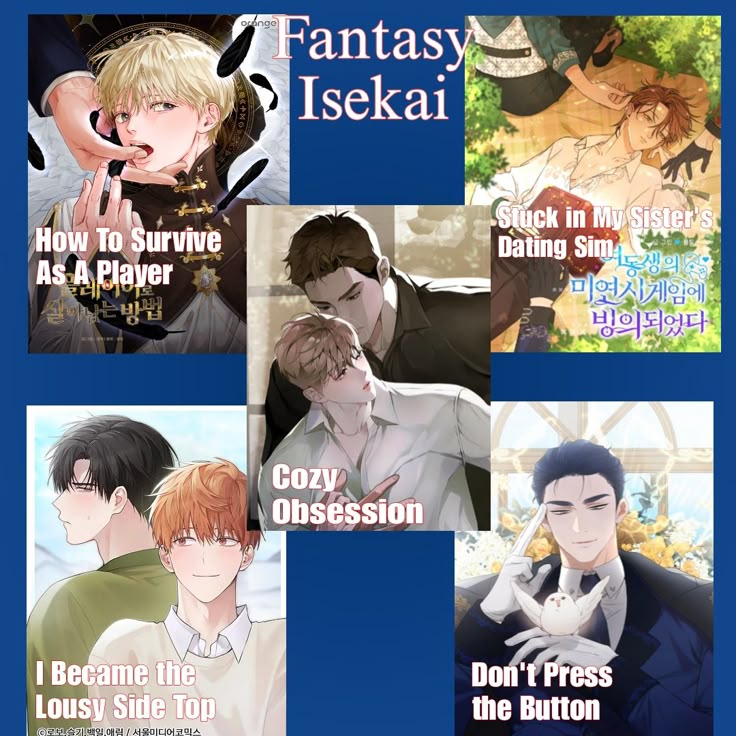
The BL (Boys' Love) genre has exploded in popularity over recent years, and isekai stories have dominated manhwa and manga for nearly a decade. Combining these elements seems like an obvious move, yet surprisingly few series have attempted it seriously. Shall I Write You A Love Letter, created by Nickup and Yutae and released on Lehzin in December 2025, takes the familiar otome isekai formula and transforms it into a compelling BL narrative that subverts expectations at every turn. Otome isekai typically features female protagonists transported into romance game worlds where they must navigate relationships with attractive male love interests. The formula has been refined through countless iterations to the point where readers can predict story beats from the first chapter. What makes Shall I Write You A Love Letter noteworthy is how it takes that established framework and examines it through a completely different lens, creating something that feels both familiar and refreshingly new.
Tried Windsurf for a month and went back to my previous setup. The agentic stuff is genuinely cool but I kept having to correct context drift on larger codebases. Maybe my projects are weird.
That bundling risk is real. Microsoft did it to Zoom, Google will eventually do it to AI tools it wants to win. Runway needs to build switching costs faster than the bundling pressure arrives.
The designer-developer relationship has been tense for decades. Designers create pixel-perfect mockups in Figma. Developers translate them to code and somehow everything looks slightly wrong. Fonts don't match. Spacing is inconsistent. Buttons have different corner radiuses. Both sides get frustrated, blame each other, and the product suffers. V0 by Vercel is fixing this problem by generating production-quality React components that look exactly like the designs. The rebrand from v0.dev to v0.app in January 2026 signaled expanded ambitions beyond just UI component generation. Vercel positioned the tool for full-stack web development, though its core strength remains frontend excellence. That strategic clarity matters because trying to be everything often means excelling at nothing. V0 chose to dominate the handoff between design and code before expanding into other areas.

The real story buried in all this is what happens to traditional enterprise software. When Anthropic launched Cowork and SaaS stocks lost two trillion in market cap in a day, that was the market finally pricing in what agentic AI actually means for Salesforce and ServiceNow.
The breadth of this rally is what I keep coming back to. When altcoins pump with Bitcoin, that's actual risk appetite returning, not just BTC-specific positioning.
The WhatsApp comparison is interesting since WhatsApp also does not show version history on edited messages. It seems like Meta has a consistent internal policy across its apps to show the edited label but hide original content.
the bigger story here is not any single vulnerability. It is that the entire coordinated disclosure model that the security industry depends on was built for human-speed discovery and it cannot handle AI-speed discovery.
Real talk, $343 million in spot ETF inflows in a single day after two days of outflows is not a blip. Institutional money is watching every dip and deploying on weakness.