
Replying to the Dungeon Reset question. It stays consistently enjoyable but the pacing does slow considerably once other characters arrive and the solo survival phase ends. Some people prefer the early solo chapters.
15
Sign up to see more
SignupAlready a member?
LoginBy continuing, you agree to Sociomix's Terms of Service, Privacy Policy

Replying to the Dungeon Reset question. It stays consistently enjoyable but the pacing does slow considerably once other characters arrive and the solo survival phase ends. Some people prefer the early solo chapters.
Walking in on a friend reading this series at the chapter where a certain minor character from the merchant arc dies and trying to explain manhwa to someone who has never read it before is an experience.
The manhwa world exploded when Solo Leveling first introduced us to Sung Jinwoo's journey from the weakest hunter to humanity's strongest defender. Now, Solo Leveling Ragnarok brings a fresh perspective to this beloved universe, and fans everywhere are asking the same questions. Can the sequel live up to the original? Do you need to read Solo Leveling first? What makes this continuation worth your time? This guide covers everything you need to know about Solo Leveling Ragnarok, whether you're a longtime fan or someone curious about jumping into the series Solo Leveling Ragnarok is not a reboot or alternate timeline. This is a direct sequel that continues the story years after the original series concluded. The protagonist shifts from Sung Jinwoo to his son, Sung Suho, who must forge his own path in a world still recovering from the catastrophic events his father prevented.

Three separate times while reading this series a minor character I had just started caring about died unfairly with things unresolved and I had to put my phone down and take a walk. The series earns its reputation.
The article describes Kim Dokja as resonating with anyone who ever felt like a side character in their own life and honestly that hit different than expected.
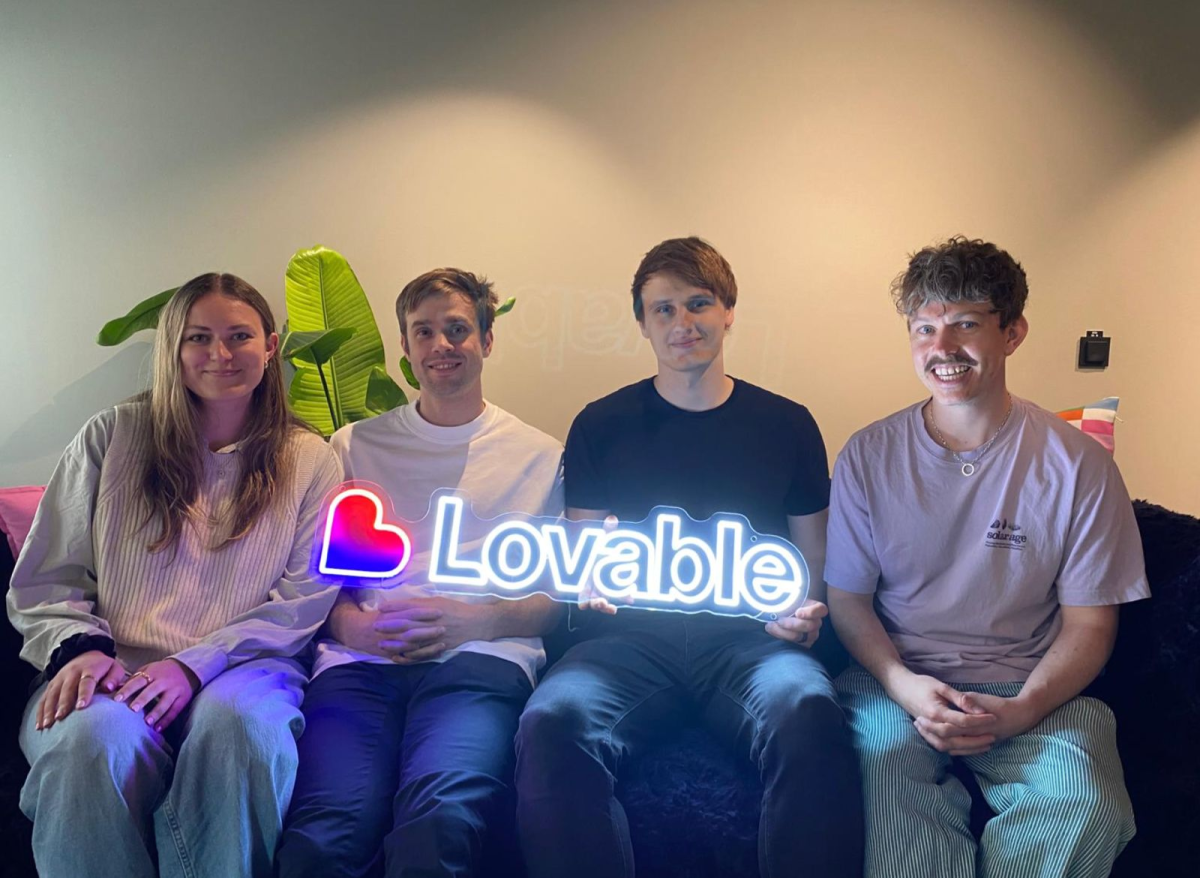
The software development world just witnessed something unprecedented. A European startup called Lovable reached $20 million in annual recurring revenue in just two months, making it potentially the fastest-growing startup in European history. But here's the twist that's making traditional software agencies nervous: they did it by giving non-technical founders the power to build full-stack applications without writing a single line of code. For years, the promise of no-code tools has been the same: anyone can build an app. But the reality has always been different. You'd create a beautiful frontend, get excited about your progress, and then hit the technical cliff. Suddenly you needed to configure databases, set up authentication, manage API keys, and deploy to servers. The "no-code" dream became a "hire-a-developer-anyway" nightmare.
I work in healthcare IT and a colleague of mine used this to build a patient scheduling tool. The speed was impressive but we still needed a proper security audit before anything could go near real patient data. The article glosses over that part pretty hard.
Project Glasswing is either a genuine attempt to secure critical infrastructure or the most sophisticated enterprise sales move in tech history. Probably both.
People keep framing this as no-code vs developers as if those are the only two options. The real story is that the feedback loop between idea and working product just compressed from months to hours.
On the model quality question, the benchmarks are all over the place and both companies commission their own evals. What I trust is production usage data. At my company we run A-B tests on complex tasks monthly. Claude wins on multi-step reasoning and long context consistently. Codex wins on raw code generation speed.
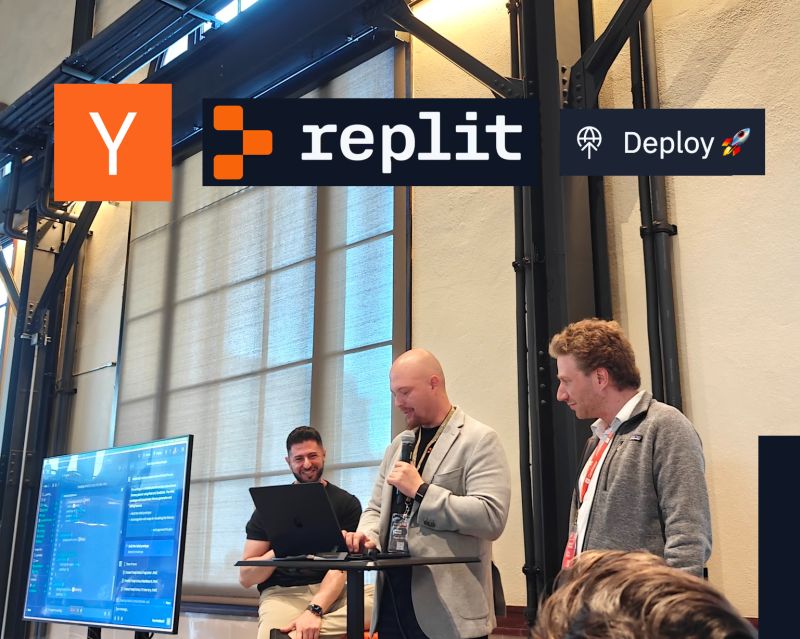
When a company's revenue jumps from $10 million to $100 million in nine months, you pay attention. When that growth comes from an AI agent that builds entire applications autonomously, you realize something fundamental just changed in software development. Replit Agent represents that change, and the numbers prove developers are ready for it. Replit started as a browser-based coding environment for education. Students could write Python or JavaScript without installing anything locally. Teachers loved it because setup time vanished. But the company saw something bigger. If you could run code in the browser, why not let AI write that code? That question led to Agent 3, an AI that doesn't just suggest code completions. It builds entire applications from scratch.
OpenAI's latest subscription offering represents its most aggressive move yet to reclaim market share in the rapidly expanding AI-powered coding assistant sector
I'd love to see this with a colored belt to break up the black a bit. Maybe in navy to match the shoes?
What kind of jacket would you wear with this? I'm thinking cropped might work best with the peplum
The subtle hardware details on the bag complement the studded heels perfectly. Its all about those little coordinating elements