
Jung Heewon does not get nearly enough attention in most discussions of this series. Her arc from terrified office worker to someone who actively challenges Dokja when she thinks he is wrong is one of the most satisfying in the whole story.
Sign up to see more
SignupAlready a member?
LoginBy continuing, you agree to Sociomix's Terms of Service, Privacy Policy

Jung Heewon does not get nearly enough attention in most discussions of this series. Her arc from terrified office worker to someone who actively challenges Dokja when she thinks he is wrong is one of the most satisfying in the whole story.
The article is written in a way that presupposes Nano Machine readers are a monolith who all agree it has the best combat art. The actual community is more divided. Some longtime murim fans think the tech elements are a crutch.
The comparison between reading system manhwa and playing games is accurate but it also means the genre has the same problem as games. Once you've seen the systems, replaying the same beats in a new package gets exhausting.
The question the article raises about dying hundreds of times and losing what it means to truly live is answered so quietly and gradually in the narrative that you almost miss when the story makes its point. That subtlety is everything.
The fact that this series is rated Young Adult on Webtoon while dealing with brainwashing, psychological trauma, and apocalyptic horror is doing a lot of work.
Hot take: this is not replacing your development team. It is replacing your intern. There is a significant difference.
The floor design in this series is genuinely the most creative use of the tower setting anyone has attempted. Floors as moral dilemmas rather than combat tests is such an obvious idea in retrospect that it is surprising nobody did it this effectively before.
The free tier having a Made in Bolt badge is a completely reasonable business decision and people complaining about it need to relax. You want free hosting and free AI generation and no attribution? That math doesn't work.
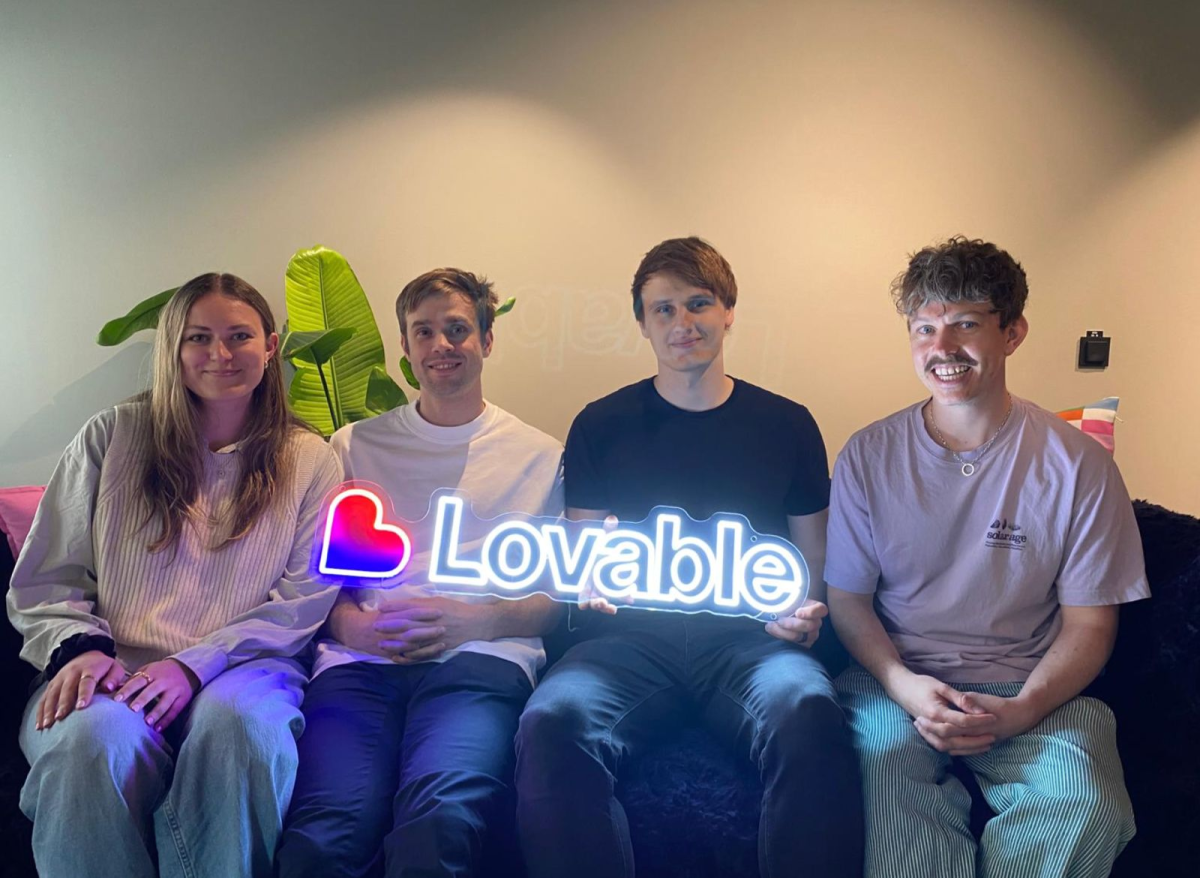
The software development world just witnessed something unprecedented. A European startup called Lovable reached $20 million in annual recurring revenue in just two months, making it potentially the fastest-growing startup in European history. But here's the twist that's making traditional software agencies nervous: they did it by giving non-technical founders the power to build full-stack applications without writing a single line of code. For years, the promise of no-code tools has been the same: anyone can build an app. But the reality has always been different. You'd create a beautiful frontend, get excited about your progress, and then hit the technical cliff. Suddenly you needed to configure databases, set up authentication, manage API keys, and deploy to servers. The "no-code" dream became a "hire-a-developer-anyway" nightmare.
Okay but can we talk about how OpenAI sending a memo to investors literally complaining about a competitor is such a weird move? That memo reads like a company that's scared, not confident.
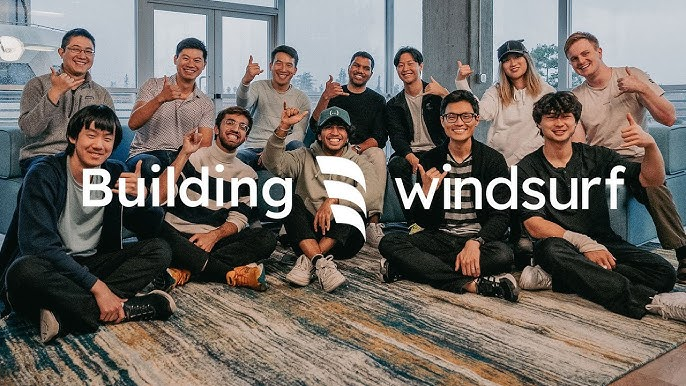
Developers have a new anxiety in 2026: token anxiety. You're in the middle of debugging a complex problem, the AI is helping you refactor three files simultaneously, and suddenly you wonder if this session is about to cost you $50. That mental tax slows you down and makes you second-guess using the tool you're paying for. Windsurf eliminated that anxiety with a simple decision: flat monthly pricing with no token limits. Fifteen dollars per month. Unlimited usage. No tracking credits or calculating costs per query. That pricing model sounds almost boring compared to the complex token systems other AI coding tools use, but boring is exactly what professional developers want when it comes to pricing. They want predictable costs and unlimited usage so they can focus on writing code instead of budgeting AI queries.
The code ownership and liability question is the one that is going to create a legal industry. Who is responsible when AI-generated code has a security vulnerability that causes a breach? Nobody has a clear answer yet.
The artificial intelligence industry is entering a new phase of competition, one that extends far beyond the development of advanced language models and neural networks. Companies are now engaged in an intense struggle to secure the computational infrastructure necessary to train and deploy their AI systems. In this context, Anthropic has reportedly begun exploring the possibility of designing and manufacturing its own specialized processors to power Claude, its flagship conversational AI platform, along with its broader suite of artificial intelligence technologies. This strategic consideration emerges at a critical moment in the global AI sector. The exponential growth in model complexity and capability has created unprecedented demand for high-performance computing resources. Sources familiar with the matter indicate that Anthropic is conducting feasibility studies to determine whether developing proprietary semiconductor technology could reduce its dependence on external hardware vendors while ensuring reliable access to the computing power required for its operations.