This is exactly what the murim genre needed in early 2026. Everything in the space was starting to feel like variations on the same template.
17
Sign up to see more
SignupAlready a member?
LoginBy continuing, you agree to Sociomix's Terms of Service, Privacy Policy

This is exactly what the murim genre needed in early 2026. Everything in the space was starting to feel like variations on the same template.
The part about how destruction persists across panels is the kind of craft detail that separates good action artists from great ones. Continuity in a fight scene takes enormous discipline.
Started Ragnarok skeptical, stayed for Beru being a protective uncle figure to Suho. Best character dynamic in the whole series.
The power level visual hierarchy described in the article, faint auras for beginners and almost-solid formations for masters, is so clean. You can gauge how dangerous someone is before a single punch is thrown.
Manhwa readers are living in genuinely historic times right now. Warner Bros partnering with Webtoon for animated adaptations on top of everything else happening with Korean comics in global media is unprecedented.
The constellations becoming full characters with distinct personalities and political agendas is where I went from liking this story to being completely obsessed with it. The Secretive Plotter alone justified the entire premise.
Hot take: any developer who dismisses v0 because they think AI-generated code is beneath them is going to spend the next five years watching their colleagues ship twice as fast.
The article is correct that this is the standard other series should aspire to. Whether it is currently the best is a fun argument. That it has raised the bar is not really arguable.
The regression subgenre has exploded in popularity over the past few years, becoming one of the most beloved narrative frameworks in Korean manhwa. The core premise is deceptively simple: a protagonist dies or fails catastrophically, then returns to an earlier point in time with their memories intact. Armed with future knowledge, they get a second chance to change their fate, save loved ones, gain power, or pursue revenge against those who wronged them. What makes regression stories so compelling is the combination of dramatic irony, strategic satisfaction, and emotional depth they provide. Readers know what the protagonist knows, creating tension when other characters make mistakes we can see coming. We feel smart alongside protagonists who use foreknowledge to outmaneuver enemies. And we experience the emotional weight of carrying memories of futures that haven't happened yet, of people who died who are currently alive, of betrayals that haven't occurred.

When Tomb Raider King first exploded onto the manhwa scene, it brought a fresh take on dungeon crawling stories by combining archaeological adventure with ruthless protagonist energy and a treasure-hunting premise that felt genuinely different from typical gate and dungeon narratives. The series built a dedicated fanbase through its satisfying blend of historical artifact powers, strategic relic acquisition, and a protagonist who wasn't afraid to be morally gray in pursuit of his goals. Now, with the anime adaptation confirmed for 2026 as one of the most anticipated manhwa-to-anime projects, Tomb Raider King is experiencing a resurgence. New readers are discovering the series while longtime fans eagerly await seeing Jooheon Suh's relic-hunting adventures brought to life with animation. The timing couldn't be better, as the series has built enough content to support a substantial adaptation while maintaining momentum in its ongoing storyline.

In a manhwa landscape dominated by dungeon crawling, regression narratives, and power fantasies, The Greatest Estate Developer stands out by asking a simple question: what if the protagonist's greatest weapon wasn't a sword or magic system, but civil engineering knowledge? This bizarre premise transforms into one of the most entertaining, genuinely funny, and surprisingly heartfelt series currently running, proving that innovation in storytelling comes from unexpected places. The series takes the familiar isekai setup where a modern person finds themselves in a fantasy world and completely subverts expectations. Instead of becoming an adventurer or hero, protagonist Kim Suho uses his engineering knowledge to revolutionize construction, infrastructure, and economic development. What sounds like it should be boring becomes absolutely captivating through sharp writing, excellent comedic timing, and genuine passion for showing how infrastructure improves lives.

The brainwashing backstory is doing a lot of heavy lifting for Bigang's character. The fact that he served the demons not through willing betrayal but through psychological violation makes him sympathetic rather than morally compromised.
What I appreciate is the try before you buy model. Every AI tool should offer enough free usage to actually complete a meaningful task, not just a toy demo. The 25 prompt credit floor is reasonable.
The mention of working through Tapas coin system is accurate but also they run free unlock promotions fairly regularly. New readers can catch up on significant chunks without spending much if they time it right.
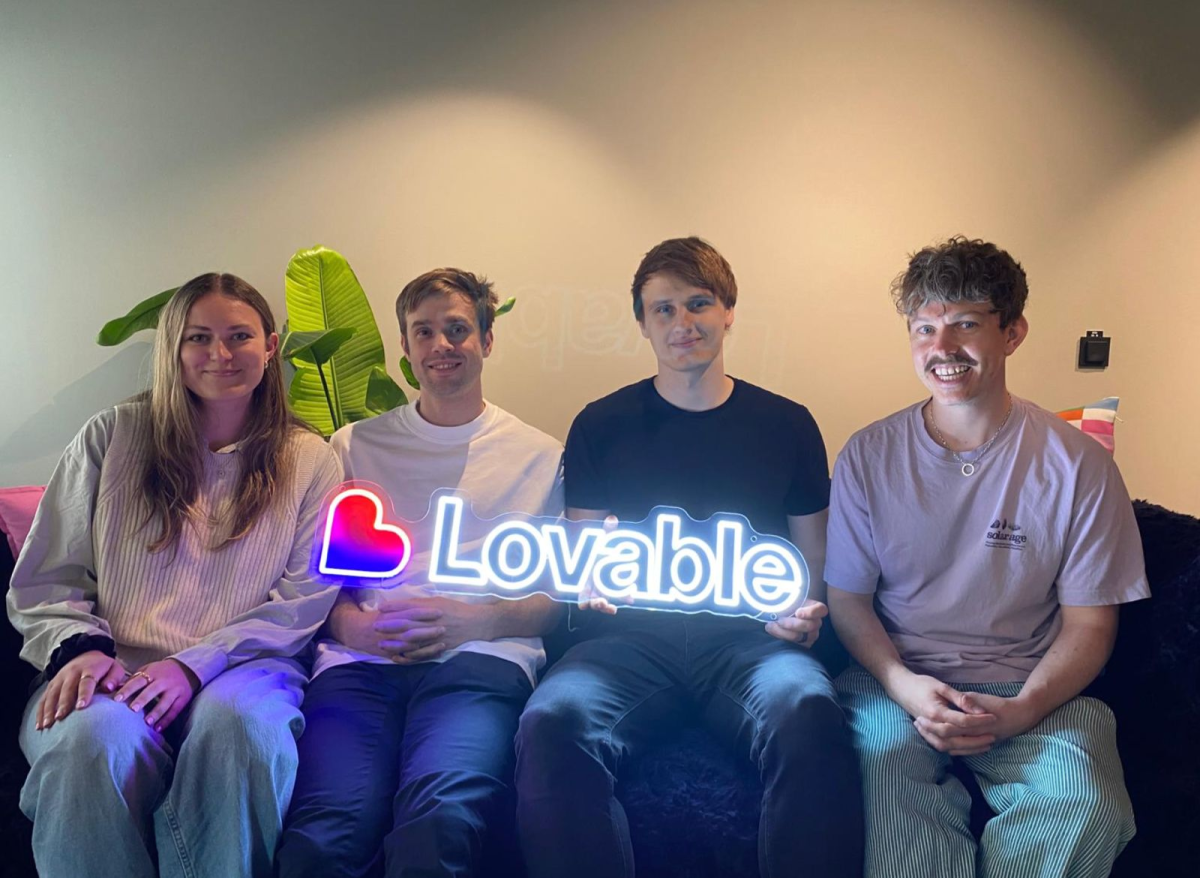
The software development world just witnessed something unprecedented. A European startup called Lovable reached $20 million in annual recurring revenue in just two months, making it potentially the fastest-growing startup in European history. But here's the twist that's making traditional software agencies nervous: they did it by giving non-technical founders the power to build full-stack applications without writing a single line of code. For years, the promise of no-code tools has been the same: anyone can build an app. But the reality has always been different. You'd create a beautiful frontend, get excited about your progress, and then hit the technical cliff. Suddenly you needed to configure databases, set up authentication, manage API keys, and deploy to servers. The "no-code" dream became a "hire-a-developer-anyway" nightmare.
Forty million dollars in annual recurring revenue. Six months. One browser-based platform. Those numbers would be impressive for any software company, but for Bolt.new, they represent something more significant: the moment when development environments moved permanently into the cloud and never looked back. Traditional software development has always required setup. Install Node.js, configure your environment, manage dependencies, set up local servers, troubleshoot version conflicts. Before writing a single line of code, developers spend hours or even days preparing their machines. Junior developers often spend their first week just getting their environment working. Bolt.new eliminated all of that with WebContainers technology.
Does anyone else find it slightly ironic that we are debating which AI subscription is worth $100 per month when the productivity gains from either tool could easily exceed that in the first hour of the billing cycle?
As someone who works in open source software maintenance, I want to be genuinely excited about this and I mostly am. The donation to open source foundations is a real thing, not just a press release line. But the day-to-day reality of a small team trying to respond to AI-discovered vulnerabilities at scale is daunting.
The comparison to iMessage is kind of funny. Apple shows full edit history. Instagram shows a tiny grey tag. One of these is actually transparent.
The artificial intelligence industry is entering a new phase of competition, one that extends far beyond the development of advanced language models and neural networks. Companies are now engaged in an intense struggle to secure the computational infrastructure necessary to train and deploy their AI systems. In this context, Anthropic has reportedly begun exploring the possibility of designing and manufacturing its own specialized processors to power Claude, its flagship conversational AI platform, along with its broader suite of artificial intelligence technologies. This strategic consideration emerges at a critical moment in the global AI sector. The exponential growth in model complexity and capability has created unprecedented demand for high-performance computing resources. Sources familiar with the matter indicate that Anthropic is conducting feasibility studies to determine whether developing proprietary semiconductor technology could reduce its dependence on external hardware vendors while ensuring reliable access to the computing power required for its operations.