
I wonder how much of the cognitive decline concern in younger people is real neurological change versus just the experience of an attention environment that is hostile to sustained focus. Those might require very different interventions.
Sign up to see more
SignupAlready a member?
LoginBy continuing, you agree to Sociomix's Terms of Service, Privacy Policy
Sign up to see more
SignupAlready a member?
LoginBy continuing, you agree to Sociomix's Terms of Service, Privacy Policy

I wonder how much of the cognitive decline concern in younger people is real neurological change versus just the experience of an attention environment that is hostile to sustained focus. Those might require very different interventions.
Will the Michael Jackson biopic sequel actually address the 1993 allegations or will it dodge them too?
Bohemian Rhapsody has the edge for casual viewers because it at least has a narrative arc that builds to something. Michael is more of a front loaded visual experience where the drama runs out of runway before the third act.
Reminded me of when I tried explaining to a non-artist friend why AI training on scraped artwork without consent feels like theft. She did not fully get it until I described it as someone profiting enormously from your discarded concepts without credit. Copycat captures that feeling exactly.
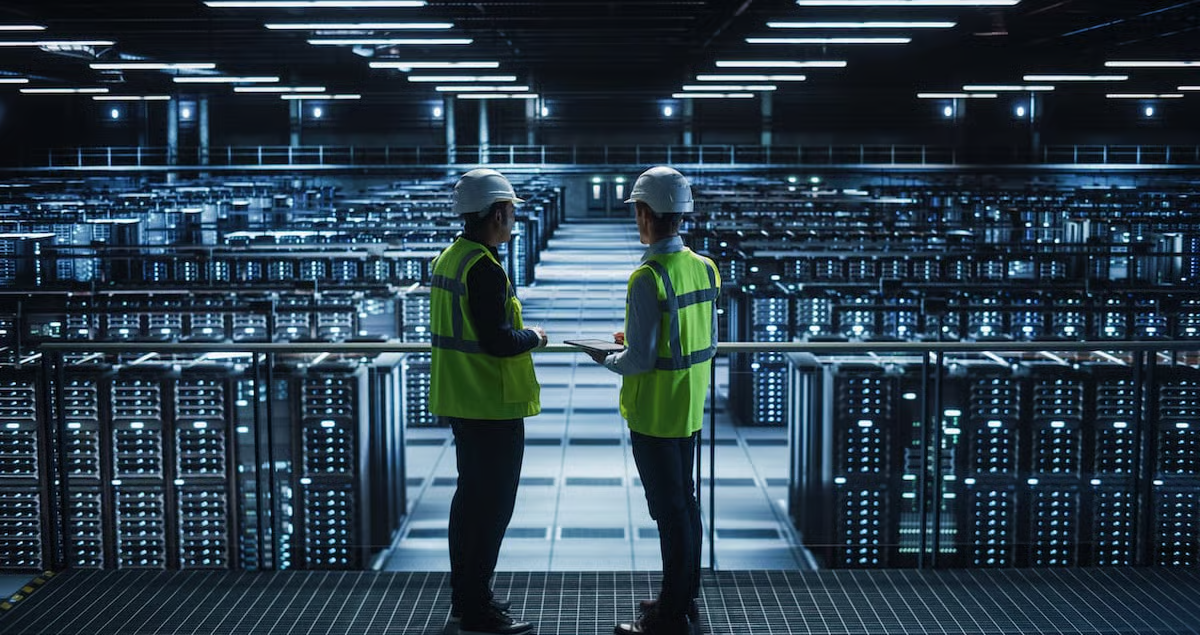
The technology sector is experiencing a paradox. While headlines scream about mass layoffs at major tech companies, a critical shortage is quietly building in one of the most essential areas of digital infrastructure. Datacenters, the physical backbone of our digital world, are facing an unprecedented demand surge, and there simply are not enough skilled professionals to build and maintain them. Countries across the globe are rushing to establish their own datacenter infrastructure. From India's ambitious plans to become a datacenter hub to the European Union's push for data sovereignty, and emerging markets in Southeast Asia and Latin America building their first large scale facilities, the construction boom is just beginning.
Hot take. Seoul Station's Necromancer handles the overpowered protagonist better than Solo Leveling because Woojin's ruthlessness has actual consequences rather than everyone just being awed by him constantly.
That question is the thematic heart of so many great romance stories and this series has set itself up to explore it from an angle that is actually unusual. I hope it commits to the uncomfortable answer rather than giving everyone a clean resolution.
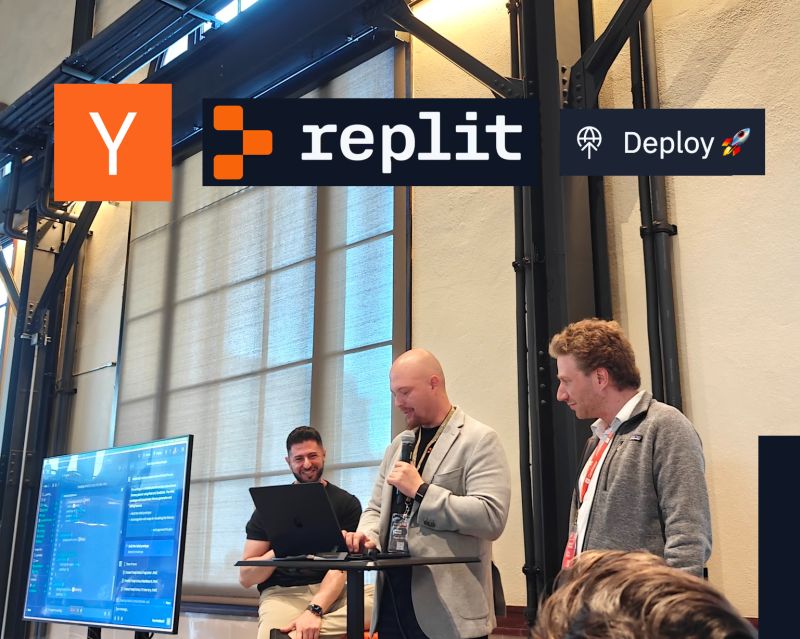
The vibe coding wave is real and Replit is riding it harder than anyone. Andrej Karpathy named the trend and now the entire dev tooling space is scrambling to own it.
On the Figma import question, my experience is that standard layouts and component-heavy screens convert pretty cleanly. Anything with custom animations or really artistic layouts still needs manual work. It is not magic but it is faster than starting from scratch.
When a company's revenue jumps from $10 million to $100 million in nine months, you pay attention. When that growth comes from an AI agent that builds entire applications autonomously, you realize something fundamental just changed in software development. Replit Agent represents that change, and the numbers prove developers are ready for it. Replit started as a browser-based coding environment for education. Students could write Python or JavaScript without installing anything locally. Teachers loved it because setup time vanished. But the company saw something bigger. If you could run code in the browser, why not let AI write that code? That question led to Agent 3, an AI that doesn't just suggest code completions. It builds entire applications from scratch.
To the person asking about mobile, they launched a full mobile development workflow in early 2026 where you can preview apps on device and submit directly to the App Store. Still early but I have tested it and it is legitimately functional.
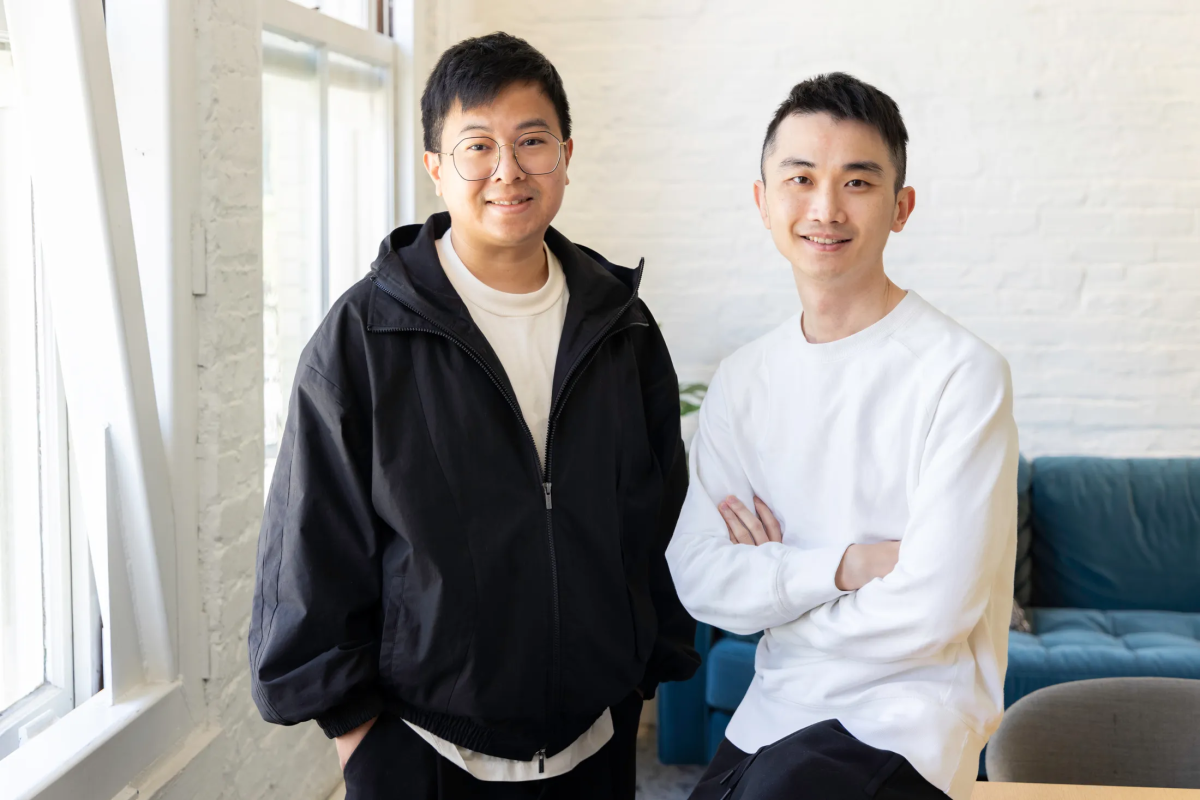
While Synthesia leads in revenue, HeyGen leads in customer acquisition momentum with 152% year-over-year growth in mid-market adoption. That explosive growth rate allowed HeyGen to close much of the customer count gap by late 2025. The company is winning by making avatar video accessible to smaller teams and individual creators who cannot afford enterprise contracts but need professional video capabilities. HeyGen positioned itself for small and medium businesses, marketing teams, content creators, and solo entrepreneurs rather than enterprise learning and development departments. This market segment values affordability, ease of use, and creative flexibility over governance features and advanced integrations. Average contract values are roughly one-third of Synthesia's, reflecting this different customer profile.
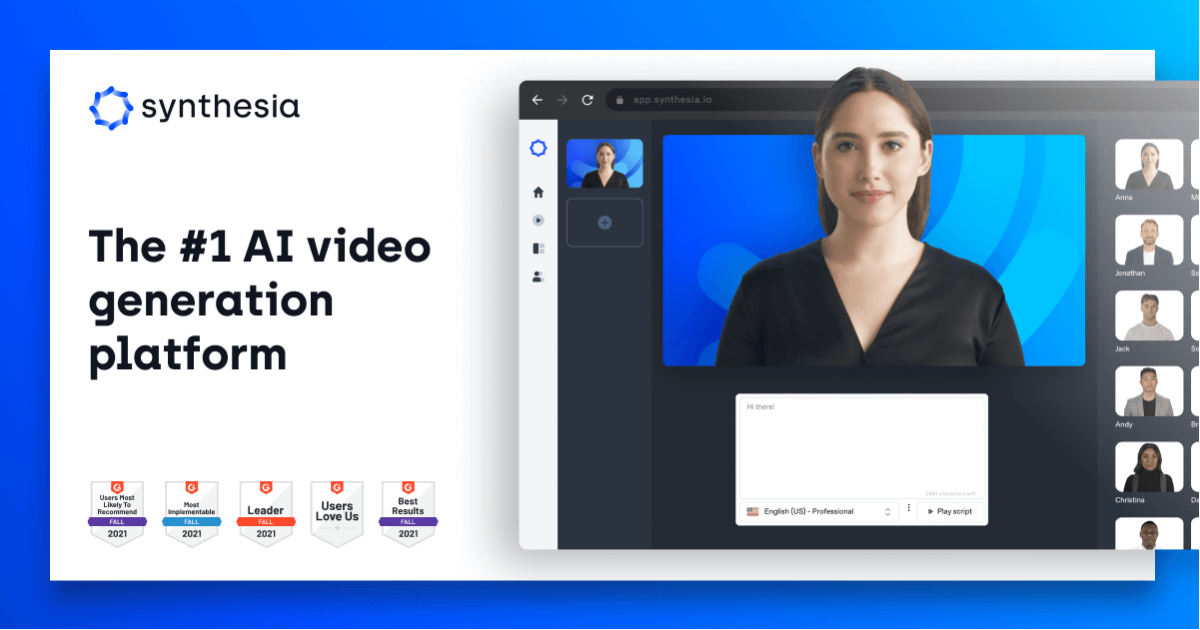
When a company raises $200 million in Series E funding during January 2026, investors are betting on more than potential. They're backing proven market demand and sustainable growth. Synthesia's funding round came alongside a 44% year-over-year increase in headcount to 706 employees, signaling aggressive expansion in a category the company essentially created: AI avatar-based video generation for enterprise training and communications. Corporate training videos have been expensive and slow to produce for decades. Recording a single 10-minute training module traditionally required booking a studio, hiring a presenter, scheduling a videographer, managing multiple takes, and editing everything together. If you needed to update information or translate content, you essentially started over. Synthesia eliminated this entire production workflow by replacing human presenters with AI avatars.
There's a photograph from February 2026 that pretty much sums up the state of AI right now. At the India AI Impact Summit in New Delhi, Indian Prime Minister Narendra Modi invited the world's tech leaders onstage for a group photo. Everyone held hands. Well, almost everyone. Sam Altman of OpenAI and Dario Amodei of Anthropic, standing right next to each other, refused to clasp hands and instead raised their fists separately. The internet, predictably, lost its mind. An awkward moment between OpenAI CEO Sam Altman and Anthropic CEO Dario Amodei at an AI Summit captured the increasingly icy relations between two rival tech leaders who started off as colleagues. That's not just petty drama. It's a window into what may be the most consequential corporate rivalry in the technology world right now, one that's playing out in boardrooms, courtrooms, Super Bowl ads, and billion-dollar compute deals all at once.
My take is that TikTok is calculating that regulators matter more to their business right now than privacy advocates do. And honestly given the heat they have been under politically, that is probably a rational short-term calculation.
In a rare divergence from industry norms, TikTok has confirmed it will not adopt end-to-end encryption (E2EE) for direct messages, breaking with nearly every major social media platform and reigniting one of the tech industry's most contentious debates. The Chinese-owned video platform told the BBC exclusively that it believes the privacy technology championed by Meta, Apple, and others as essential for user protection actually makes users less safe by creating "dark spaces" where harmful content can flourish beyond the reach of safety teams and law enforcement. The decision puts TikTok in direct opposition to its competitors while potentially exposing the company to fresh criticism over data protection, particularly given ongoing concerns about its ties to Beijing.
Yes! The Meta reversal on Instagram encryption happened around the same time and barely made headlines compared to TikTok. The double standard in coverage is genuinely strange.
The slicked back bun is doing so much work in every photo. It removes distraction completely and forces the clothes and the architecture of the look to speak.
Join independent creators, thought leaders, and storytellers to share your unique perspectives, and spark meaningful conversations.