
Something nobody is saying loudly enough, chronic loneliness is one of the strongest predictors of cognitive decline and it costs nothing to fix except time and intentionality. No wearable closes that gap.
7
Sign up to see more
SignupAlready a member?
LoginBy continuing, you agree to Sociomix's Terms of Service, Privacy Policy

Something nobody is saying loudly enough, chronic loneliness is one of the strongest predictors of cognitive decline and it costs nothing to fix except time and intentionality. No wearable closes that gap.
Saying Gosu needs to distinguish itself in a crowded martial arts anime landscape is true but also dismisses how much the murim setting distinguishes itself by default from Japanese martial arts frameworks.
God of High School's later arcs went off the rails visually though. Power scaling became so abstract the fights stopped being readable. Nano Machine maintains clarity even as the scale grows, which is exactly what GodHS lost.
Thomas Andre having beef with Suho is genuinely one of the better recurring tension sources in the current arc. Old generation versus new generation framed as a competitive dungeon race is such a good setup.
The Blade God confrontation chapters are peak Nano Machine visually. If those chapters do not sell you on the art nothing will.
Second Life Ranker hits different after you've read Solo Leveling because you appreciate just how much more emotionally grounded Yeonwoo's motivation is compared to Jinwoo's at the start.
Physical realism in water and liquids is the tell for me. Pour a drink in the wrong AI model and it looks like mercury flowing in zero gravity. Gen-4.5 actually makes it look like water. Small thing but it breaks the illusion completely when it is wrong.
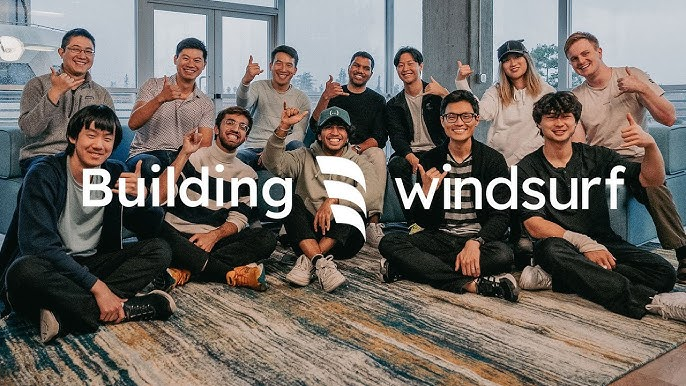
Developers have a new anxiety in 2026: token anxiety. You're in the middle of debugging a complex problem, the AI is helping you refactor three files simultaneously, and suddenly you wonder if this session is about to cost you $50. That mental tax slows you down and makes you second-guess using the tool you're paying for. Windsurf eliminated that anxiety with a simple decision: flat monthly pricing with no token limits. Fifteen dollars per month. Unlimited usage. No tracking credits or calculating costs per query. That pricing model sounds almost boring compared to the complex token systems other AI coding tools use, but boring is exactly what professional developers want when it comes to pricing. They want predictable costs and unlimited usage so they can focus on writing code instead of budgeting AI queries.
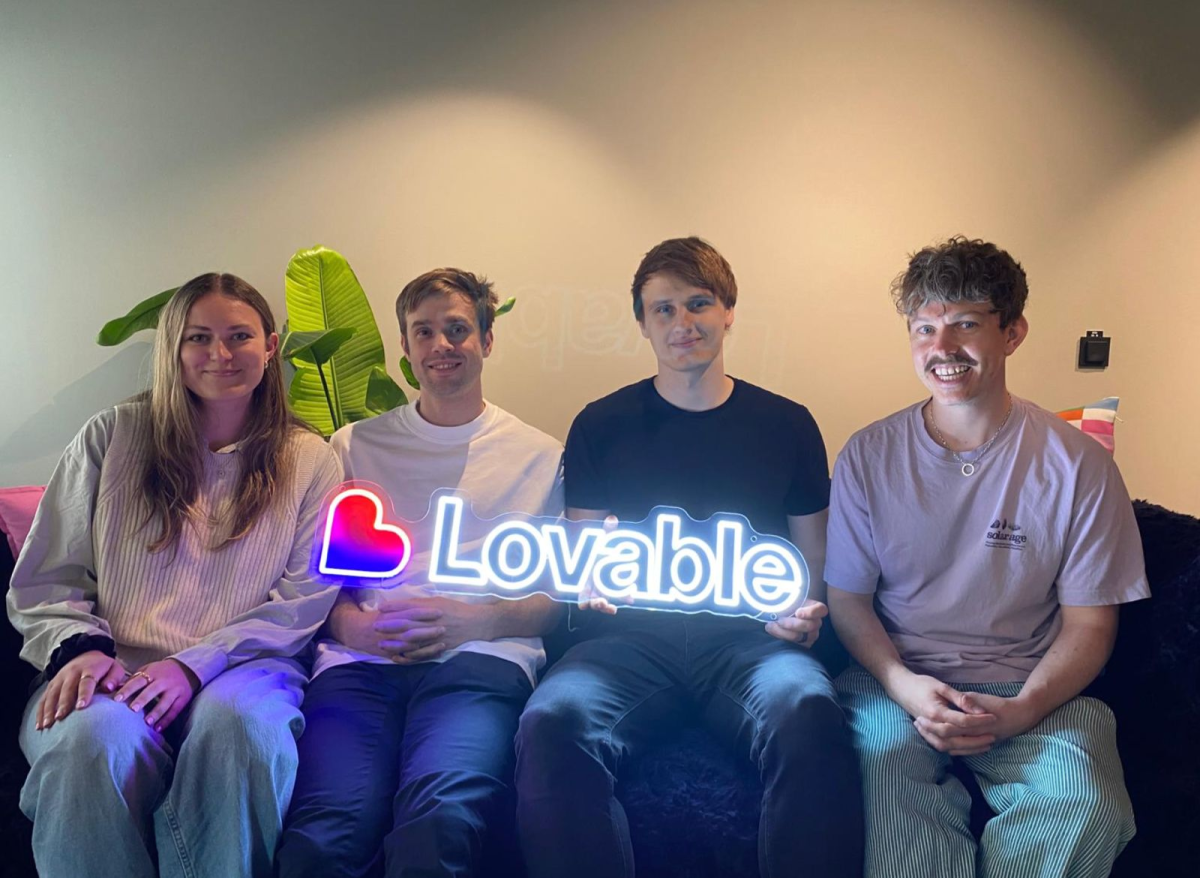
The software development world just witnessed something unprecedented. A European startup called Lovable reached $20 million in annual recurring revenue in just two months, making it potentially the fastest-growing startup in European history. But here's the twist that's making traditional software agencies nervous: they did it by giving non-technical founders the power to build full-stack applications without writing a single line of code. For years, the promise of no-code tools has been the same: anyone can build an app. But the reality has always been different. You'd create a beautiful frontend, get excited about your progress, and then hit the technical cliff. Suddenly you needed to configure databases, set up authentication, manage API keys, and deploy to servers. The "no-code" dream became a "hire-a-developer-anyway" nightmare.
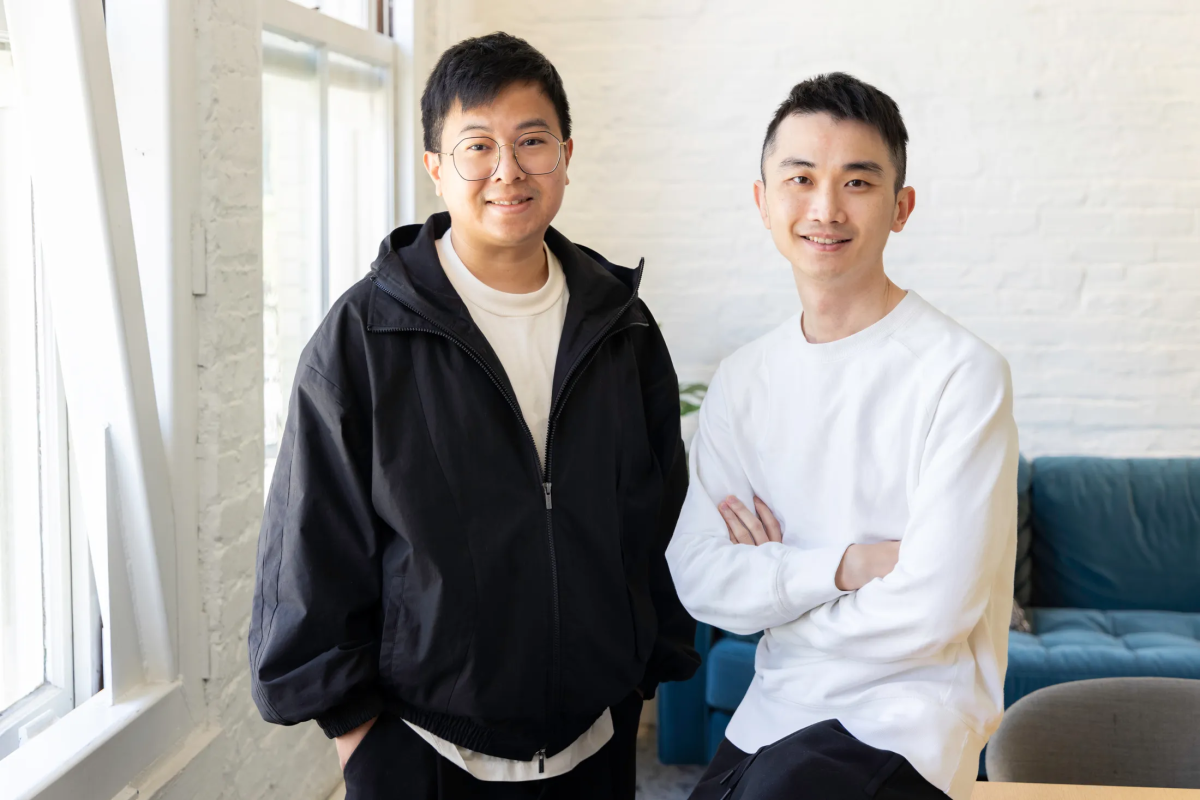
While Synthesia leads in revenue, HeyGen leads in customer acquisition momentum with 152% year-over-year growth in mid-market adoption. That explosive growth rate allowed HeyGen to close much of the customer count gap by late 2025. The company is winning by making avatar video accessible to smaller teams and individual creators who cannot afford enterprise contracts but need professional video capabilities. HeyGen positioned itself for small and medium businesses, marketing teams, content creators, and solo entrepreneurs rather than enterprise learning and development departments. This market segment values affordability, ease of use, and creative flexibility over governance features and advanced integrations. Average contract values are roughly one-third of Synthesia's, reflecting this different customer profile.
Cautiously hopeful on the open source angle specifically. The Linux Foundation being a launch partner and Anthropic donating to the Apache Software Foundation and Alpha-Omega suggests someone in that room understood that most critical infrastructure runs on code maintained by volunteers with no security budget.
Honestly the 15 minute window is fine for fixing typos but it feels a little arbitrary. Why not 30? Why not an hour? Did someone at Meta just spin a wheel?
OpenAI releasing this tier the same week Sam Altman posted about 3 million Codex users is very deliberate optics management. They wanted a growth story and a product announcement in the same news cycle.
Meta has just had one of its most important AI moments yet and the early signals are hard to ignore. Following the launch of its newest AI model Muse Spark, the company’s standalone Meta AI app surged dramatically in popularity, hinting at a much larger shift that is beginning to take shape. The release is particularly significant because it marks the first major AI model rollout under Alexandr Wang, who joined Meta to reboot its AI strategy. This is not just another incremental update. It represents a more aggressive and focused push into the AI race. According to data from Appfigures, Meta AI jumped from number 57 to number 5 on the U.S. App Store within a day of the launch. That kind of movement rarely happens without a strong underlying pull from users. It signals not curiosity but intent.
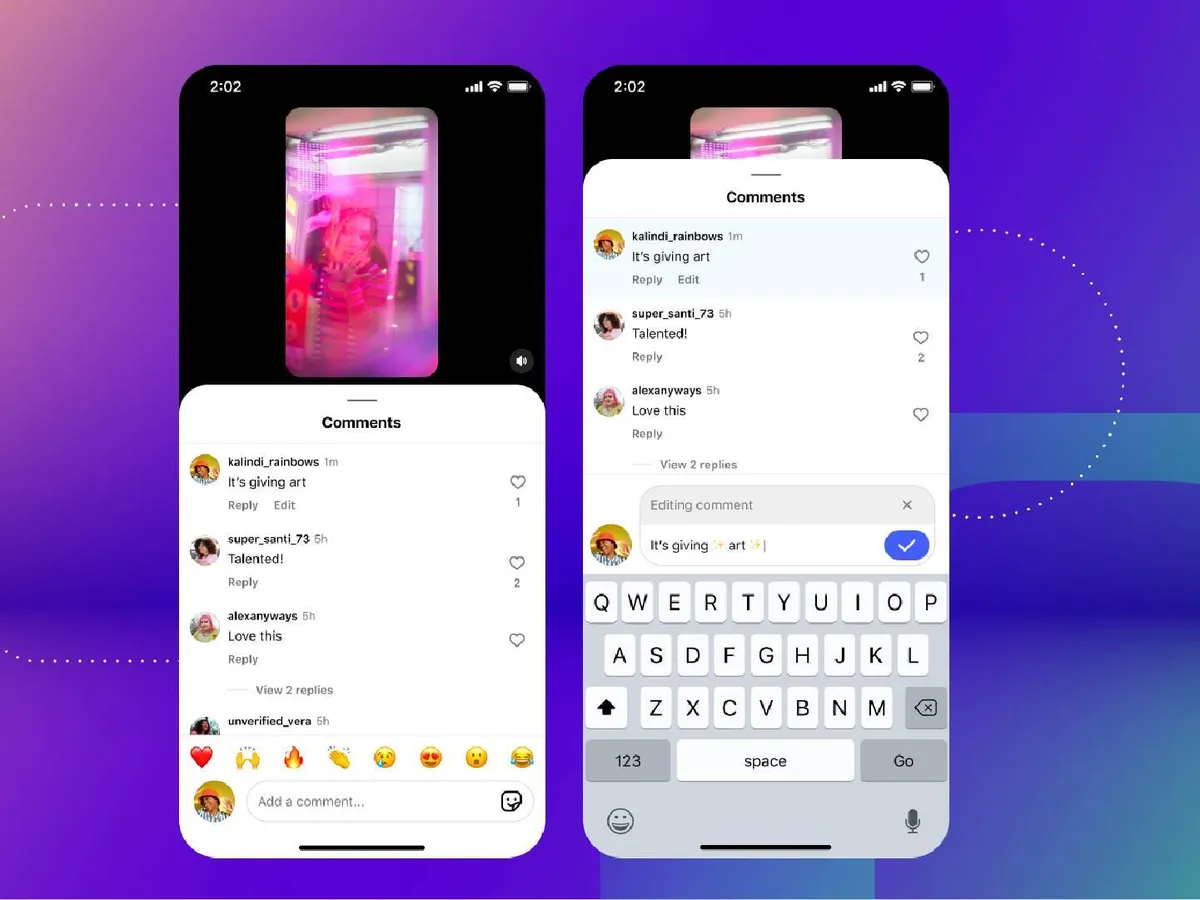
Instagram has rolled out a small but long overdue feature that users have been asking for years. You can now edit your comments after posting them. This simple change solves a very real frustration. Until now, fixing even the smallest typo meant deleting your comment and writing it all over again. That friction is finally gone. But there is a boundary. You get a 15 minute window after posting to make edits. Within that time, you can update your comment as many times as you want. There is also a layer of transparency built in. Once a comment is edited, others will be able to see that it has been modified. However, unlike platforms such as iMessage, Instagram does not show the edit history. What was originally written stays hidden.
Yes! The Meta reversal on Instagram encryption happened around the same time and barely made headlines compared to TikTok. The double standard in coverage is genuinely strange.
Finally an outfit that combines comfort and style! My feet thank you for choosing practical shoes
I've been looking for a dress like this forever! Do you think it would work for a petite frame or would it overwhelm me?