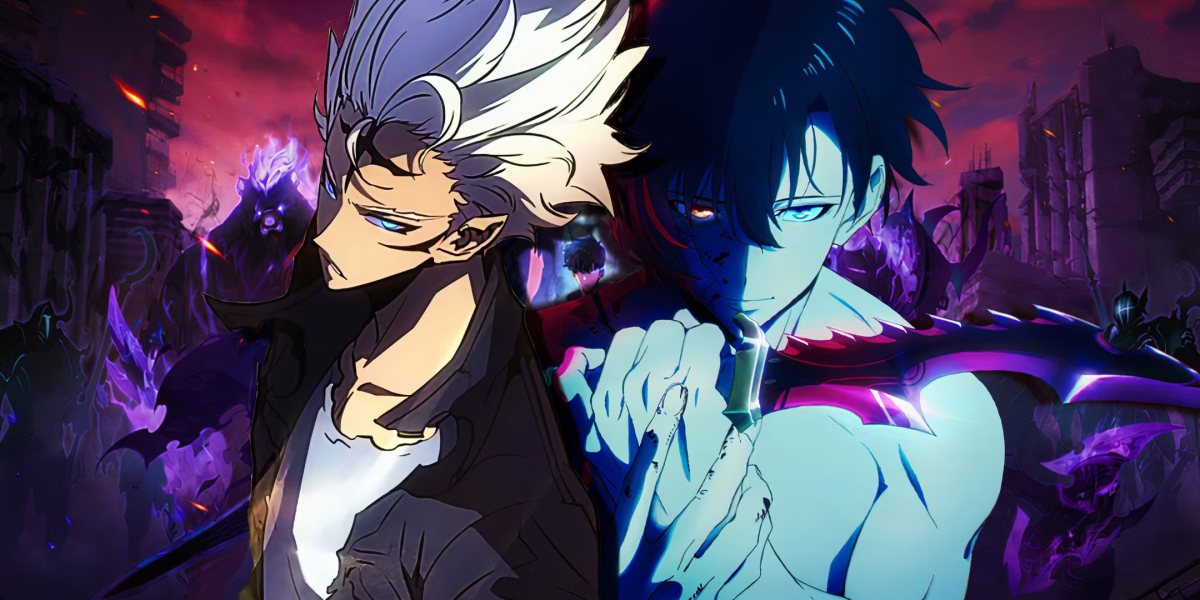

Solo Leveling winning anime of the year at the Crunchyroll Awards in 2025 set a high bar for manhwa adaptations. ORV needs to match or beat that quality or the fandom is going to be brutal.
Sign up to see more
SignupAlready a member?
LoginBy continuing, you agree to Sociomix's Terms of Service, Privacy Policy

Solo Leveling winning anime of the year at the Crunchyroll Awards in 2025 set a high bar for manhwa adaptations. ORV needs to match or beat that quality or the fandom is going to be brutal.
When Tomb Raider King first exploded onto the manhwa scene, it brought a fresh take on dungeon crawling stories by combining archaeological adventure with ruthless protagonist energy and a treasure-hunting premise that felt genuinely different from typical gate and dungeon narratives. The series built a dedicated fanbase through its satisfying blend of historical artifact powers, strategic relic acquisition, and a protagonist who wasn't afraid to be morally gray in pursuit of his goals. Now, with the anime adaptation confirmed for 2026 as one of the most anticipated manhwa-to-anime projects, Tomb Raider King is experiencing a resurgence. New readers are discovering the series while longtime fans eagerly await seeing Jooheon Suh's relic-hunting adventures brought to life with animation. The timing couldn't be better, as the series has built enough content to support a substantial adaptation while maintaining momentum in its ongoing storyline.
The manhwa world exploded when Solo Leveling first introduced us to Sung Jinwoo's journey from the weakest hunter to humanity's strongest defender. Now, Solo Leveling Ragnarok brings a fresh perspective to this beloved universe, and fans everywhere are asking the same questions. Can the sequel live up to the original? Do you need to read Solo Leveling first? What makes this continuation worth your time? This guide covers everything you need to know about Solo Leveling Ragnarok, whether you're a longtime fan or someone curious about jumping into the series Solo Leveling Ragnarok is not a reboot or alternate timeline. This is a direct sequel that continues the story years after the original series concluded. The protagonist shifts from Sung Jinwoo to his son, Sung Suho, who must forge his own path in a world still recovering from the catastrophic events his father prevented.
Tried to make a video for a product launch last month and hit the rendering queue at peak hours. For solo creators that is fine. For agencies with client deadlines it is a real operational risk that the article does not mention.
The voice cloning ethics question is one the article completely sidesteps. Overdub is disclosed as a tool to fix your own recordings but the potential for misuse is real and regulators are starting to pay attention to AI voice cloning generally.
If you're new to manhwa or looking to understand what all the hype is about regarding system and leveling stories, you've arrived at exactly the right place. The system genre has become one of the most popular and accessible entry points into Korean comics, offering clear progression mechanics, satisfying power growth, and narratives that feel like playing your favorite RPG or video game brought to life on the page. System manhwa feature protagonists who gain access to game-like interfaces that display stats, skills, quests, and levels. These systems provide clear frameworks for character growth and power progression. You can literally see the protagonist getting stronger through numbers increasing, new abilities unlocking, and challenges being overcome. This visual and concrete progression creates deeply satisfying reading experiences that hook readers from the first chapter.
The article frames this as a story about Replit but it is really a story about what happens when AI models finally get good enough to close the autonomous feedback loop. The real estate changed, Replit just happened to be standing on it.
Honestly the biggest story buried in this article is that a hundred-person company is beating organizations with AI research budgets in the tens of billions. The efficiency argument for focused teams versus sprawling labs is being proved in real time.
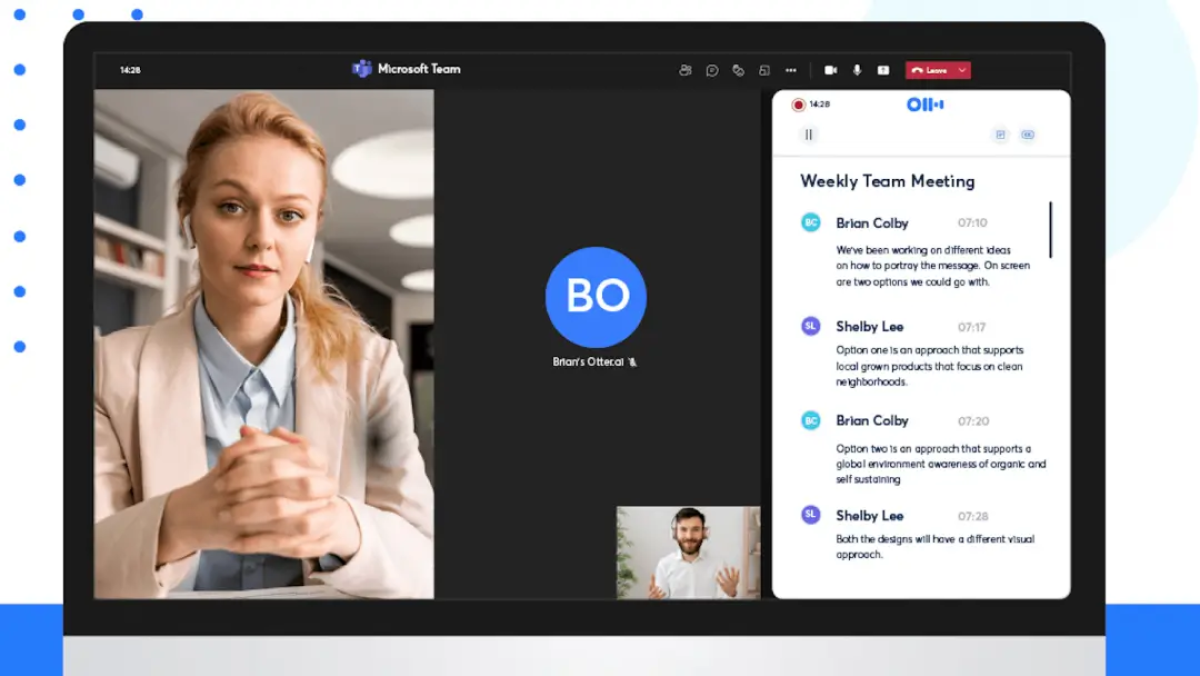
Knowledge workers spend an average of 18 hours per week in meetings. Much of that time involves routine status updates, recurring check-ins, and informational sessions where your physical presence adds minimal value. Otter.ai introduced a provocative concept called OtterPilot: an AI assistant that joins meetings autonomously when you can't attend, records everything, generates summaries, and answers questions about what happened. Connect Otter.ai to your calendar. The system monitors your scheduled meetings and automatically joins Zoom, Google Meet, or Microsoft Teams calls when they start. OtterPilot records audio, generates real-time transcripts, identifies speakers, and creates AI summaries with action items. You receive a meeting briefing without attending the meeting yourself.
The cybersecurity program finding thousands of zero days in weeks makes me simultaneously grateful Anthropic exists and terrified about what happens when a less careful organization builds something similar.
Does anyone else find it slightly ironic that a company founded on AI safety concerns is now building some of the most powerful autonomous hacking tools ever created, even if the intent is defensive? Where exactly is the safety-first line drawn?
CUDA is a moat but even Jensen Huang has publicly said he worries about competition. When the CEO of the dominant company in a market says he is worried, you should probably listen.
The shopping mode integration is clever and slightly terrifying. Meta already knows what you like based on what you scroll past on Instagram. Now the AI can cross-reference that to recommend products. That is either extremely useful or extremely invasive depending on where you stand.
The window between vulnerability discovery and active exploitation has collapsed from months to minutes. That single sentence from the Mythos disclosure should be on the front page of every financial regulator's briefing book.
the reasoning transparency feature in Claude Code is something I initially thought was a gimmick and now consider non-negotiable. Watching the model think through architectural decisions changed how I review its output.
The article asks what Paris says about the future. My guess is a lot more of this. More curated appearances, fewer of them, each one very deliberate. That is a more interesting public presence than the constant content cycle.
I've been looking for a pinafore like this forever! Where can I find one that's good quality but won't break the bank?
Can we talk about that sunglasses bag? Such a conversation starter! I'd love to know where to find it