
Honestly felt seen reading the part about calorie apps making you miserable. I spent three years logging every bite and lost basically nothing while feeling constantly surveilled by my own phone.
22
Sign up to see more
SignupAlready a member?
LoginBy continuing, you agree to Sociomix's Terms of Service, Privacy Policy

Honestly felt seen reading the part about calorie apps making you miserable. I spent three years logging every bite and lost basically nothing while feeling constantly surveilled by my own phone.
Genuinely think the regression genre has had more narrative innovation in the past two years than any other manhwa subgenre. The murim regression scene in particular keeps finding new angles on a formula that should feel exhausted by now.
Preordering the Yen Press physical volume is probably the cleanest option for English readers right now. It's coming July 2026 and signals to publishers that the demand is real.
The post is clearly written by someone who loves the source material and that enthusiasm is infectious even where the facts drift from what is actually confirmed.
The adaptation was originally supposed to drop in the second half of 2025 and we still have no confirmed release date. My hype has officially entered survival mode.
In a manhwa landscape dominated by dungeon crawling, regression narratives, and power fantasies, The Greatest Estate Developer stands out by asking a simple question: what if the protagonist's greatest weapon wasn't a sword or magic system, but civil engineering knowledge? This bizarre premise transforms into one of the most entertaining, genuinely funny, and surprisingly heartfelt series currently running, proving that innovation in storytelling comes from unexpected places. The series takes the familiar isekai setup where a modern person finds themselves in a fantasy world and completely subverts expectations. Instead of becoming an adventurer or hero, protagonist Kim Suho uses his engineering knowledge to revolutionize construction, infrastructure, and economic development. What sounds like it should be boring becomes absolutely captivating through sharp writing, excellent comedic timing, and genuine passion for showing how infrastructure improves lives.

The fact that both Tomb Raider King and Solo Leveling come from Redice Studio is either a sign of how talented that studio is or how much they have influenced what modern manhwa looks and feels like. Maybe both.
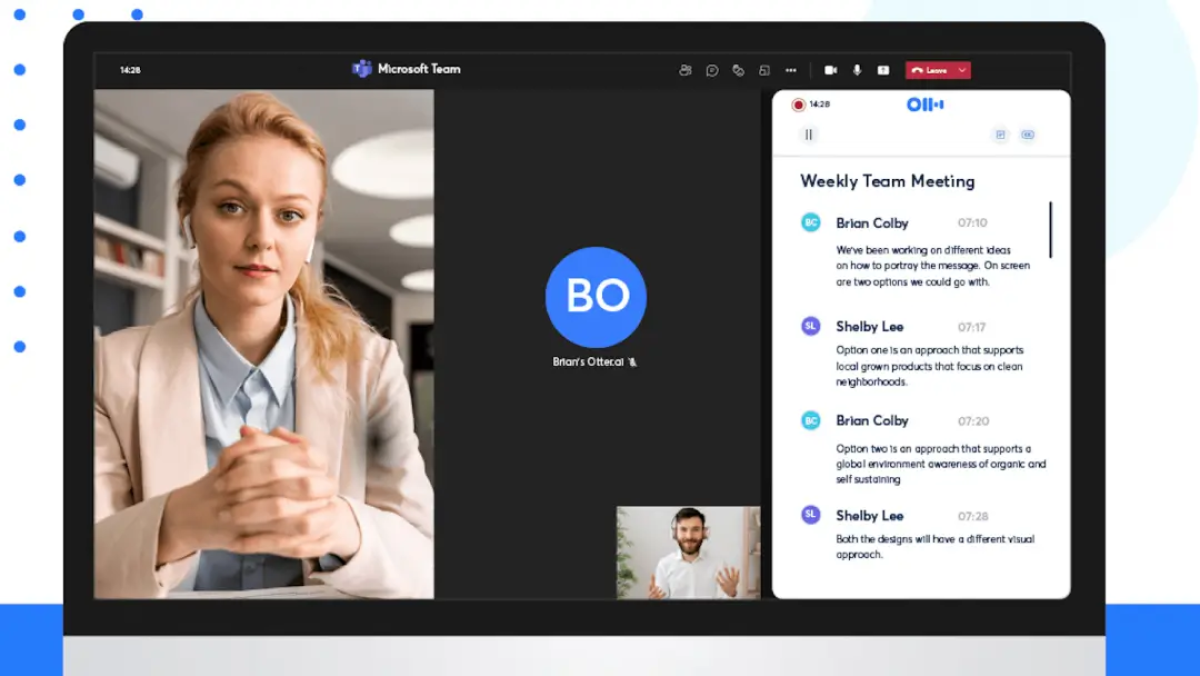
Knowledge workers spend an average of 18 hours per week in meetings. Much of that time involves routine status updates, recurring check-ins, and informational sessions where your physical presence adds minimal value. Otter.ai introduced a provocative concept called OtterPilot: an AI assistant that joins meetings autonomously when you can't attend, records everything, generates summaries, and answers questions about what happened. Connect Otter.ai to your calendar. The system monitors your scheduled meetings and automatically joins Zoom, Google Meet, or Microsoft Teams calls when they start. OtterPilot records audio, generates real-time transcripts, identifies speakers, and creates AI summaries with action items. You receive a meeting briefing without attending the meeting yourself.
Just here to say that as a non-technical founder who has tried to hire developers three separate times in the past four years and gotten burned each time, this feels like a personal vindication.
Started a SaaS product six weeks ago. Have paying customers. Hiring my first employee next month. Did not write any code. The economic opportunity here is real and it is available right now.
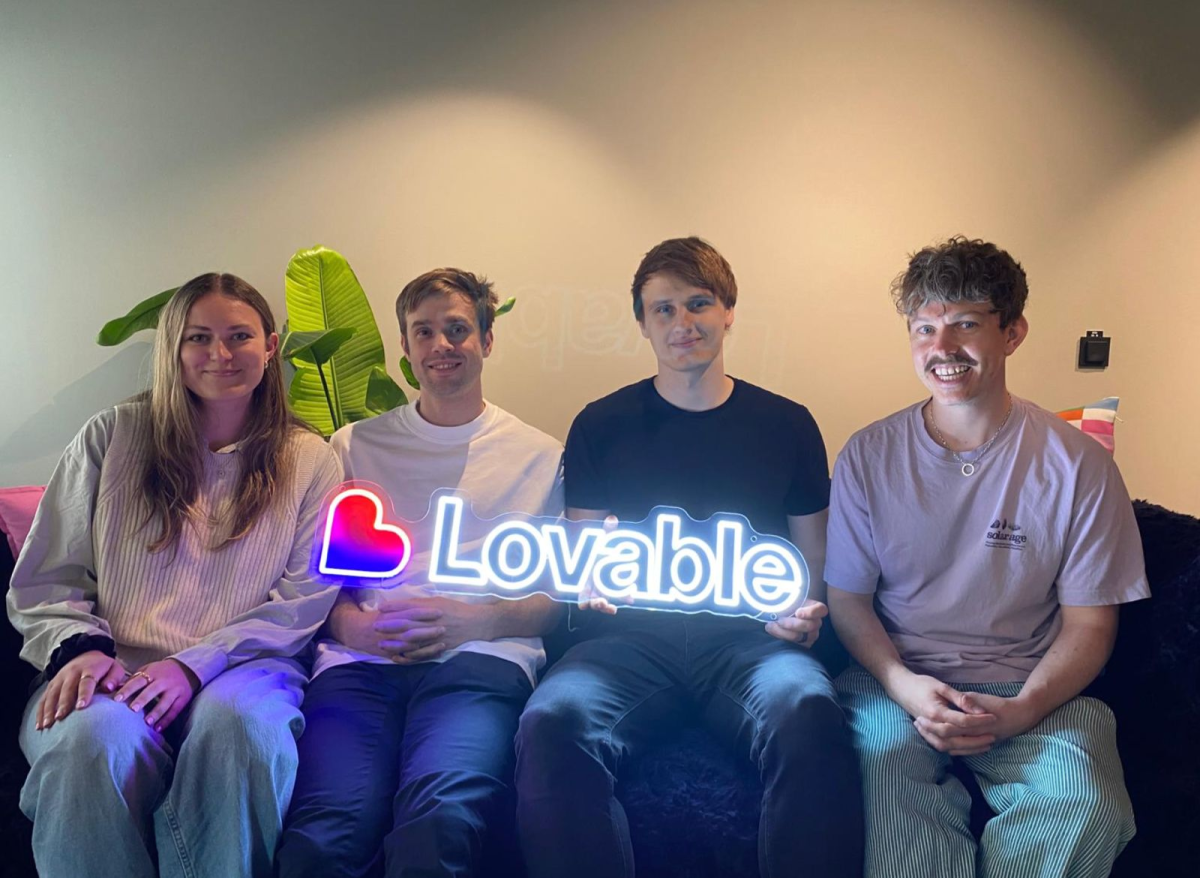
The software development world just witnessed something unprecedented. A European startup called Lovable reached $20 million in annual recurring revenue in just two months, making it potentially the fastest-growing startup in European history. But here's the twist that's making traditional software agencies nervous: they did it by giving non-technical founders the power to build full-stack applications without writing a single line of code. For years, the promise of no-code tools has been the same: anyone can build an app. But the reality has always been different. You'd create a beautiful frontend, get excited about your progress, and then hit the technical cliff. Suddenly you needed to configure databases, set up authentication, manage API keys, and deploy to servers. The "no-code" dream became a "hire-a-developer-anyway" nightmare.
The artificial intelligence industry is entering a new phase of competition, one that extends far beyond the development of advanced language models and neural networks. Companies are now engaged in an intense struggle to secure the computational infrastructure necessary to train and deploy their AI systems. In this context, Anthropic has reportedly begun exploring the possibility of designing and manufacturing its own specialized processors to power Claude, its flagship conversational AI platform, along with its broader suite of artificial intelligence technologies. This strategic consideration emerges at a critical moment in the global AI sector. The exponential growth in model complexity and capability has created unprecedented demand for high-performance computing resources. Sources familiar with the matter indicate that Anthropic is conducting feasibility studies to determine whether developing proprietary semiconductor technology could reduce its dependence on external hardware vendors while ensuring reliable access to the computing power required for its operations.

The attackers broke down the attack into small seemingly innocent tasks so Claude would execute them without full context. That technique is going to be the template for AI-enabled intrusions for years. The jailbreak vector is the underrated threat.
Speaking as someone who has followed Anthropic since its founding, the tension between their safety-first roots and the realities of competing at the frontier has never been more visible than it is this week. They are threading a genuinely difficult needle.
The fact that every bank CEO who attended declined to say anything to the press tells you everything about the severity of what was presented in that room.
Anthropic on Tuesday unveiled an advanced artificial intelligence model designed specifically to identify software vulnerabilities, marking a significant development in the intersection of AI and cybersecurity. The model, named Claude Mythos Preview, will be available exclusively to a carefully selected group of companies as part of Project Glasswing, a new security initiative that aims to strengthen digital defenses while preventing malicious exploitation. The San Francisco based AI company has chosen to severely restrict access to Claude Mythos Preview due to its powerful capability to detect security weaknesses and software flaws. This decision reflects growing concerns about dual use AI technologies that could be weaponized by adversaries if they fell into the wrong hands.

Not sure about mixing the embellished flats with such a busy top. Maybe plain ballet flats would be better?