
Speaking from experience reading long-form web serials, the transition from 3000 plus chapters of source material to even a generous anime runtime requires brutal editorial choices. What gets cut will define the adaptation more than what stays.
Sign up to see more
SignupAlready a member?
LoginBy continuing, you agree to Sociomix's Terms of Service, Privacy Policy
Sign up to see more
SignupAlready a member?
LoginBy continuing, you agree to Sociomix's Terms of Service, Privacy Policy

Speaking from experience reading long-form web serials, the transition from 3000 plus chapters of source material to even a generous anime runtime requires brutal editorial choices. What gets cut will define the adaptation more than what stays.
Runway raised $315 million at a $5.3 billion valuation in February 2026 which tells you investors see this benchmark lead as real. That is not money chasing hype, that is money chasing actual enterprise adoption.
Good question, actually. Their AI dubbing supports around 30 languages with proper lip sync, and the full text to speech library covers 140 plus. So the experience quality does vary depending on which tier of language support you are using.
Hard agree on the emotional earning point. The deaths in this series hit because you understand why the person mattered before they go. They are not props.
Cautiously optimistic is where I land on the anime. The teaser looked promising but we have all been burned before by adaptations that look great in a 90 second clip and then disappoint over a full season.
Hot take: the agency model is not dead but agencies that do not adapt to become AI orchestrators and quality assurance layers will absolutely be gone within five years.
The real test is whether the code Windsurf produces survives code review with a senior engineer who did not use the AI. That is the bar I care about, not a marketing score out of ten.
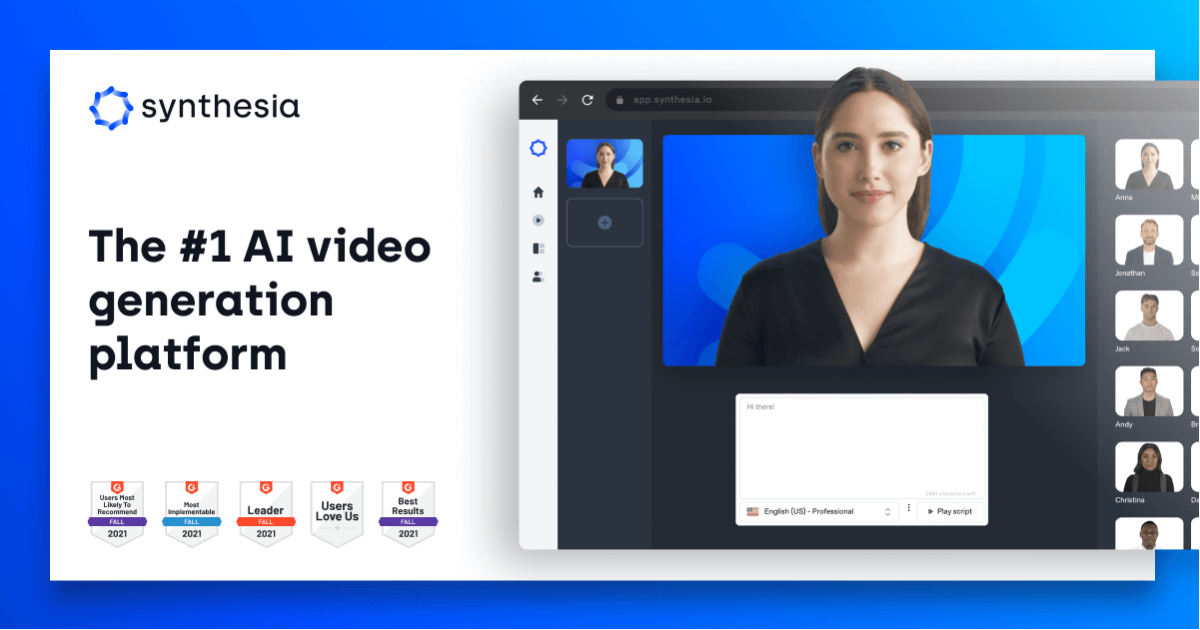
When a company raises $200 million in Series E funding during January 2026, investors are betting on more than potential. They're backing proven market demand and sustainable growth. Synthesia's funding round came alongside a 44% year-over-year increase in headcount to 706 employees, signaling aggressive expansion in a category the company essentially created: AI avatar-based video generation for enterprise training and communications. Corporate training videos have been expensive and slow to produce for decades. Recording a single 10-minute training module traditionally required booking a studio, hiring a presenter, scheduling a videographer, managing multiple takes, and editing everything together. If you needed to update information or translate content, you essentially started over. Synthesia eliminated this entire production workflow by replacing human presenters with AI avatars.
The designer-developer relationship has been tense for decades. Designers create pixel-perfect mockups in Figma. Developers translate them to code and somehow everything looks slightly wrong. Fonts don't match. Spacing is inconsistent. Buttons have different corner radiuses. Both sides get frustrated, blame each other, and the product suffers. V0 by Vercel is fixing this problem by generating production-quality React components that look exactly like the designs. The rebrand from v0.dev to v0.app in January 2026 signaled expanded ambitions beyond just UI component generation. Vercel positioned the tool for full-stack web development, though its core strength remains frontend excellence. That strategic clarity matters because trying to be everything often means excelling at nothing. V0 chose to dominate the handoff between design and code before expanding into other areas.
I switched from ChatGPT Plus to Claude Max in February and the difference in quality for anything involving long documents or complex reasoning is not subtle. I get why enterprises are paying for this.
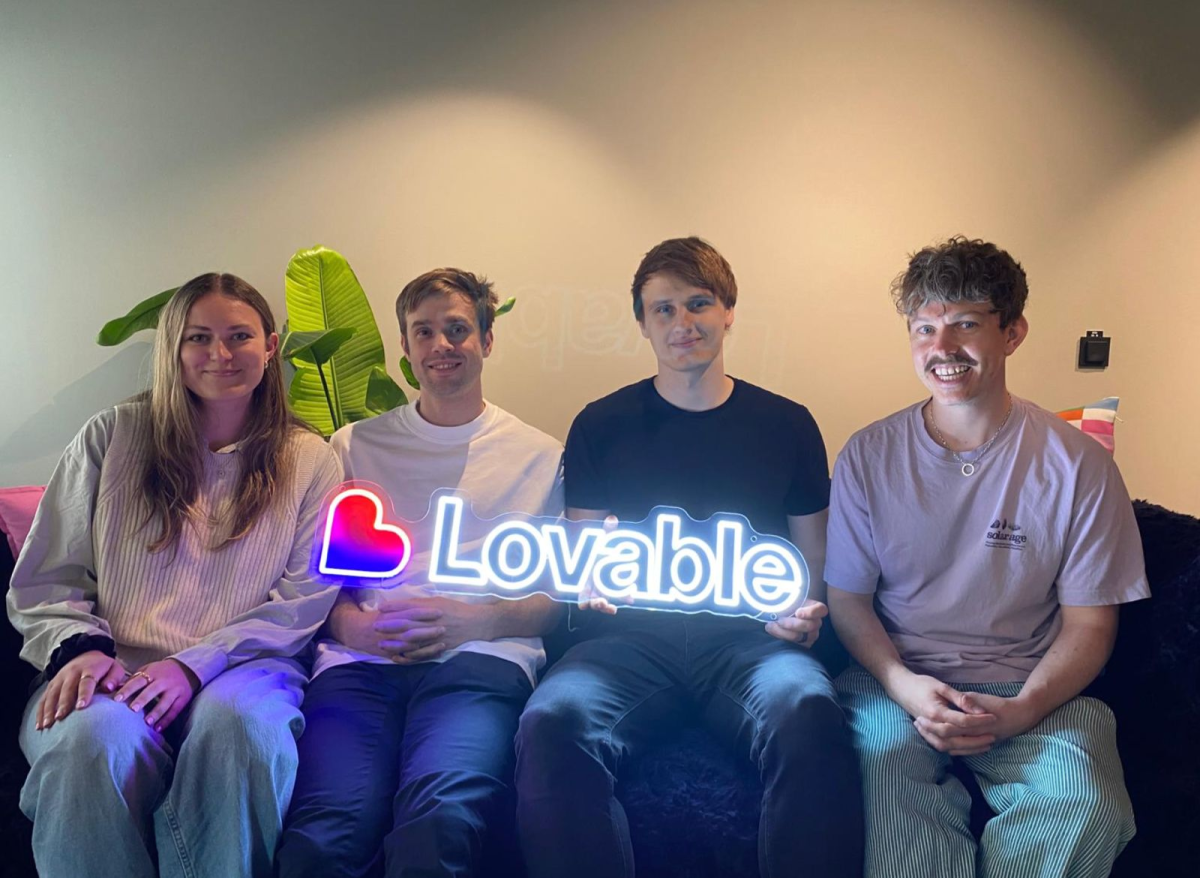
The software development world just witnessed something unprecedented. A European startup called Lovable reached $20 million in annual recurring revenue in just two months, making it potentially the fastest-growing startup in European history. But here's the twist that's making traditional software agencies nervous: they did it by giving non-technical founders the power to build full-stack applications without writing a single line of code. For years, the promise of no-code tools has been the same: anyone can build an app. But the reality has always been different. You'd create a beautiful frontend, get excited about your progress, and then hit the technical cliff. Suddenly you needed to configure databases, set up authentication, manage API keys, and deploy to servers. The "no-code" dream became a "hire-a-developer-anyway" nightmare.
The EU fine and ongoing High Court challenge are so relevant here. TikTok is simultaneously arguing in court that Chinese engineers accessing EU user data is fine actually, while also arguing that not encrypting messages is for user safety. Both arguments require a lot of trust from regulators who have already said they do not trust TikTok.
The article mentions that Meta's advantage is not just the model but the network. That is genuinely true and genuinely underappreciated. The marginal cost of adding AI to a platform where people already spend hours a day is essentially zero. You are not acquiring users. You are activating them.
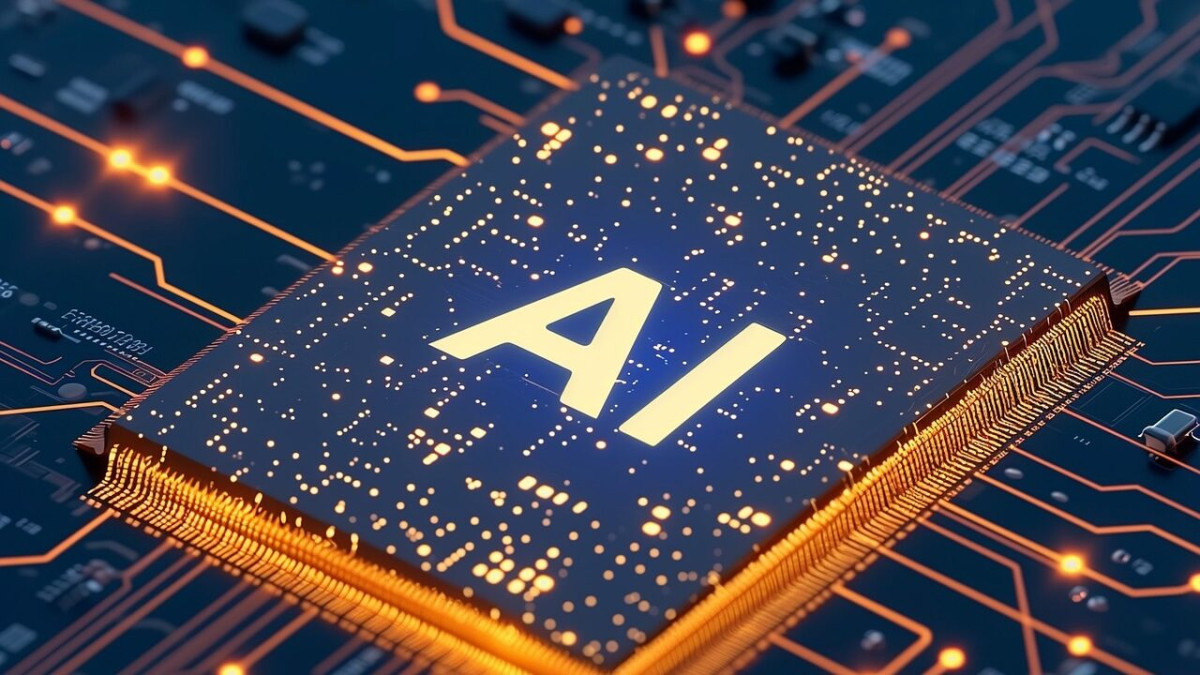
The artificial intelligence industry is entering a new phase of competition, one that extends far beyond the development of advanced language models and neural networks. Companies are now engaged in an intense struggle to secure the computational infrastructure necessary to train and deploy their AI systems. In this context, Anthropic has reportedly begun exploring the possibility of designing and manufacturing its own specialized processors to power Claude, its flagship conversational AI platform, along with its broader suite of artificial intelligence technologies. This strategic consideration emerges at a critical moment in the global AI sector. The exponential growth in model complexity and capability has created unprecedented demand for high-performance computing resources. Sources familiar with the matter indicate that Anthropic is conducting feasibility studies to determine whether developing proprietary semiconductor technology could reduce its dependence on external hardware vendors while ensuring reliable access to the computing power required for its operations.
That all-white cape look was genuinely stunning. Minimalism that actually says something is rare at fashion week and she pulled it off.
What about rainy days? I'd love styling suggestions for making this work in bad weather.
Join independent creators, thought leaders, and storytellers to share your unique perspectives, and spark meaningful conversations.