That is a fair point but also worth noting that Fuqua clearly got an exceptional performance out of a first-time screen actor, which is itself a significant directorial achievement regardless of script issues.
18
Sign up to see more
SignupAlready a member?
LoginBy continuing, you agree to Sociomix's Terms of Service, Privacy Policy

That is a fair point but also worth noting that Fuqua clearly got an exceptional performance out of a first-time screen actor, which is itself a significant directorial achievement regardless of script issues.
The article mentions the series explores different types of heroism and that really is the thesis. What Dokja does is harder in some ways than what Joonghyuk does, and the story actually grapples with that instead of just picking a winner.
In a manhwa landscape dominated by dungeon crawling, regression narratives, and power fantasies, The Greatest Estate Developer stands out by asking a simple question: what if the protagonist's greatest weapon wasn't a sword or magic system, but civil engineering knowledge? This bizarre premise transforms into one of the most entertaining, genuinely funny, and surprisingly heartfelt series currently running, proving that innovation in storytelling comes from unexpected places. The series takes the familiar isekai setup where a modern person finds themselves in a fantasy world and completely subverts expectations. Instead of becoming an adventurer or hero, protagonist Kim Suho uses his engineering knowledge to revolutionize construction, infrastructure, and economic development. What sounds like it should be boring becomes absolutely captivating through sharp writing, excellent comedic timing, and genuine passion for showing how infrastructure improves lives.

Coming in with a mild counterpoint. The tomb exploration sequences in the manhwa are great but they can also bog down the pacing significantly in the middle of the series. Animation might actually fix this by tightening the visual storytelling.
If you're new to manhwa or looking to understand what all the hype is about regarding system and leveling stories, you've arrived at exactly the right place. The system genre has become one of the most popular and accessible entry points into Korean comics, offering clear progression mechanics, satisfying power growth, and narratives that feel like playing your favorite RPG or video game brought to life on the page. System manhwa feature protagonists who gain access to game-like interfaces that display stats, skills, quests, and levels. These systems provide clear frameworks for character growth and power progression. You can literally see the protagonist getting stronger through numbers increasing, new abilities unlocking, and challenges being overcome. This visual and concrete progression creates deeply satisfying reading experiences that hook readers from the first chapter.
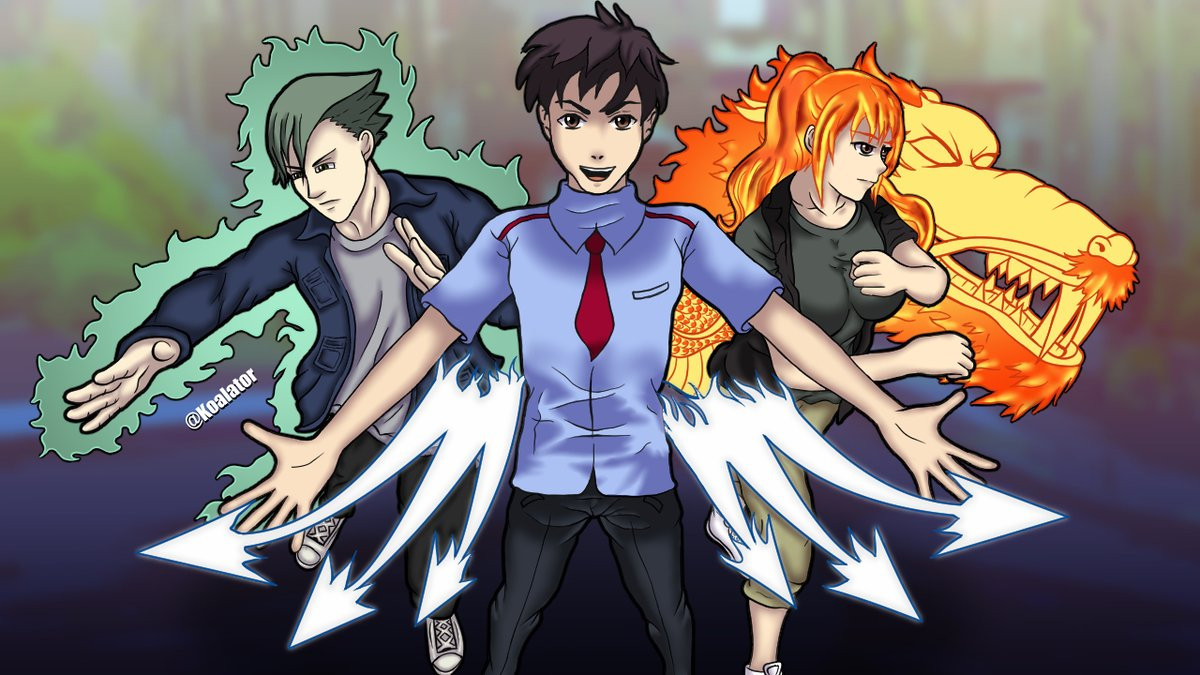
The cat is not a joke by the way. It is established early and keeps having consequences. It is doing legitimate narrative work while also being extremely funny. That balance is a skill.
Civil engineering student here. The series is not perfectly accurate on technical details but it gets the mindset right. The satisfaction of solving a structural problem is captured really well.
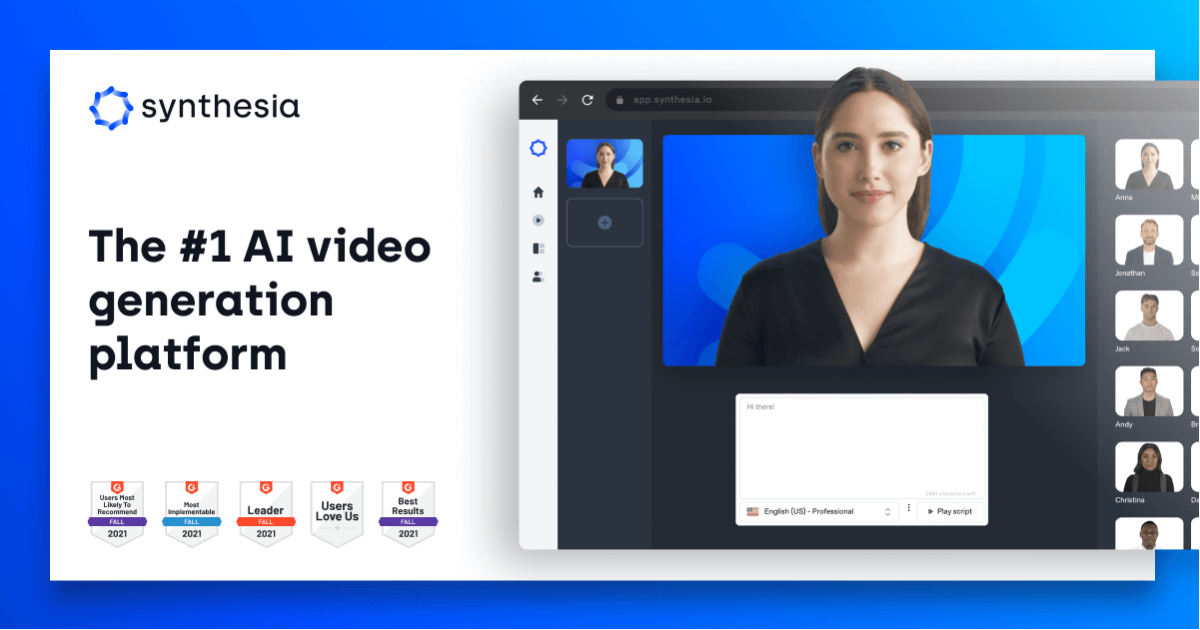
When a company raises $200 million in Series E funding during January 2026, investors are betting on more than potential. They're backing proven market demand and sustainable growth. Synthesia's funding round came alongside a 44% year-over-year increase in headcount to 706 employees, signaling aggressive expansion in a category the company essentially created: AI avatar-based video generation for enterprise training and communications. Corporate training videos have been expensive and slow to produce for decades. Recording a single 10-minute training module traditionally required booking a studio, hiring a presenter, scheduling a videographer, managing multiple takes, and editing everything together. If you needed to update information or translate content, you essentially started over. Synthesia eliminated this entire production workflow by replacing human presenters with AI avatars.
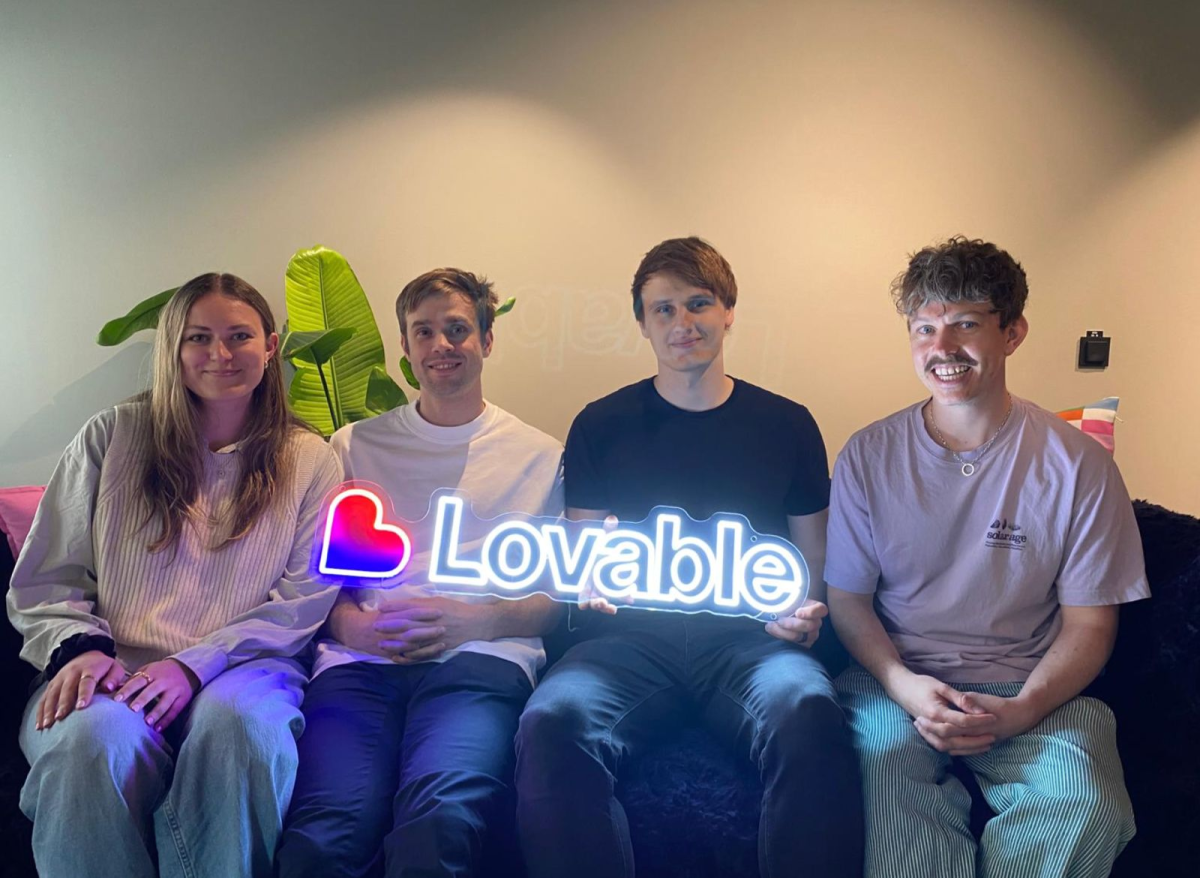
The software development world just witnessed something unprecedented. A European startup called Lovable reached $20 million in annual recurring revenue in just two months, making it potentially the fastest-growing startup in European history. But here's the twist that's making traditional software agencies nervous: they did it by giving non-technical founders the power to build full-stack applications without writing a single line of code. For years, the promise of no-code tools has been the same: anyone can build an app. But the reality has always been different. You'd create a beautiful frontend, get excited about your progress, and then hit the technical cliff. Suddenly you needed to configure databases, set up authentication, manage API keys, and deploy to servers. The "no-code" dream became a "hire-a-developer-anyway" nightmare.
I switched from ChatGPT Plus to Claude Max in February and the difference in quality for anything involving long documents or complex reasoning is not subtle. I get why enterprises are paying for this.
Meta stock jumped more than 9 percent the day of the launch. The market clearly agrees this is real momentum, not just a PR blitz.
Meta has just had one of its most important AI moments yet and the early signals are hard to ignore. Following the launch of its newest AI model Muse Spark, the company’s standalone Meta AI app surged dramatically in popularity, hinting at a much larger shift that is beginning to take shape. The release is particularly significant because it marks the first major AI model rollout under Alexandr Wang, who joined Meta to reboot its AI strategy. This is not just another incremental update. It represents a more aggressive and focused push into the AI race. According to data from Appfigures, Meta AI jumped from number 57 to number 5 on the U.S. App Store within a day of the launch. That kind of movement rarely happens without a strong underlying pull from users. It signals not curiosity but intent.
The EU fine and ongoing High Court challenge are so relevant here. TikTok is simultaneously arguing in court that Chinese engineers accessing EU user data is fine actually, while also arguing that not encrypting messages is for user safety. Both arguments require a lot of trust from regulators who have already said they do not trust TikTok.
My tip would be to use fashion tape around the neckline to keep everything in place if you're planning to wear this all day
The silver jewelry is perfect but I might add a statement watch to complete the look
I'm obsessed with how the casual baseball cap balances out the sophistication of the dress. Such a clever styling trick!