That gap is maddening given how much hormonal variation affects hunger patterns in women across a month, not just across a day.
11
Sign up to see more
SignupAlready a member?
LoginBy continuing, you agree to Sociomix's Terms of Service, Privacy Policy

That gap is maddening given how much hormonal variation affects hunger patterns in women across a month, not just across a day.
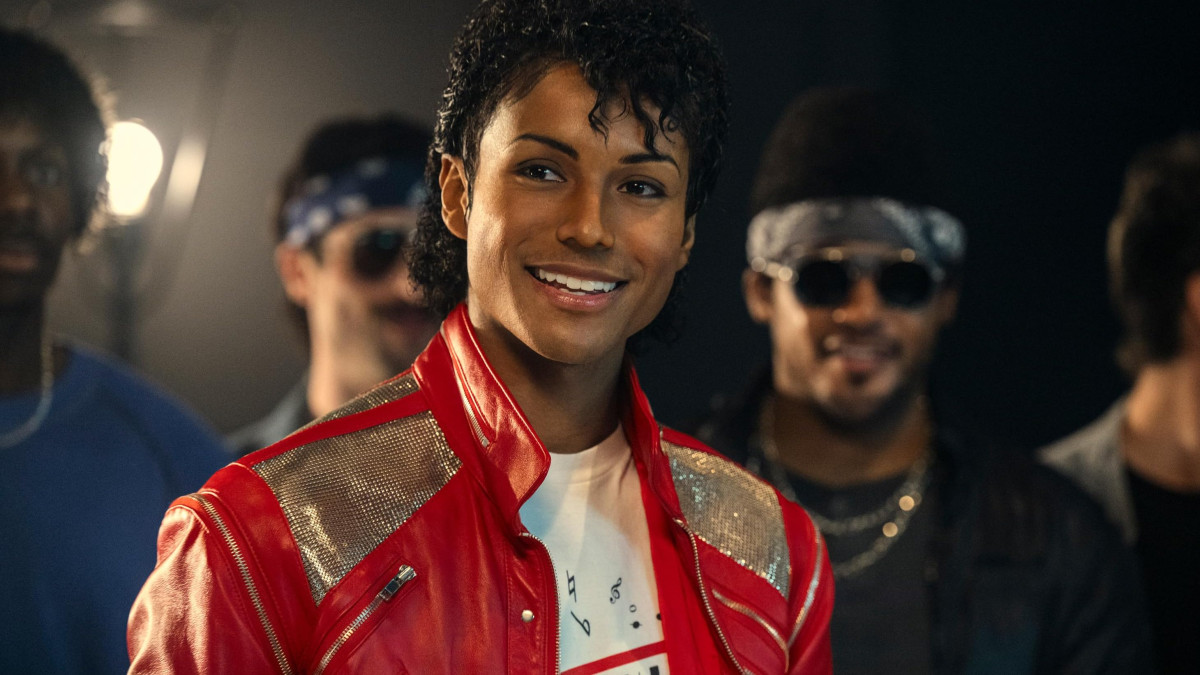
The Michael movie review verdict is in, and it is more complicated than the 26% Rotten Tomatoes score suggests. Antoine Fuqua's long-delayed Michael Jackson biopic, simply titled Michael, hit theaters this weekend with Jaafar Jackson playing his late uncle, and the critical response has been brutal. The BBC gave it one star. Roger Ebert's site called it a filmed playlist in search of a story. Yet early audience reactions on social media have been warmer, ticket pre-sales suggest an $80 million opening, and Variety thought it worked as an engrossing middle-of-the-road biopic. After tracking coverage across more than a dozen outlets over the past 48 hours, I think the honest answer to "should you watch this?" depends almost entirely on what you want from a music biopic, and this guide breaks down exactly what the film delivers, what it skips, and who will actually enjoy sitting through its two-hour-and-nine-minute runtime.
The cosmic mythology expansion is either the best thing Ragnarok does or the most divisive depending on who you ask. Some fans love that the stakes now span universes. Others miss the grounded dungeon-crawling feel of the early original.
Began reading ORV with zero context and was completely lost for the first twenty chapters. Solo Leveling is genuinely more beginner-friendly even if ORV is better overall. The article's framing is right.
The approach of making magic a discovered element that emerged in response to the invasion rather than a pre-existing part of the world is clever. It means the reader discovers it at roughly the same time as the characters.
Unpopular opinion but the story itself is pretty formulaic and the art is doing heavy lifting that the writing sometimes does not deserve.
Dark comedy from watching murim masters dismiss a space demon invasion warning is something I didn't know I wanted but here we are.
The article glosses over something important. 152% customer growth with average contract values at one third of Synthesia means total revenue growth is much more modest. Impressive user count does not equal impressive revenue, and conflating the two is a classic growth story mistake.
The designer-developer relationship has been tense for decades. Designers create pixel-perfect mockups in Figma. Developers translate them to code and somehow everything looks slightly wrong. Fonts don't match. Spacing is inconsistent. Buttons have different corner radiuses. Both sides get frustrated, blame each other, and the product suffers. V0 by Vercel is fixing this problem by generating production-quality React components that look exactly like the designs. The rebrand from v0.dev to v0.app in January 2026 signaled expanded ambitions beyond just UI component generation. Vercel positioned the tool for full-stack web development, though its core strength remains frontend excellence. That strategic clarity matters because trying to be everything often means excelling at nothing. V0 chose to dominate the handoff between design and code before expanding into other areas.
Zero setup environments are going to create a generation of developers who are genuinely productive but have no mental model of what is happening underneath their code. I am not sure that is a catastrophe but it is definitely a different kind of developer than we have trained before.
Hot take: any developer who dismisses v0 because they think AI-generated code is beneath them is going to spend the next five years watching their colleagues ship twice as fast.
Real talk: the token consumption during complex builds is brutal. Had a project burn through a month's worth of tokens in three days because the AI kept regenerating components instead of making targeted edits.
Watching traditional software companies scramble to respond to this is honestly fascinating. The incumbents have the resources but they do not have the hunger.
Flat rate solved the wrong problem. The anxiety was never really about money for experienced developers. It was about whether the AI understands the codebase well enough to be trusted with the change.
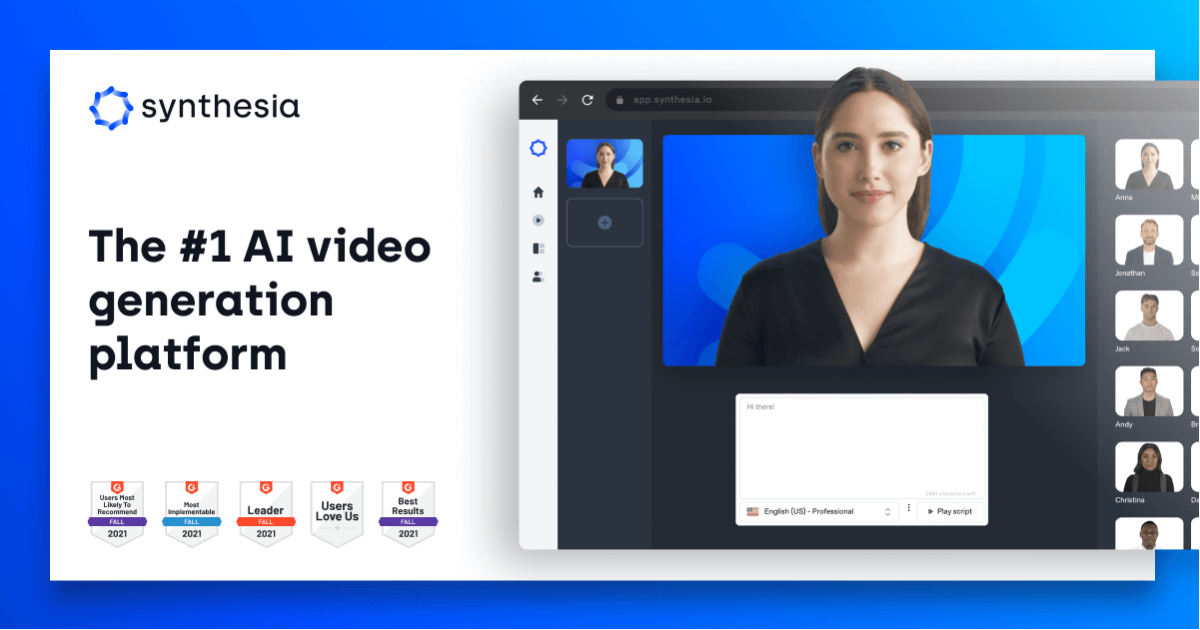
When a company raises $200 million in Series E funding during January 2026, investors are betting on more than potential. They're backing proven market demand and sustainable growth. Synthesia's funding round came alongside a 44% year-over-year increase in headcount to 706 employees, signaling aggressive expansion in a category the company essentially created: AI avatar-based video generation for enterprise training and communications. Corporate training videos have been expensive and slow to produce for decades. Recording a single 10-minute training module traditionally required booking a studio, hiring a presenter, scheduling a videographer, managing multiple takes, and editing everything together. If you needed to update information or translate content, you essentially started over. Synthesia eliminated this entire production workflow by replacing human presenters with AI avatars.
The comparison between v0 and general-purpose AI coding tools is the key distinction the article gets right. Purpose-built training on frontend design patterns is what produces components that look like a human designer made deliberate choices, not a computer filling in defaults.
that is a cynical read but not an unreasonable one. The line between security research access and product development advantage gets blurry very fast inside large tech companies.
Threads added editing with a reasonable approach and nobody melted down about it. Instagram taking so long to follow its own sibling app is kind of funny.
In a rare divergence from industry norms, TikTok has confirmed it will not adopt end-to-end encryption (E2EE) for direct messages, breaking with nearly every major social media platform and reigniting one of the tech industry's most contentious debates. The Chinese-owned video platform told the BBC exclusively that it believes the privacy technology championed by Meta, Apple, and others as essential for user protection actually makes users less safe by creating "dark spaces" where harmful content can flourish beyond the reach of safety teams and law enforcement. The decision puts TikTok in direct opposition to its competitors while potentially exposing the company to fresh criticism over data protection, particularly given ongoing concerns about its ties to Beijing.
Real talk, Nvidia's moat is not just the hardware. It is CUDA. Twenty years of developer tooling, millions of engineers who know it, thousands of optimized applications. Anthropic can build a great chip and still lose if their software ecosystem is terrible.