The term brain wealth feels a little too market friendly for my taste but I can't argue with the underlying framework. Proactive, compounding investment in cognitive health is just good strategy regardless of what you call it.
24
Sign up to see more
SignupAlready a member?
LoginBy continuing, you agree to Sociomix's Terms of Service, Privacy Policy
The term brain wealth feels a little too market friendly for my taste but I can't argue with the underlying framework. Proactive, compounding investment in cognitive health is just good strategy regardless of what you call it.
Agreed on the content warning point. Worth adding that the horror here is mostly cerebral and atmospheric rather than gore-focused. But the conceptual darkness is dense and does not let up.
Every manhwa on this list is worth reading but they all share one flaw. Once you've read enough of them the stat screen reveals and level up moments stop feeling surprising because the formula is so predictable.
The manhwa world exploded when Solo Leveling first introduced us to Sung Jinwoo's journey from the weakest hunter to humanity's strongest defender. Now, Solo Leveling Ragnarok brings a fresh perspective to this beloved universe, and fans everywhere are asking the same questions. Can the sequel live up to the original? Do you need to read Solo Leveling first? What makes this continuation worth your time? This guide covers everything you need to know about Solo Leveling Ragnarok, whether you're a longtime fan or someone curious about jumping into the series Solo Leveling Ragnarok is not a reboot or alternate timeline. This is a direct sequel that continues the story years after the original series concluded. The protagonist shifts from Sung Jinwoo to his son, Sung Suho, who must forge his own path in a world still recovering from the catastrophic events his father prevented.

While Synthesia leads in revenue, HeyGen leads in customer acquisition momentum with 152% year-over-year growth in mid-market adoption. That explosive growth rate allowed HeyGen to close much of the customer count gap by late 2025. The company is winning by making avatar video accessible to smaller teams and individual creators who cannot afford enterprise contracts but need professional video capabilities. HeyGen positioned itself for small and medium businesses, marketing teams, content creators, and solo entrepreneurs rather than enterprise learning and development departments. This market segment values affordability, ease of use, and creative flexibility over governance features and advanced integrations. Average contract values are roughly one-third of Synthesia's, reflecting this different customer profile.
Hands are still not great in Gen-4.5, better than before, but if the camera lingers on hands doing detailed tasks you will still see artifacts. Close-up hand work is the benchmark I use for all models and none have fully cracked it.
The post mentions LMS integration was added. For anyone running employee training or online education that is a meaningful feature. Getting video content directly into the learning environment where learners already are removes a whole distribution headache.
The article is correct that this is the standard other series should aspire to. Whether it is currently the best is a fun argument. That it has raised the bar is not really arguable.
For teams outside English speaking markets this technology is not incremental, it is transformative. Our regional offices in Southeast Asia had basically zero localized training content before this because the cost was prohibitive. That has completely changed.
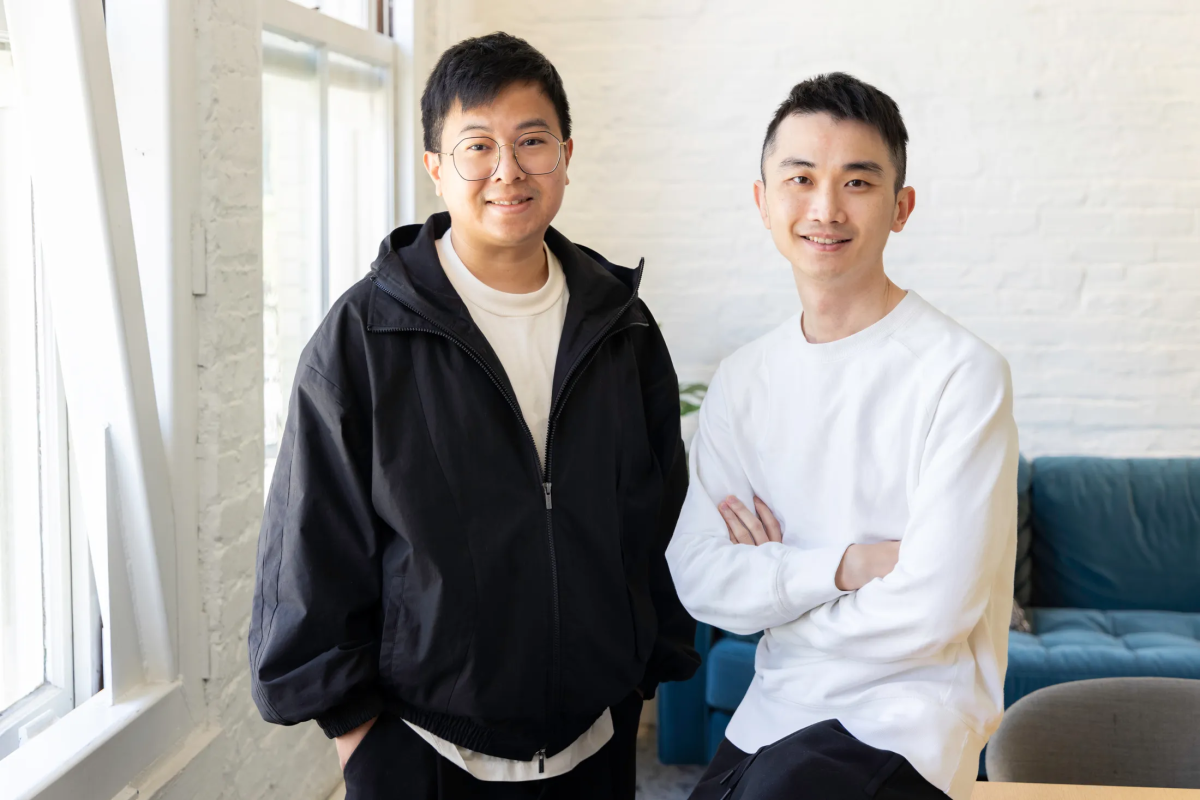
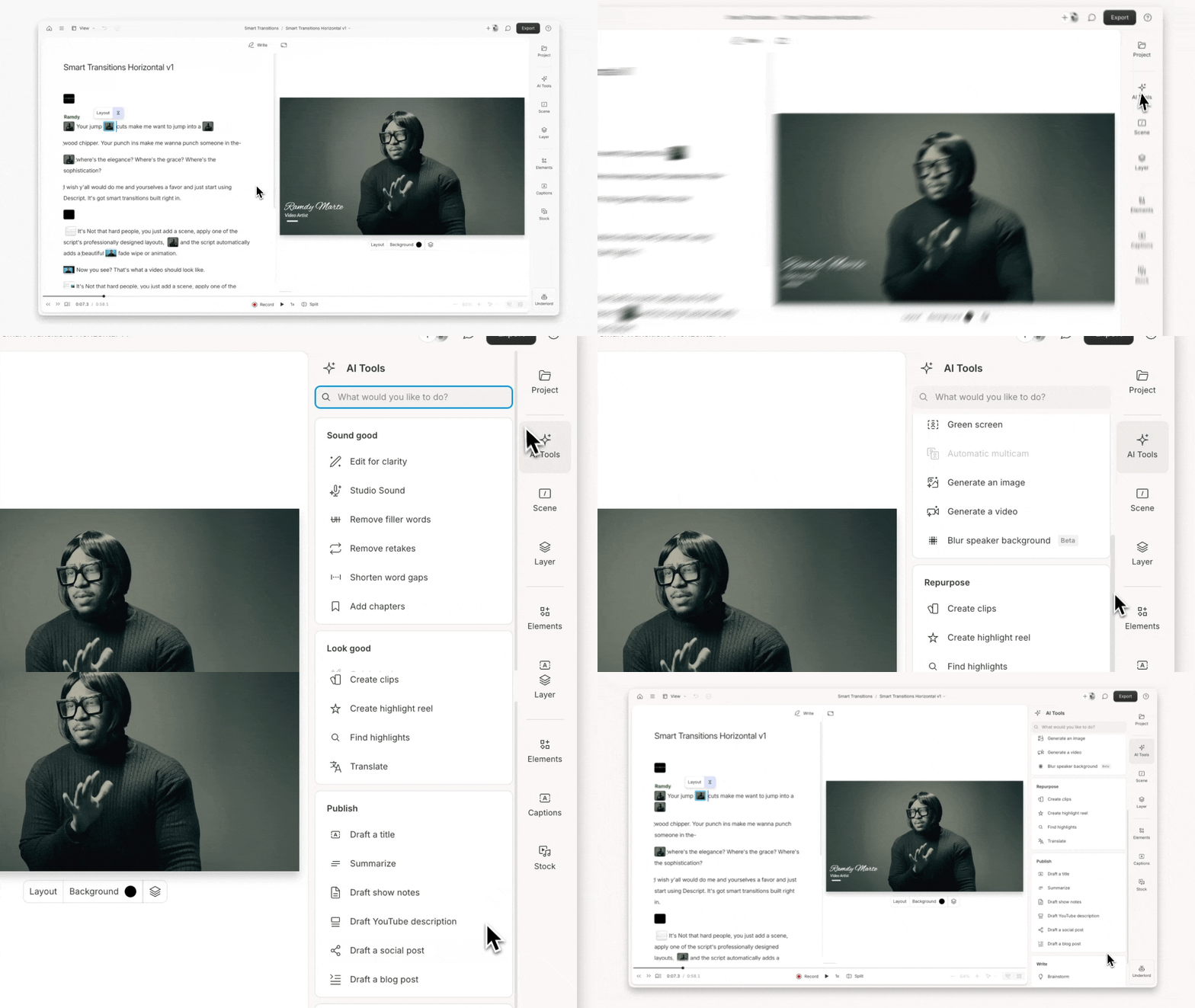
Most people can edit a Google Doc. Delete some words, rearrange sentences, fix typos, add paragraphs. It's intuitive and requires no special training. Now imagine editing video the same way. That's Descript's core innovation, and it transformed video editing from a specialized skill requiring expensive software into something anyone who can edit text can do effectively. Descript started as a transcription tool for podcasters. Record your podcast, upload it to Descript, and get an accurate transcript for show notes. But the founders realized something bigger. If you have a perfect transcript synchronized to audio, you can edit the audio by editing the text. Delete a word from the transcript and that word disappears from the audio. That insight became the foundation for a complete editing platform.
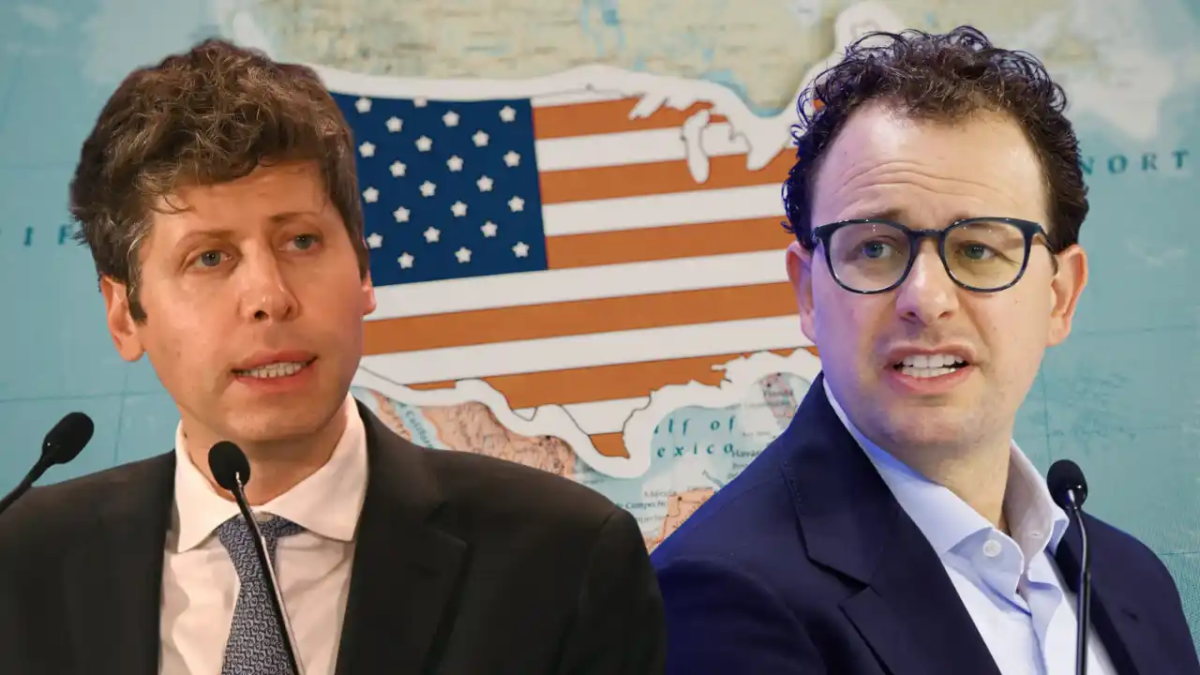
There's a photograph from February 2026 that pretty much sums up the state of AI right now. At the India AI Impact Summit in New Delhi, Indian Prime Minister Narendra Modi invited the world's tech leaders onstage for a group photo. Everyone held hands. Well, almost everyone. Sam Altman of OpenAI and Dario Amodei of Anthropic, standing right next to each other, refused to clasp hands and instead raised their fists separately. The internet, predictably, lost its mind. An awkward moment between OpenAI CEO Sam Altman and Anthropic CEO Dario Amodei at an AI Summit captured the increasingly icy relations between two rival tech leaders who started off as colleagues. That's not just petty drama. It's a window into what may be the most consequential corporate rivalry in the technology world right now, one that's playing out in boardrooms, courtrooms, Super Bowl ads, and billion-dollar compute deals all at once.
The move from open-source Llama to proprietary Muse Spark is a philosophically significant pivot. Meta spent years building credibility and developer trust by being open. Monetization is a legitimate need but it comes at a real cost to that identity.
The part about legacy banking systems potentially harboring long-hidden flaws is the real systemic risk here. Some of this code predates the internet as we know it.
Facebook has shown edit history for years and it works fine. There is no reason Instagram cannot do the same. Hiding original text while slapping an edited label on it is the worst of both worlds.
Not gonna lie, the subscription tier sprawl from OpenAI is getting exhausting. Free, Go, Plus, $100 Pro, $200 Pro. Just tell me what I get and what it costs without needing a comparison spreadsheet.
I would probably add some textured tights when it gets colder. Maybe a subtle pattern?