How To Incorporate Sustainable Fashion Into Your Life
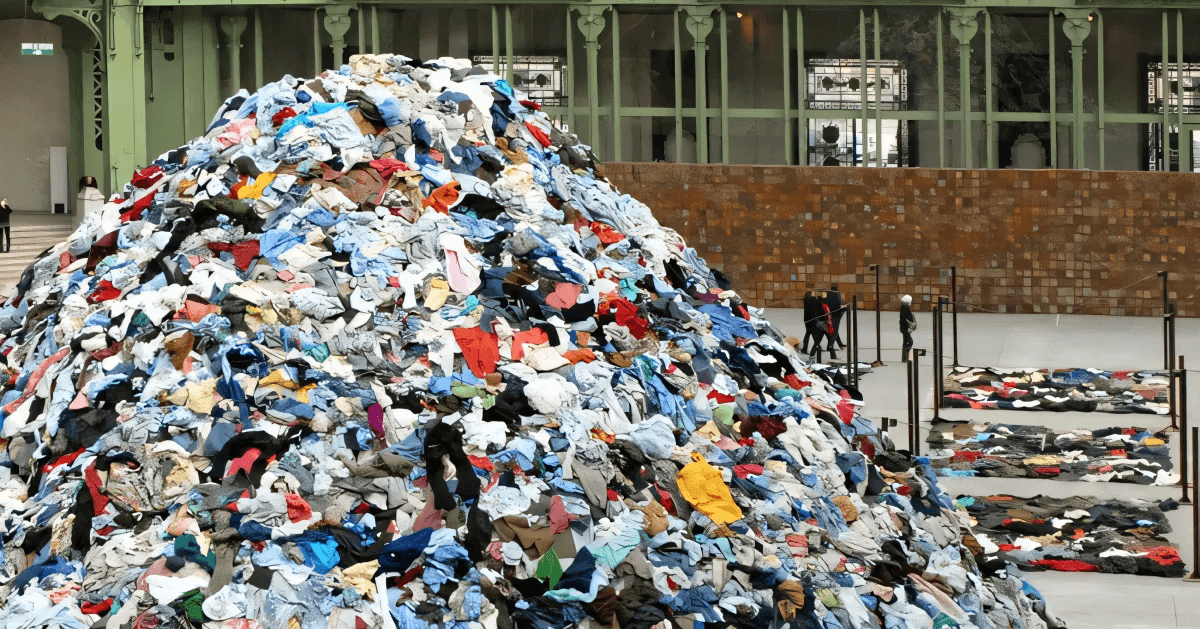
Sustainable Fashion has become an ever increasing trend in the fashion industry allowing consumers to be socially and environmentally conscious when buying clothes. Here are some quick ways to be more sustainable in your everyday wardrobe.
Sustainable Fashion is clothing, accessories, and textiles that are produced and marketing in an environmentally and socio-economic way.
This means "continuous work to improve all stages of the product’s life cycle, from design, raw material production, manufacturing, transport, storage, marketing, and final sale, to use, reuse, repair, remake and recycling of the product and its components".
Even though sustainable fashion seems like a new thing, the idea of making the clothes we wear more sustainable has been around since the 1960s, with the publication of renowned environmentalist Rachel Carson's book, Silent Spring. In her book, Carson exposes the widespread pollution from the use of agricultural chemicals like pesticides.
These chemicals are used widely on the raw materials that make up fashion like cotton. However, it was in the 1990s when sustainable fashion took a front seat in the talk about how to be more environmentally conscious. Companies like Patagonia and ESPRIT took the lead to illustrate the "eco-fashion" as it was called then, can be done and popular to the consumer to purchase.
Since then, sustainable fashion has become more popular in the industry with numerous large brand companies following in the footsteps of previous companies.
Here are some ways that the average fashion consumer can incorporate sustainable fashion into their lives.
1. Try Thrifting
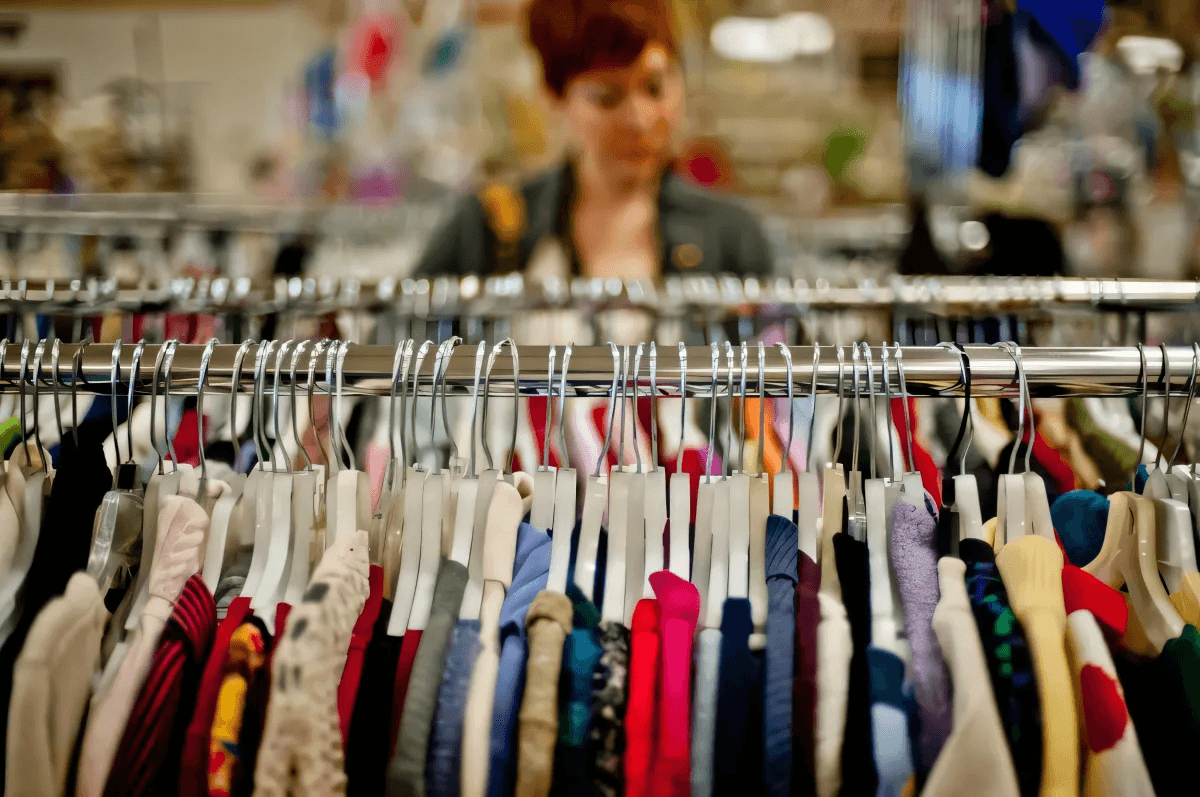
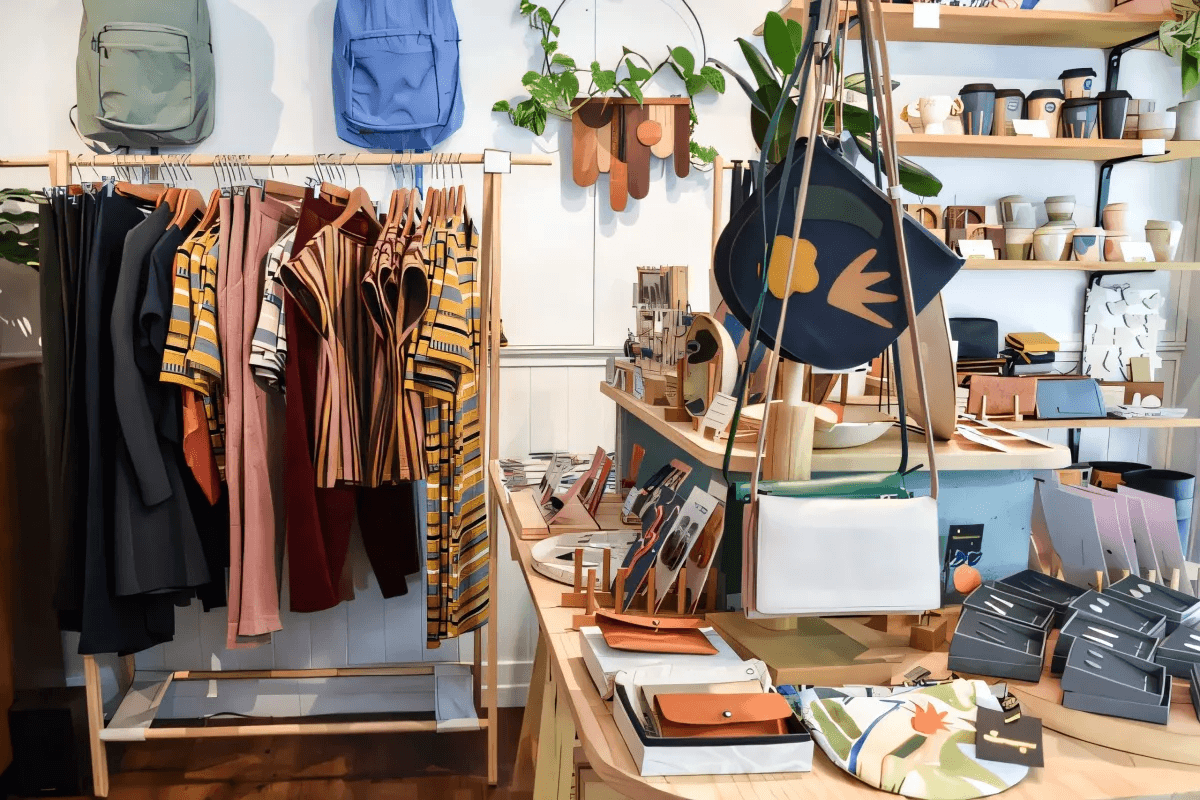
Purchasing clothes second-hand or "thrifting" is an easy and great way to start incorporating sustainable fashion. Checking out your local GoodWill or vintage clothing shop for clothes can be a cool way to create a unique style of your own while reducing the impact of new clothing production.
2. Recycling your old clothing
Similar to second-hand, consumers can go through their own closets to recycle old clothing and accessories into new pieces. Whether you have a silk scarf that isn't cutting it as a scarf or a pair of earrings that are not in style anymore, you can recycle these pieces to give them new life in your wardrobe. Maybe use the scarf as a new top or bathing suit cover with a few tying tricks or use the jewels in the earrings as a new take on those old pair of shoes you have. Imagination is key in recycling old clothing but it allows you to re-purpose your clothes, while also making your fashion choices more sustainable.
3. Slow Fashion
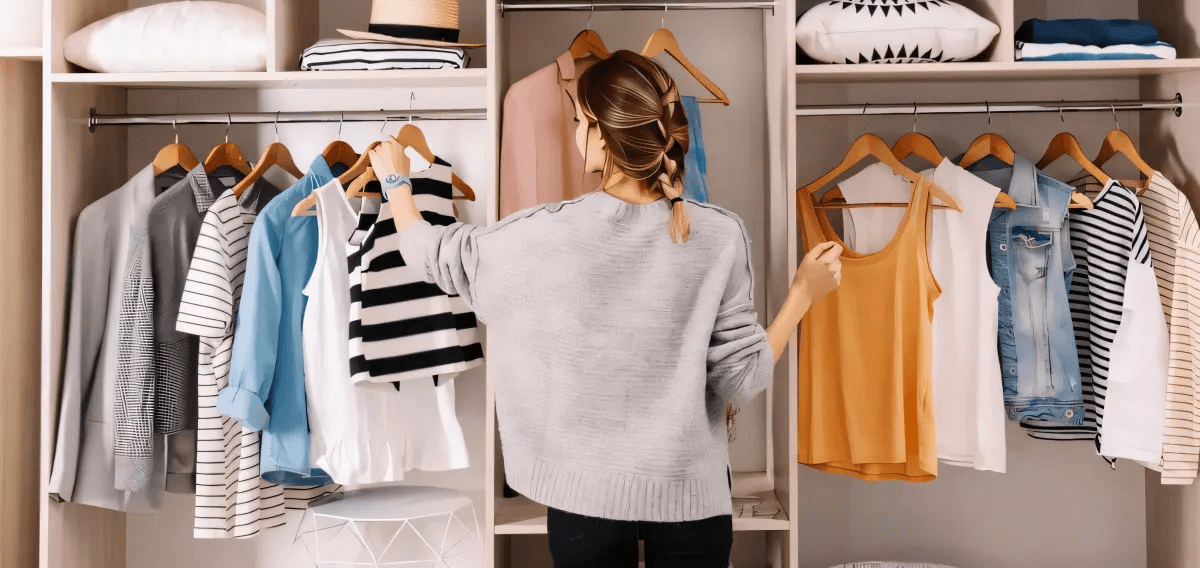
Slow fashion basically means sticking with the clothes you have for long periods of time between purchasing new clothes. Many stylists argue that this can be the toughest one because our tastes change all the time. Try this sustainable fashion with the basics in your closet that you are not going to be tempted to change out so frequently. For example, find good quality pieces for t-shirts, pants, or blazers that are versatile, while also sustaining time. Slow fashion also pertains to rips and tears, instead of throwing it out, try getting it repaired first.
4. Sustainable fashion-minded companies
With more and more companies going sustainable, it has become easier for you, the consumer to incorporate sustainable fashion into your everyday life. Aside from long-standing sustainable companies like Patagonia and ESPRIT, on-trend stores like H&M, Rothys, Levi's, and Eileen Fisher, are all committing to being more environmentally and socio-economic sustainable in their manufacturing practices while making clothes.
Sustainable fashion in the past might have seemed like something that was hard to reach, but now with more ways to be more sustainable through how we interact with fashion as well as buy it, the everyday consumer can now feel good about where their clothing is coming from and how it is being produced.
The part about repairing clothes instead of throwing them away is so important. My grandmother taught me basic sewing skills and they've saved me so much money.
The prices might be higher upfront, but I've found that my sustainable pieces last so much longer than fast fashion. It actually saves money in the long run.
The article mentions H&M as sustainable, but let's be real here. Fast fashion companies claiming to be sustainable while producing massive quantities of clothing seems contradictory to me.
Thrifting has become my weekend hobby! Found some amazing vintage pieces that you just can't get in regular stores. Plus, it feels good knowing I'm giving these clothes a second life.
I've been trying to be more mindful about my fashion choices lately. The idea of slow fashion really resonates with me. It's amazing how much money I've saved by focusing on quality basics that last longer.