
Took a 12 week datacenter technician program at a community college last year after getting laid off from a software QA role. Had a job offer before the program even ended. The demand is not theoretical.
Sign up to see more
SignupAlready a member?
LoginBy continuing, you agree to Sociomix's Terms of Service, Privacy Policy

Took a 12 week datacenter technician program at a community college last year after getting laid off from a software QA role. Had a job offer before the program even ended. The demand is not theoretical.
Been a martial arts practitioner for years and what The Boxer gets right about the psychology of facing a superior opponent is genuinely uncomfortable to read. That panic and disbelief feels accurate.
Solo Leveling being the first manhwa adaptation to win anime of the year is proof the genre has fully arrived. ORV has the narrative depth to go even further if the adaptation respects it.
Genuinely curious, has there been any actual movement on an anime announcement or is this purely fan wishful thinking at this point?
The regression subgenre has exploded in popularity over the past few years, becoming one of the most beloved narrative frameworks in Korean manhwa. The core premise is deceptively simple: a protagonist dies or fails catastrophically, then returns to an earlier point in time with their memories intact. Armed with future knowledge, they get a second chance to change their fate, save loved ones, gain power, or pursue revenge against those who wronged them. What makes regression stories so compelling is the combination of dramatic irony, strategic satisfaction, and emotional depth they provide. Readers know what the protagonist knows, creating tension when other characters make mistakes we can see coming. We feel smart alongside protagonists who use foreknowledge to outmaneuver enemies. And we experience the emotional weight of carrying memories of futures that haven't happened yet, of people who died who are currently alive, of betrayals that haven't occurred.
Hot take. The ghostwriter framing is better than any otome isekai setup I can think of because it forces the protagonist into an emotional position that is inherently compromised from the start. He is literally writing someone else's heart.
Sora 2 inside Descript is interesting but I would not lead with that as a selling point yet. The generative video stuff is genuinely impressive for atmospheric b-roll but the restriction on human faces limits practical use cases significantly.
Having Otter auto-join every calendar event including informal chats with my skip-level manager felt like overkill fast. Learned to be selective about which meetings get the bot.
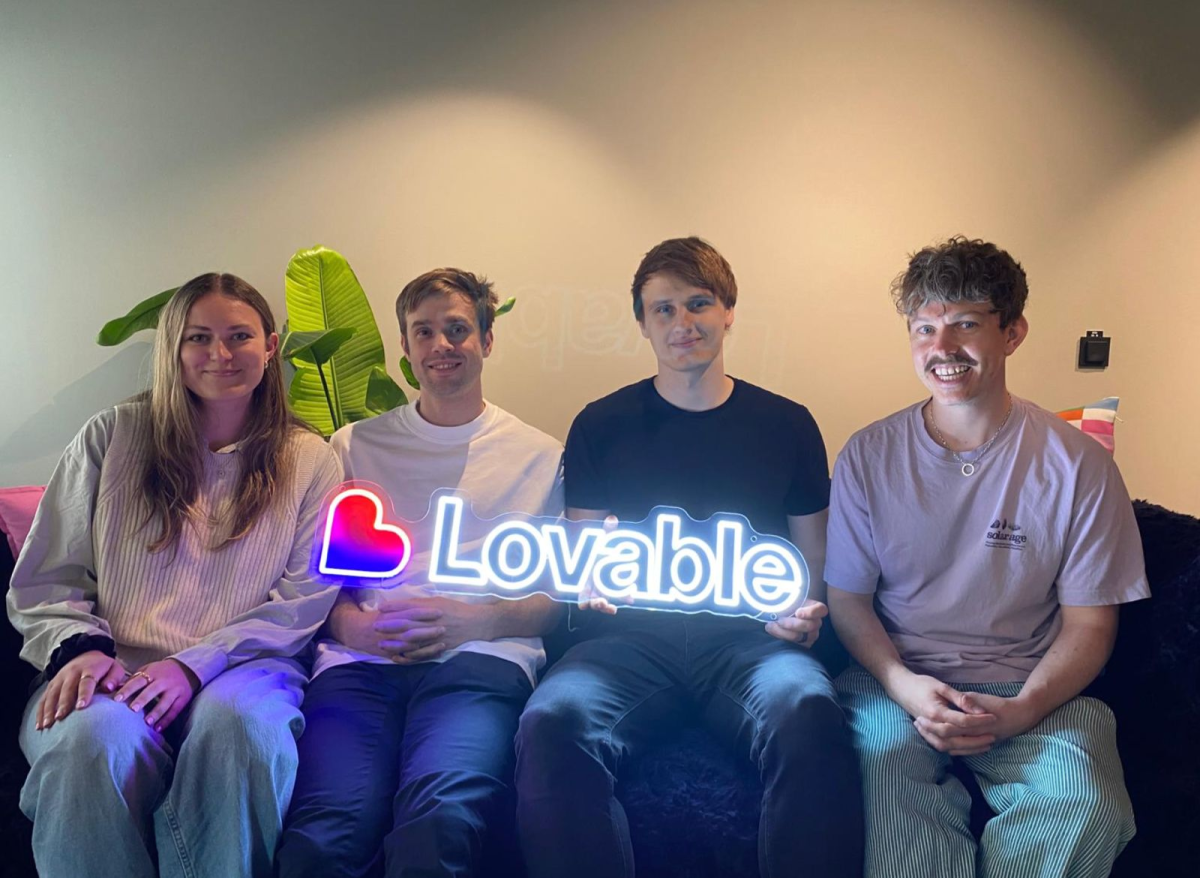
The software development world just witnessed something unprecedented. A European startup called Lovable reached $20 million in annual recurring revenue in just two months, making it potentially the fastest-growing startup in European history. But here's the twist that's making traditional software agencies nervous: they did it by giving non-technical founders the power to build full-stack applications without writing a single line of code. For years, the promise of no-code tools has been the same: anyone can build an app. But the reality has always been different. You'd create a beautiful frontend, get excited about your progress, and then hit the technical cliff. Suddenly you needed to configure databases, set up authentication, manage API keys, and deploy to servers. The "no-code" dream became a "hire-a-developer-anyway" nightmare.
In a manhwa landscape dominated by dungeon crawling, regression narratives, and power fantasies, The Greatest Estate Developer stands out by asking a simple question: what if the protagonist's greatest weapon wasn't a sword or magic system, but civil engineering knowledge? This bizarre premise transforms into one of the most entertaining, genuinely funny, and surprisingly heartfelt series currently running, proving that innovation in storytelling comes from unexpected places. The series takes the familiar isekai setup where a modern person finds themselves in a fantasy world and completely subverts expectations. Instead of becoming an adventurer or hero, protagonist Kim Suho uses his engineering knowledge to revolutionize construction, infrastructure, and economic development. What sounds like it should be boring becomes absolutely captivating through sharp writing, excellent comedic timing, and genuine passion for showing how infrastructure improves lives.
Cautiously optimistic but also keeping one eye on where the leaderboard actually sits today. Things have moved fast since December and Runway is not necessarily sitting at 1247 Elo anymore if you look at the current rankings.
Can someone explain how the security actually works at scale though? Row-level security through Supabase sounds fine for an MVP but what about a production app with 50,000 users and sensitive data?
What gets lost in the speed conversation is testability. AI-generated code often lacks unit tests, edge case handling, and error states that a thoughtful developer would include. Those gaps bite you later.
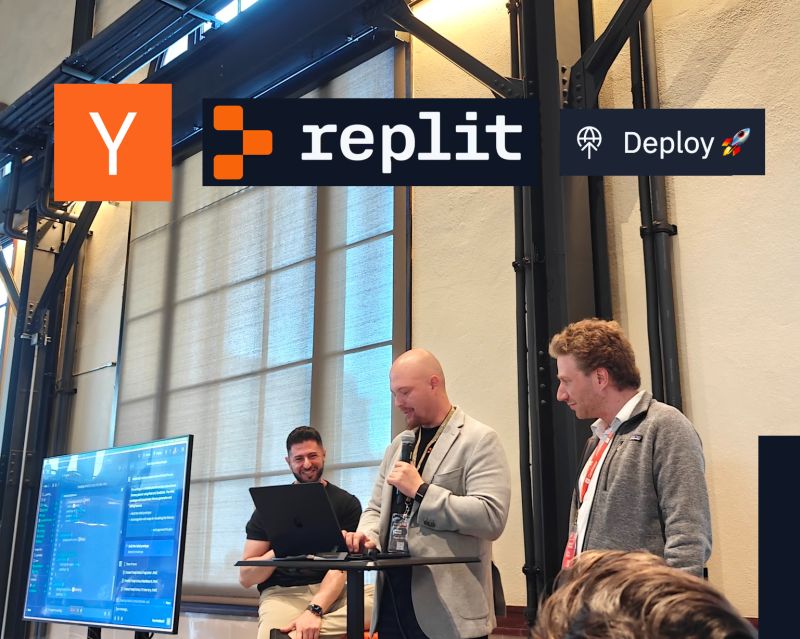
When a company's revenue jumps from $10 million to $100 million in nine months, you pay attention. When that growth comes from an AI agent that builds entire applications autonomously, you realize something fundamental just changed in software development. Replit Agent represents that change, and the numbers prove developers are ready for it. Replit started as a browser-based coding environment for education. Students could write Python or JavaScript without installing anything locally. Teachers loved it because setup time vanished. But the company saw something bigger. If you could run code in the browser, why not let AI write that code? That question led to Agent 3, an AI that doesn't just suggest code completions. It builds entire applications from scratch.
The 128k context window thing is real but prompt quality still matters a lot. Feeding v0 your entire design system and getting back something coherent requires thoughtful prompting, not just dumping files and hoping for magic.
The Explore Mode unlimited generations thing is the feature I keep telling other creators about. It flips the mental model from conserving credits to actually exploring ideas freely.
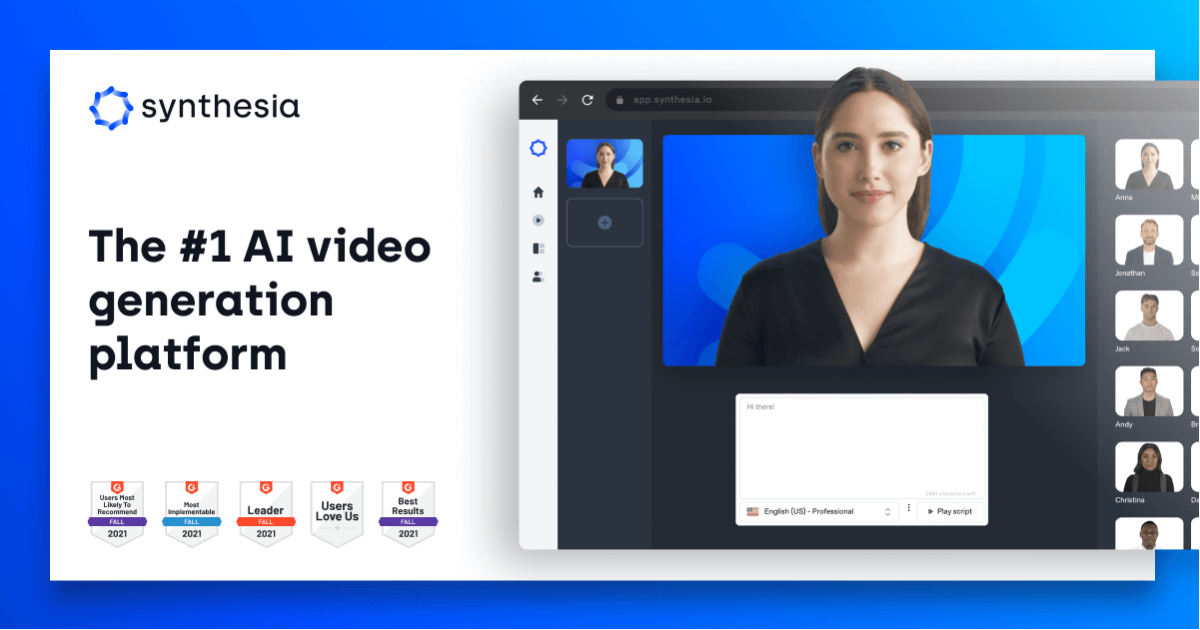
When a company raises $200 million in Series E funding during January 2026, investors are betting on more than potential. They're backing proven market demand and sustainable growth. Synthesia's funding round came alongside a 44% year-over-year increase in headcount to 706 employees, signaling aggressive expansion in a category the company essentially created: AI avatar-based video generation for enterprise training and communications. Corporate training videos have been expensive and slow to produce for decades. Recording a single 10-minute training module traditionally required booking a studio, hiring a presenter, scheduling a videographer, managing multiple takes, and editing everything together. If you needed to update information or translate content, you essentially started over. Synthesia eliminated this entire production workflow by replacing human presenters with AI avatars.
I love how the skirt length balances the crop top. It makes the whole look more versatile for different settings