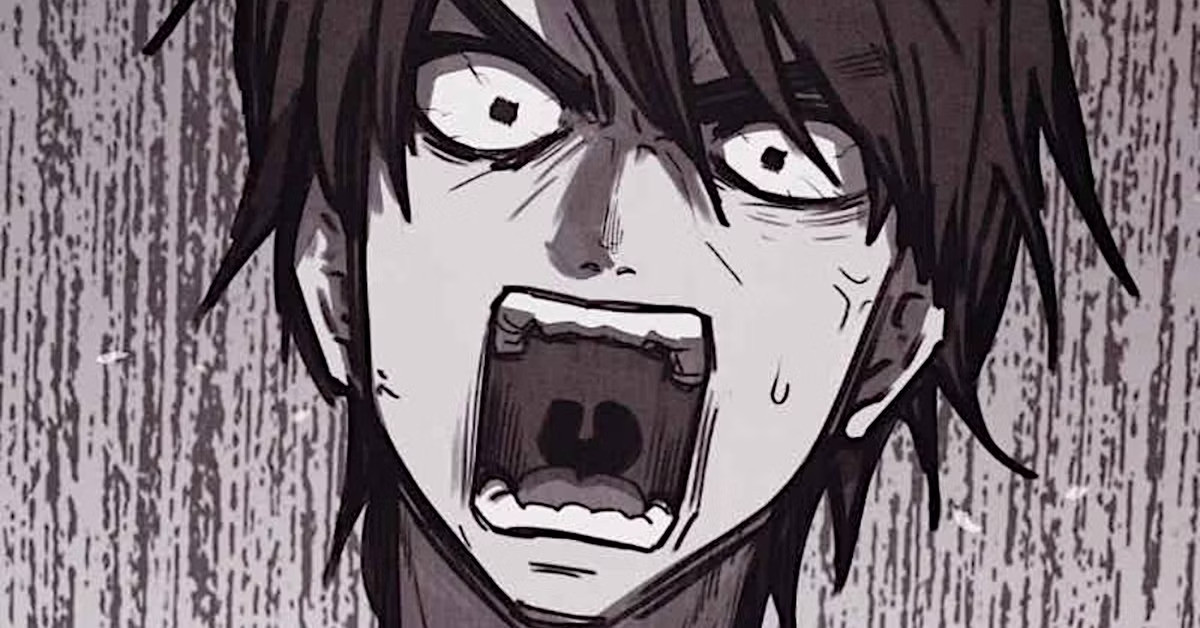

The structure shift in later volumes is divisive but I think it is actually the point. JH is showing you that there is no single hero story. Every person who steps into that ring has a complete life behind them.
Sign up to see more
SignupAlready a member?
LoginBy continuing, you agree to Sociomix's Terms of Service, Privacy Policy

The structure shift in later volumes is divisive but I think it is actually the point. JH is showing you that there is no single hero story. Every person who steps into that ring has a complete life behind them.
The article mentions Jinwoo's progression feeling earned but skips over how the daily quests in the early chapters were some of the most satisfying reading in the entire genre. That grind period was peak system manhwa.
Give it a proper OP with good music and this fandom is going to explode. The series has been waiting for that moment.
The system genre being described as wish fulfillment without requiring extensive world-building is exactly why it took off so fast. You can pick up any series and understand the stakes within three chapters.
The article's point about second chances resonating universally is why this genre crosses cultural and language barriers so effectively. The wish fulfillment is not about power, it is about the universal desire to do better with what you know now.
The Express-2 full body avatars are a genuine upgrade. The old talking head format always felt weirdly disembodied for anything involving physical procedures or demonstrations. Gestures matter more than people realize for instructional content.
If Terror Man is actually the Iron Man of a larger Korean superhero universe like some readers are saying, and they cut those connections in the anime to keep things simple, that is going to frustrate manhwa readers badly.
Honestly the most interesting competitive dynamic right now is not HeyGen versus Synthesia. It is what happens when every major creative platform adds an AI presenter feature natively. That is the existential question for standalone avatar video tools.
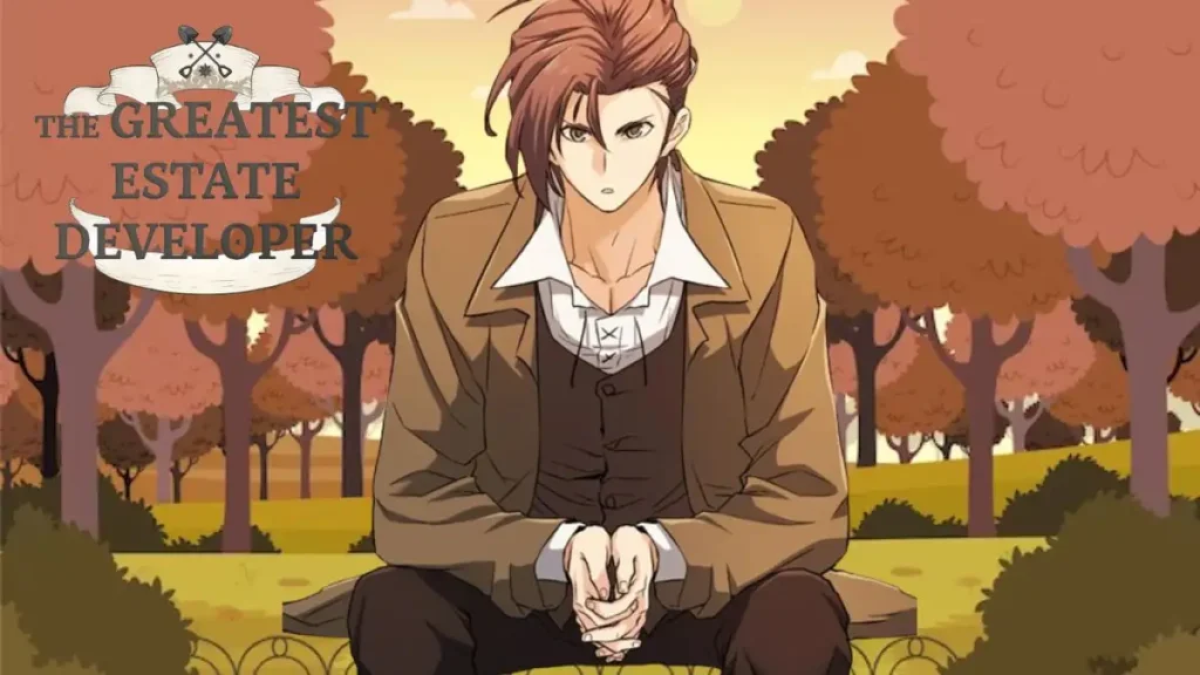
In a manhwa landscape dominated by dungeon crawling, regression narratives, and power fantasies, The Greatest Estate Developer stands out by asking a simple question: what if the protagonist's greatest weapon wasn't a sword or magic system, but civil engineering knowledge? This bizarre premise transforms into one of the most entertaining, genuinely funny, and surprisingly heartfelt series currently running, proving that innovation in storytelling comes from unexpected places. The series takes the familiar isekai setup where a modern person finds themselves in a fantasy world and completely subverts expectations. Instead of becoming an adventurer or hero, protagonist Kim Suho uses his engineering knowledge to revolutionize construction, infrastructure, and economic development. What sounds like it should be boring becomes absolutely captivating through sharp writing, excellent comedic timing, and genuine passion for showing how infrastructure improves lives.
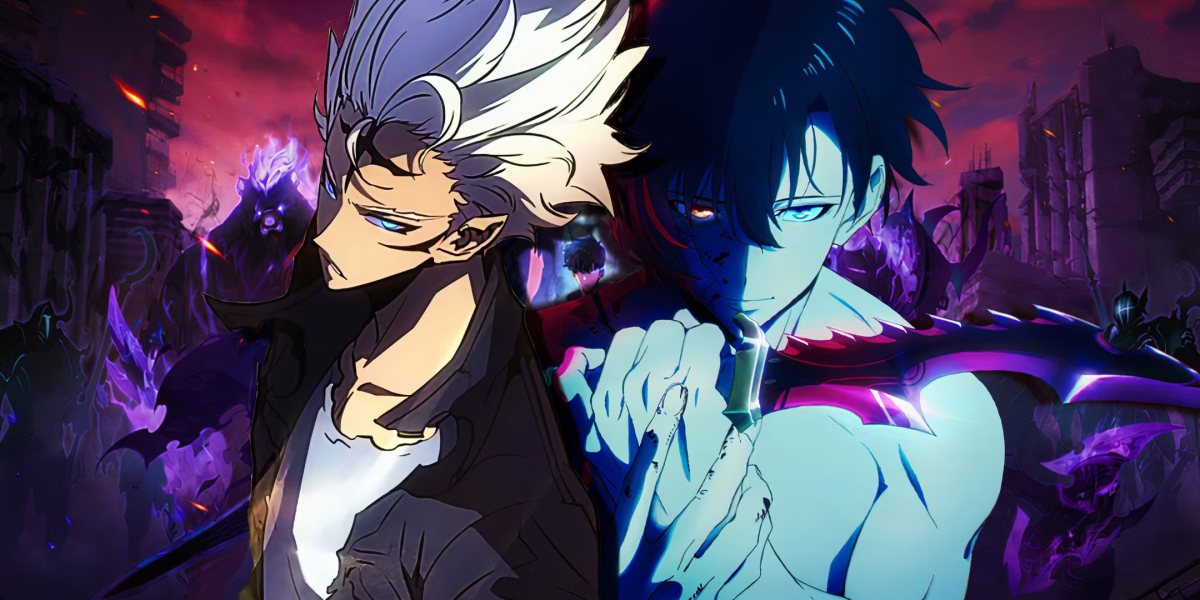
The manhwa world exploded when Solo Leveling first introduced us to Sung Jinwoo's journey from the weakest hunter to humanity's strongest defender. Now, Solo Leveling Ragnarok brings a fresh perspective to this beloved universe, and fans everywhere are asking the same questions. Can the sequel live up to the original? Do you need to read Solo Leveling first? What makes this continuation worth your time? This guide covers everything you need to know about Solo Leveling Ragnarok, whether you're a longtime fan or someone curious about jumping into the series Solo Leveling Ragnarok is not a reboot or alternate timeline. This is a direct sequel that continues the story years after the original series concluded. The protagonist shifts from Sung Jinwoo to his son, Sung Suho, who must forge his own path in a world still recovering from the catastrophic events his father prevented.
the compute math here is brutal for OpenAI. Spending 4x more on training and generating less revenue is not a gap you close by writing memos to investors.
The Explore Mode unlimited generations thing is the feature I keep telling other creators about. It flips the mental model from conserving credits to actually exploring ideas freely.
Muse Spark is described as small and fast by design, which is actually smart positioning. Inference costs are enormous at scale and a leaner model that serves three billion users efficiently beats a bloated frontier model that is too expensive to deploy broadly.
Project Glasswing is genuinely interesting because the same model that can find and chain vulnerabilities in the Linux kernel is now being used to patch them. Defense and offense running on the same engine.
The article's point about semiconductor development operating on three to five year timelines is the key constraint that I do not think gets enough emphasis. This is not like shipping a software update. You commit resources today for outcomes that land in a completely different competitive environment.
In a rare divergence from industry norms, TikTok has confirmed it will not adopt end-to-end encryption (E2EE) for direct messages, breaking with nearly every major social media platform and reigniting one of the tech industry's most contentious debates. The Chinese-owned video platform told the BBC exclusively that it believes the privacy technology championed by Meta, Apple, and others as essential for user protection actually makes users less safe by creating "dark spaces" where harmful content can flourish beyond the reach of safety teams and law enforcement. The decision puts TikTok in direct opposition to its competitors while potentially exposing the company to fresh criticism over data protection, particularly given ongoing concerns about its ties to Beijing.
Would silver jewelry or gold work better with this? I always get confused with pink