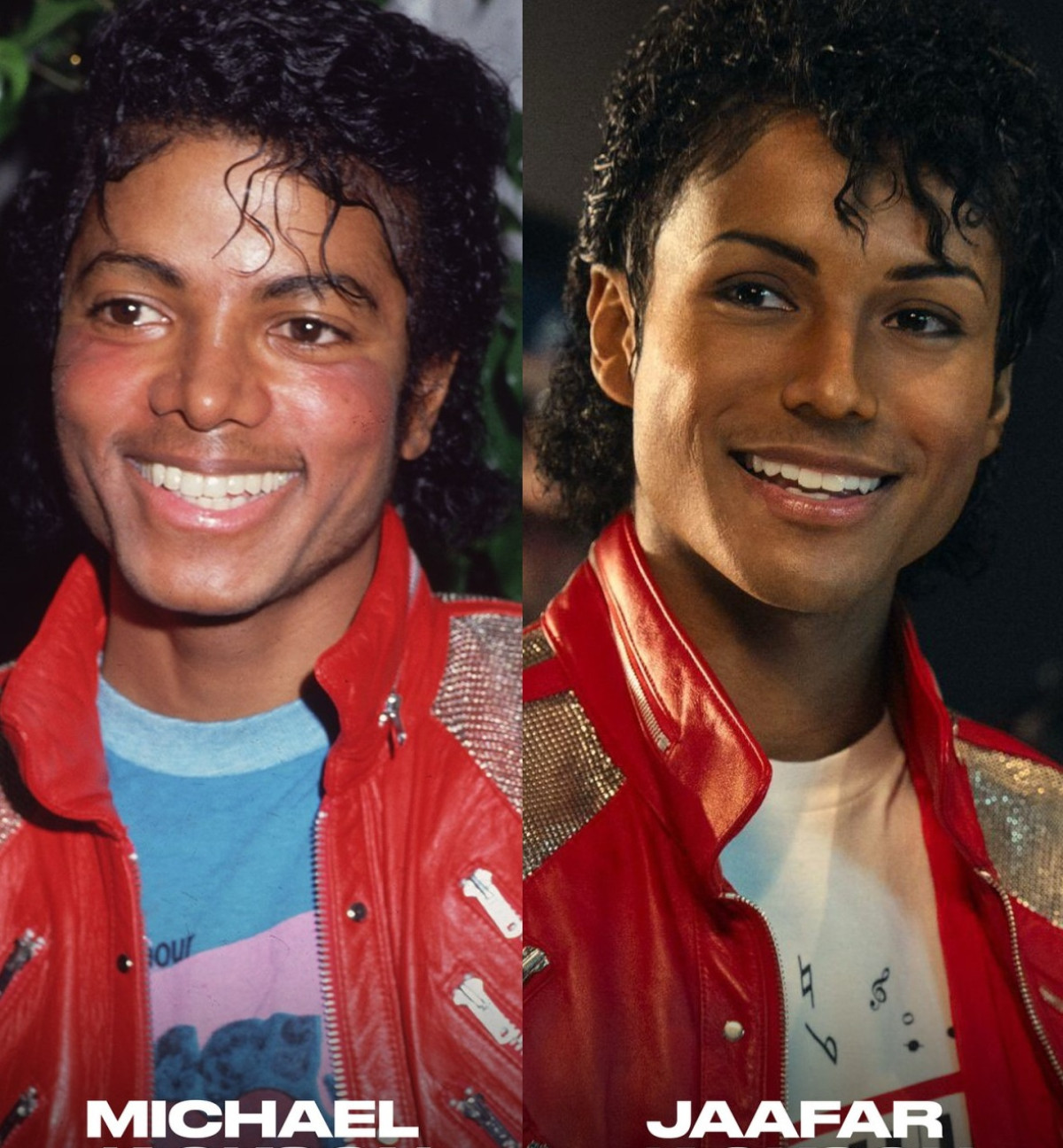
Jaafar literally looks so much like Michael it gives me chills every time I see a clip.
14
Sign up to see more
SignupAlready a member?
LoginBy continuing, you agree to Sociomix's Terms of Service, Privacy Policy

Jaafar literally looks so much like Michael it gives me chills every time I see a clip.
The article comparing the CGI problem in Blonde to the approach taken here is really insightful. The uncanny valley effect broke every scene in that film and it would have been catastrophic for a performer whose image is as culturally embedded as Michael Jackson's.
Jaafar Jackson plays Michael Jackson in the 2026 biopic Michael, and the story of how the 29-year-old newcomer landed the role is more interesting than the film itself. It started with a voice note. It involved a two-year global casting search with no formal auditions. It required Jaafar to keep the role secret from his own family for a full year. And it ended with his grandmother Katherine Jackson, the woman who knew Michael longest and loved him most, telling producers that her grandson didn't just resemble her son, he embodied him. After tracking every interview, behind-the-scenes video, and production report released since the film was announced, I can tell you that the choice of Jaafar was not nepotism, not a publicity play, and not the obvious pick everyone assumes it was. It was a hard-earned outcome of the most unusual casting process in recent biopic history, and here is how it actually happened.
Honest answer is nobody knows yet, but the same estate structure and legal constraints that shaped part one would absolutely apply to part two. The article covers this and the odds do not look good for a more candid second film.
Genuinely cannot believe a story about a guy mad someone plagiarized his failed art show has me this stressed. Kim should be studied.
The creators behind some of Webtoon's most successful psychological thrillers have returned with a series that's already generating intense discussion across manhwa communities. For fans who've been following the horror and thriller genre on digital platforms, Carnby Kim and Youngchan Hwang need no introduction. Their latest collaboration tackles themes of artistic plagiarism, obsession, and murder in ways that feel disturbingly relevant to current conversations about creative theft and AI-generated content. This guide covers everything you need to know about Copycat, from its premise and release schedule to how it compares with their previous masterpieces like Sweet Home and Bastard.

There is real tension in fights against opponents who move too fast for the nano machine to analyze in real time though. Those sequences look completely different and the art shifts to reflect actual desperation rather than calm tactical processing.
The biological manipulation visualization is so unsettling in the best possible way. Seeing the nano machine adjust Cheon Yeo-Woon at a microscopic level during fights creates this sense of alien precision that nothing else in murim does.
What does everyone think about the Regressor character's role, because the article only touches on it but the dynamic between two people with different kinds of foreknowledge seems like it deserves its own analysis piece.
The year 2026 marks a pivotal moment in the evolution of manhwa as a medium. What started as a trickle of Korean comics receiving anime adaptations has become a flood, with at least fifteen confirmed projects bringing beloved manhwa to animated life. This explosive growth wasn't accidental but the inevitable result of Solo Leveling's massive success proving that manhwa adaptations can compete with traditional manga anime in quality, popularity, and profitability. Studios across Japan and Korea are investing heavily in manhwa properties, recognizing that Korean storytelling brings fresh perspectives, innovative premises, and built-in fanbases eager to see their favorite series animated. The diversity of genres receiving adaptations demonstrates that manhwa appeal extends far beyond action and fantasy into romance, psychological thriller, sports, and slice-of-life territories.
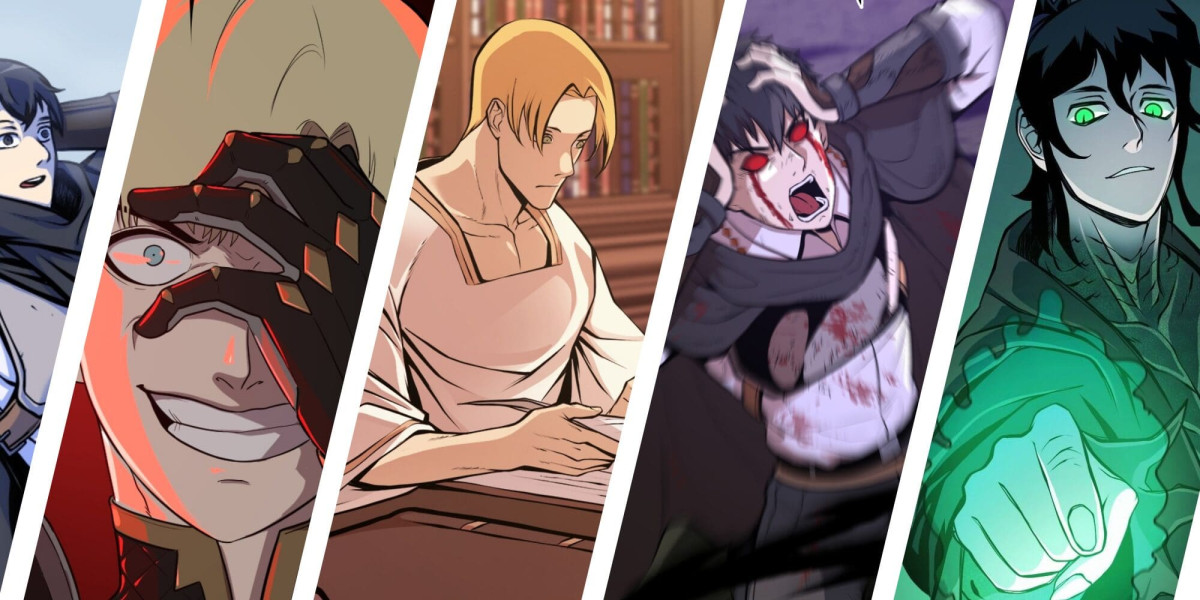
In a manhwa landscape dominated by dungeon crawling, regression narratives, and power fantasies, The Greatest Estate Developer stands out by asking a simple question: what if the protagonist's greatest weapon wasn't a sword or magic system, but civil engineering knowledge? This bizarre premise transforms into one of the most entertaining, genuinely funny, and surprisingly heartfelt series currently running, proving that innovation in storytelling comes from unexpected places. The series takes the familiar isekai setup where a modern person finds themselves in a fantasy world and completely subverts expectations. Instead of becoming an adventurer or hero, protagonist Kim Suho uses his engineering knowledge to revolutionize construction, infrastructure, and economic development. What sounds like it should be boring becomes absolutely captivating through sharp writing, excellent comedic timing, and genuine passion for showing how infrastructure improves lives.

The post touches on the minimalist art but doesn't mention how JH uses those bullseye impact visuals during punches. It is such a simple trick but it makes every hit feel surgical and precise.
They already do, sort of. Both platforms have policies requiring disclosure of AI-generated or AI-altered content in certain contexts. Enforcement is the gap, not policy. The infrastructure to detect it at scale does not really exist yet.
Does anyone else find it slightly ironic that a company founded on AI safety concerns is now building some of the most powerful autonomous hacking tools ever created, even if the intent is defensive? Where exactly is the safety-first line drawn?
Would love to see the actual numbers on how many grooming cases TikTok's system has prevented versus how many have gone undetected. They cite thousands of interventions but that stat is meaningless without knowing what percentage of total harmful interactions that represents.
Meta has just had one of its most important AI moments yet and the early signals are hard to ignore. Following the launch of its newest AI model Muse Spark, the company’s standalone Meta AI app surged dramatically in popularity, hinting at a much larger shift that is beginning to take shape. The release is particularly significant because it marks the first major AI model rollout under Alexandr Wang, who joined Meta to reboot its AI strategy. This is not just another incremental update. It represents a more aggressive and focused push into the AI race. According to data from Appfigures, Meta AI jumped from number 57 to number 5 on the U.S. App Store within a day of the launch. That kind of movement rarely happens without a strong underlying pull from users. It signals not curiosity but intent.
I would love to wear this gorgeous ball gown to my winter formal coming up! Do you think the crystal belt detail would be too flashy for a school event?