Probably not most, but there is definitely overlap where timing is the variable and food type gets blamed unfairly. A functional medicine approach would untangle those but many people never get that far.
6
Sign up to see more
SignupAlready a member?
LoginBy continuing, you agree to Sociomix's Terms of Service, Privacy Policy

Probably not most, but there is definitely overlap where timing is the variable and food type gets blamed unfairly. A functional medicine approach would untangle those but many people never get that far.
Speaking from experience reading murim manhwa for close to a decade, most series use qi visualization as an afterthought. Generic aura, maybe some floating particles. Nano Machine actually makes internal energy feel like a system with rules and logic, and that changes how fights read completely.
People always focus on Lloyd but the side characters who join the estate development, the workers and craftsmen and specialists, are genuinely well written. The series takes time with them in a way most action manhwa never would.
The empathy-through-shared-death-experience concept is the series operating as something closer to a philosophical thought experiment than a power fantasy. That is both its greatest strength and the reason casual readers sometimes do not connect with it.
Eleceed's charm is almost entirely carried by the found family dynamic between Jiwoo and Kayden. If the adaptation does not sell that relationship in the first two episodes the casual audience will not stick around.
Sports anime and manga have delivered countless memorable series over the decades, from Slam Dunk's basketball brilliance to Haikyuu's volleyball excellence. These stories typically follow familiar patterns: talented but inexperienced protagonist joins a team, forms bonds with teammates, faces rivals, grows through competition, and ultimately pursues championship glory. The formula works because it taps into universal themes about effort, teamwork, and self-improvement. The Boxer, created by JH, takes everything you expect from sports stories and systematically deconstructs it. The protagonist doesn't love boxing. He doesn't form deep bonds with teammates. He doesn't overcome challenges through friendship and determination. Instead, the manhwa presents one of the darkest, most psychologically complex examinations of combat sports ever created, wrapped in stunningly minimalist artwork that elevates the narrative to something approaching high art.

The world's largest hackathon mentioned in their blog materials being hosted on this platform is a signal that this is moving into serious developer community territory, not just the no-code crowd.
The article talks about Korean storytelling bringing fresh perspectives but does not engage with the fact that a lot of these premises, regression, system integration, hidden power, are just as formulaic as the manga genres they are supposedly refreshing.
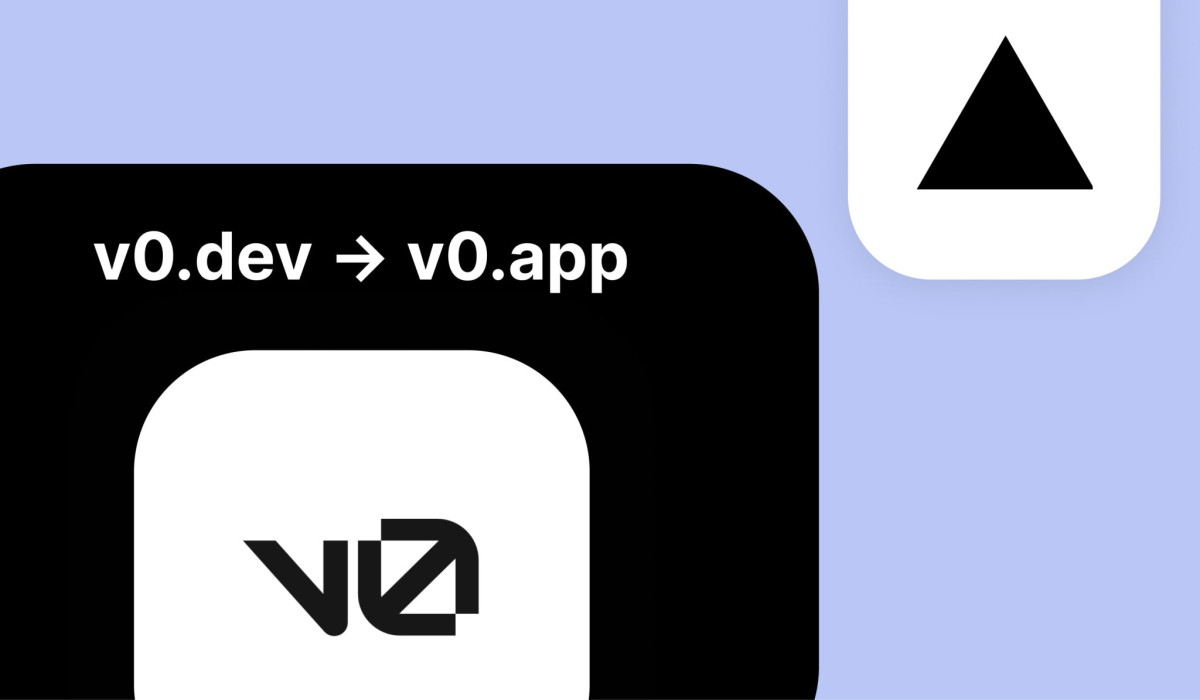
The designer-developer relationship has been tense for decades. Designers create pixel-perfect mockups in Figma. Developers translate them to code and somehow everything looks slightly wrong. Fonts don't match. Spacing is inconsistent. Buttons have different corner radiuses. Both sides get frustrated, blame each other, and the product suffers. V0 by Vercel is fixing this problem by generating production-quality React components that look exactly like the designs. The rebrand from v0.dev to v0.app in January 2026 signaled expanded ambitions beyond just UI component generation. Vercel positioned the tool for full-stack web development, though its core strength remains frontend excellence. That strategic clarity matters because trying to be everything often means excelling at nothing. V0 chose to dominate the handoff between design and code before expanding into other areas.
Forty million dollars in annual recurring revenue. Six months. One browser-based platform. Those numbers would be impressive for any software company, but for Bolt.new, they represent something more significant: the moment when development environments moved permanently into the cloud and never looked back. Traditional software development has always required setup. Install Node.js, configure your environment, manage dependencies, set up local servers, troubleshoot version conflicts. Before writing a single line of code, developers spend hours or even days preparing their machines. Junior developers often spend their first week just getting their environment working. Bolt.new eliminated all of that with WebContainers technology.
The etiquette question is real. Some clients will feel surveilled. Others will be fine with it. Telling them upfront seems obviously correct but I wonder how many people actually do.
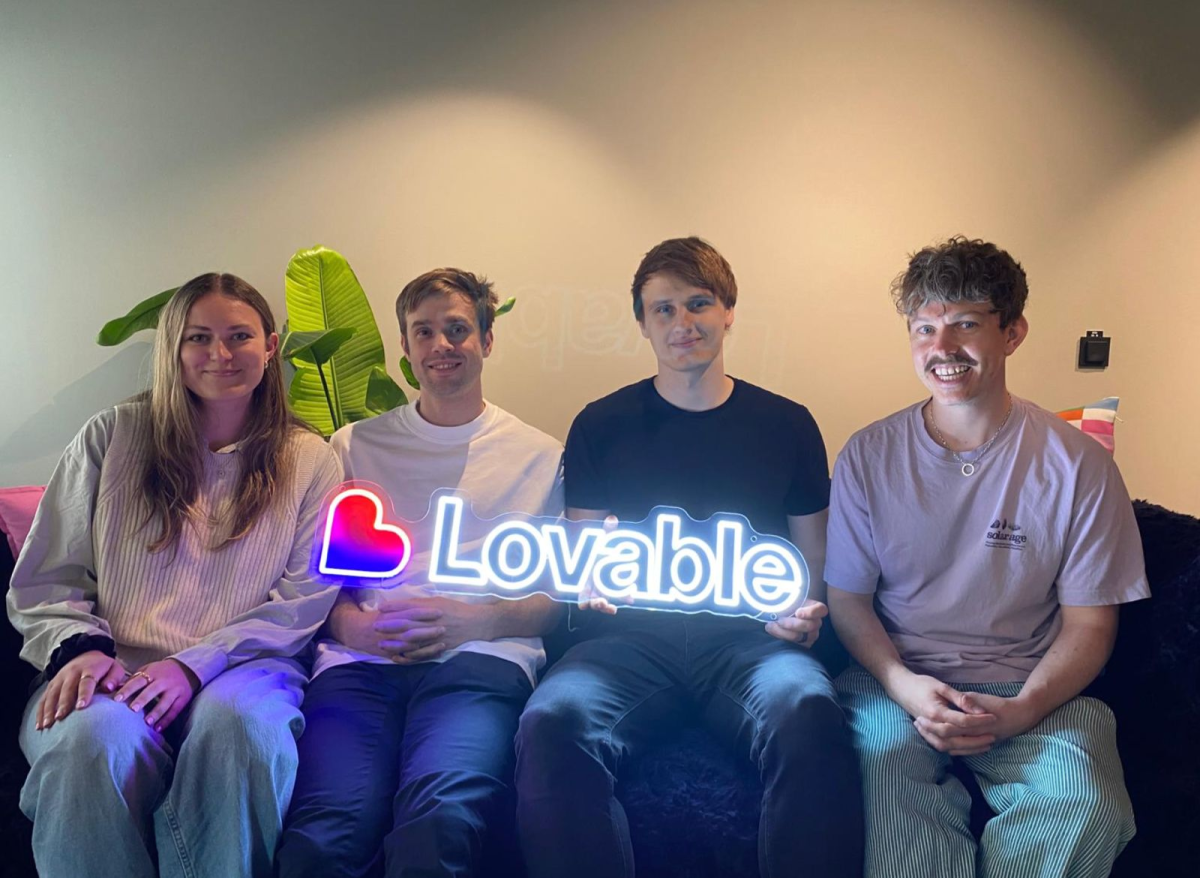
The software development world just witnessed something unprecedented. A European startup called Lovable reached $20 million in annual recurring revenue in just two months, making it potentially the fastest-growing startup in European history. But here's the twist that's making traditional software agencies nervous: they did it by giving non-technical founders the power to build full-stack applications without writing a single line of code. For years, the promise of no-code tools has been the same: anyone can build an app. But the reality has always been different. You'd create a beautiful frontend, get excited about your progress, and then hit the technical cliff. Suddenly you needed to configure databases, set up authentication, manage API keys, and deploy to servers. The "no-code" dream became a "hire-a-developer-anyway" nightmare.
That framing is not just branding though. The partners are specifically tasked with patching what is found, and the 135-day disclosure requirement means findings cannot just be buried. The incentive structure is pointed in the right direction even if it is imperfect.
The artificial intelligence industry is entering a new phase of competition, one that extends far beyond the development of advanced language models and neural networks. Companies are now engaged in an intense struggle to secure the computational infrastructure necessary to train and deploy their AI systems. In this context, Anthropic has reportedly begun exploring the possibility of designing and manufacturing its own specialized processors to power Claude, its flagship conversational AI platform, along with its broader suite of artificial intelligence technologies. This strategic consideration emerges at a critical moment in the global AI sector. The exponential growth in model complexity and capability has created unprecedented demand for high-performance computing resources. Sources familiar with the matter indicate that Anthropic is conducting feasibility studies to determine whether developing proprietary semiconductor technology could reduce its dependence on external hardware vendors while ensuring reliable access to the computing power required for its operations.

I'm thinking of getting these pants but in a solid navy. Would that work just as well with the brown top?
For anyone wondering about the slip underneath I recommend a seamless bodycon dress it works perfectly under lace!