
That is genuinely one of the best analogies I've read for this topic. Going to use that.
8
Sign up to see more
SignupAlready a member?
LoginBy continuing, you agree to Sociomix's Terms of Service, Privacy Policy

That is genuinely one of the best analogies I've read for this topic. Going to use that.
Bio-harmony eating is the nutrition trend reshaping how people think about food in 2026, and if you have been feeling like calorie counting is making you miserable without actually delivering results, the science behind it will likely resonate immediately. The concept is straightforward - instead of obsessively tracking numbers on a label, you align what you eat, when you eat it, and how much with your body's internal biological clock, your metabolic rhythms, and your gut's own needs. After spending several months testing this approach, shifting my own meals earlier in the day and rebuilding my eating window around natural light cycles, the difference in energy levels and digestion alone was enough to keep me from ever going back to a calorie app. This guide covers what bio-harmony eating actually is, the real science behind it, what a typical day looks like in practice, and who is most likely to benefit.

The article does not mention it but the calligraphy integrated into technique name displays is gorgeous. Even text is doing visual work in this series.
Calling this one of the most ambitious manhwa-to-anime projects ever when we have zero episode count confirmed is a stretch. The ambition is assumed, not proven yet.
Honestly the relic system is what separates this from every other regression manhwa. The idea that each artifact has its own personality and will is genuinely creative and I never get tired of seeing Jooheon negotiate or strong-arm them into submission.
If you're new to manhwa or looking to understand what all the hype is about regarding system and leveling stories, you've arrived at exactly the right place. The system genre has become one of the most popular and accessible entry points into Korean comics, offering clear progression mechanics, satisfying power growth, and narratives that feel like playing your favorite RPG or video game brought to life on the page. System manhwa feature protagonists who gain access to game-like interfaces that display stats, skills, quests, and levels. These systems provide clear frameworks for character growth and power progression. You can literally see the protagonist getting stronger through numbers increasing, new abilities unlocking, and challenges being overcome. This visual and concrete progression creates deeply satisfying reading experiences that hook readers from the first chapter.

The convergence of all these capabilities into one platform is what the article is really describing. Video generation, camera control, voice, lip sync, and collaboration in one subscription is a fundamentally different value proposition than standalone clip generators.
When a manhwa gets compared to Frieren: Beyond Journey's End but with a dark, bleak twist, expectations immediately rise. The Tale of the Skeleton Messenger, released on Webtoon in January 2026 by creators kain_y and SORAGAE, arrives with that exact premise and a tone that sets it apart from the increasingly crowded fantasy manhwa landscape. Most fantasy stories lean toward hopeful narratives where heroes overcome darkness through determination and friendship. Even dark fantasy typically offers glimmers of light and the possibility of triumph. The Tale of the Skeleton Messenger takes a different approach, embracing bleakness and melancholy in ways that feel refreshing rather than oppressive, thoughtful rather than nihilistic.

The manhwa community has been buzzing with anticipation ever since MAPPA Studio announced their adaptation of Omniscient Reader's Viewpoint. With a spring 2026 release date confirmed and 24 episodes planned for the first season, this adaptation represents one of the most ambitious manhwa-to-anime projects ever undertaken. But what makes this series so special that it warranted such a massive production commitment? If you're hearing about Omniscient Reader's Viewpoint for the first time or wondering whether the hype is justified, this guide will prepare you for what promises to be one of the biggest anime releases of the year. We'll cover the story premise, why it's captured millions of readers worldwide, what MAPPA's involvement means, and everything else you need to know before the first episode airs

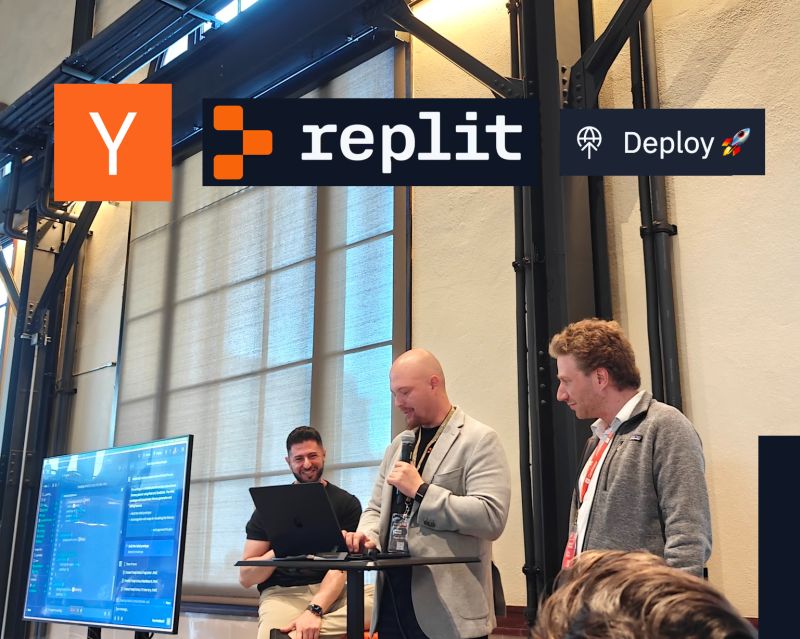
When a company's revenue jumps from $10 million to $100 million in nine months, you pay attention. When that growth comes from an AI agent that builds entire applications autonomously, you realize something fundamental just changed in software development. Replit Agent represents that change, and the numbers prove developers are ready for it. Replit started as a browser-based coding environment for education. Students could write Python or JavaScript without installing anything locally. Teachers loved it because setup time vanished. But the company saw something bigger. If you could run code in the browser, why not let AI write that code? That question led to Agent 3, an AI that doesn't just suggest code completions. It builds entire applications from scratch.
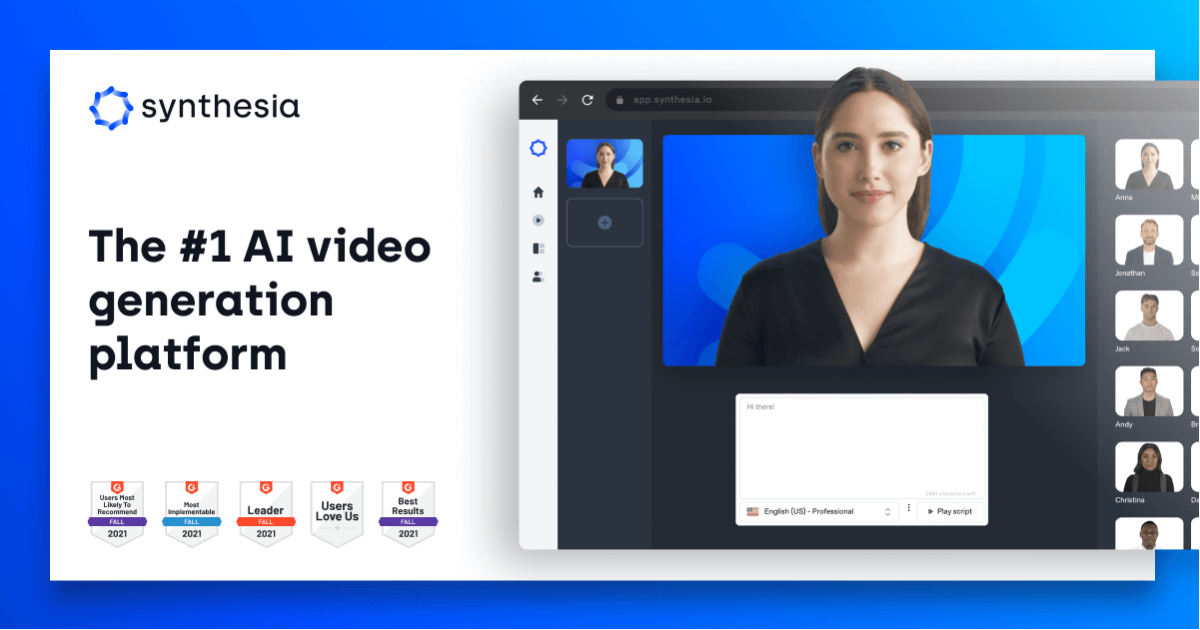
While Synthesia leads in revenue, HeyGen leads in customer acquisition momentum with 152% year-over-year growth in mid-market adoption. That explosive growth rate allowed HeyGen to close much of the customer count gap by late 2025. The company is winning by making avatar video accessible to smaller teams and individual creators who cannot afford enterprise contracts but need professional video capabilities. HeyGen positioned itself for small and medium businesses, marketing teams, content creators, and solo entrepreneurs rather than enterprise learning and development departments. This market segment values affordability, ease of use, and creative flexibility over governance features and advanced integrations. Average contract values are roughly one-third of Synthesia's, reflecting this different customer profile.

The Supabase integration is doing a lot of heavy lifting in this story. Supabase itself is an incredible piece of infrastructure and pairing it with AI generation is a genuinely powerful combination.
When a company raises $200 million in Series E funding during January 2026, investors are betting on more than potential. They're backing proven market demand and sustainable growth. Synthesia's funding round came alongside a 44% year-over-year increase in headcount to 706 employees, signaling aggressive expansion in a category the company essentially created: AI avatar-based video generation for enterprise training and communications. Corporate training videos have been expensive and slow to produce for decades. Recording a single 10-minute training module traditionally required booking a studio, hiring a presenter, scheduling a videographer, managing multiple takes, and editing everything together. If you needed to update information or translate content, you essentially started over. Synthesia eliminated this entire production workflow by replacing human presenters with AI avatars.
The designer-developer relationship has been tense for decades. Designers create pixel-perfect mockups in Figma. Developers translate them to code and somehow everything looks slightly wrong. Fonts don't match. Spacing is inconsistent. Buttons have different corner radiuses. Both sides get frustrated, blame each other, and the product suffers. V0 by Vercel is fixing this problem by generating production-quality React components that look exactly like the designs. The rebrand from v0.dev to v0.app in January 2026 signaled expanded ambitions beyond just UI component generation. Vercel positioned the tool for full-stack web development, though its core strength remains frontend excellence. That strategic clarity matters because trying to be everything often means excelling at nothing. V0 chose to dominate the handoff between design and code before expanding into other areas.

Meta has just had one of its most important AI moments yet and the early signals are hard to ignore. Following the launch of its newest AI model Muse Spark, the company’s standalone Meta AI app surged dramatically in popularity, hinting at a much larger shift that is beginning to take shape. The release is particularly significant because it marks the first major AI model rollout under Alexandr Wang, who joined Meta to reboot its AI strategy. This is not just another incremental update. It represents a more aggressive and focused push into the AI race. According to data from Appfigures, Meta AI jumped from number 57 to number 5 on the U.S. App Store within a day of the launch. That kind of movement rarely happens without a strong underlying pull from users. It signals not curiosity but intent.
Has anyone found a good dupe for these sandals? Looking for something comfortable but stylish
What about adding a delicate necklace or would that compete too much with the sequins?