
The point about environmental destruction persisting across a fight is huge and I never consciously noticed it until this article pointed it out. Once you see it you cannot unsee it.
Sign up to see more
SignupAlready a member?
LoginBy continuing, you agree to Sociomix's Terms of Service, Privacy Policy

The point about environmental destruction persisting across a fight is huge and I never consciously noticed it until this article pointed it out. Once you see it you cannot unsee it.
The post is a bit too generous. The early chapters are genuinely rough to sit through and asking readers to push past them is a hard sell when there are so many better-paced alternatives available right now.
From what most readers are saying, around chapter five to six things really click into place once the regression timeline establishes itself properly.
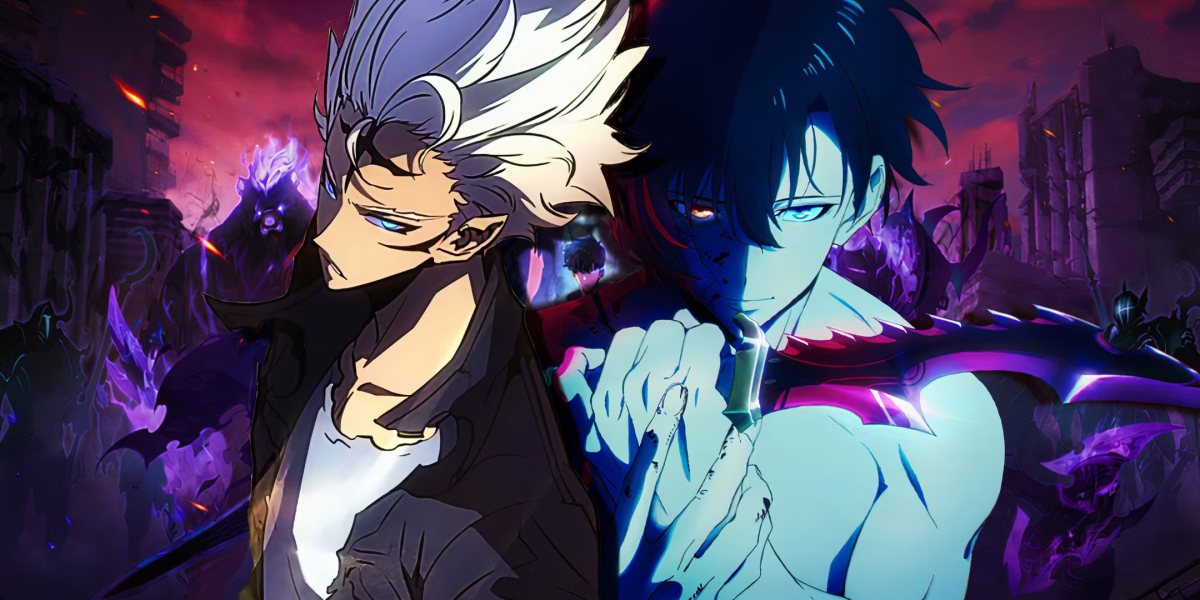
The manhwa world exploded when Solo Leveling first introduced us to Sung Jinwoo's journey from the weakest hunter to humanity's strongest defender. Now, Solo Leveling Ragnarok brings a fresh perspective to this beloved universe, and fans everywhere are asking the same questions. Can the sequel live up to the original? Do you need to read Solo Leveling first? What makes this continuation worth your time? This guide covers everything you need to know about Solo Leveling Ragnarok, whether you're a longtime fan or someone curious about jumping into the series Solo Leveling Ragnarok is not a reboot or alternate timeline. This is a direct sequel that continues the story years after the original series concluded. The protagonist shifts from Sung Jinwoo to his son, Sung Suho, who must forge his own path in a world still recovering from the catastrophic events his father prevented.
The article says transcription accuracy exceeds 95% with clear audio. That qualifier, with clear audio, is doing a lot of heavy lifting. Home offices, open floor plans, overlapping speakers, accents. Real conditions are messier than the demo.
Sending a bot to a meeting instead of attending should require telling the other participants first. It should not be something you can do silently. The transparency norm should be explicit.
Asked my reading group to pick this up and we spent an entire session just discussing the implications of Bigang knowing individual demons personally. The interpersonal dread of that is immense.
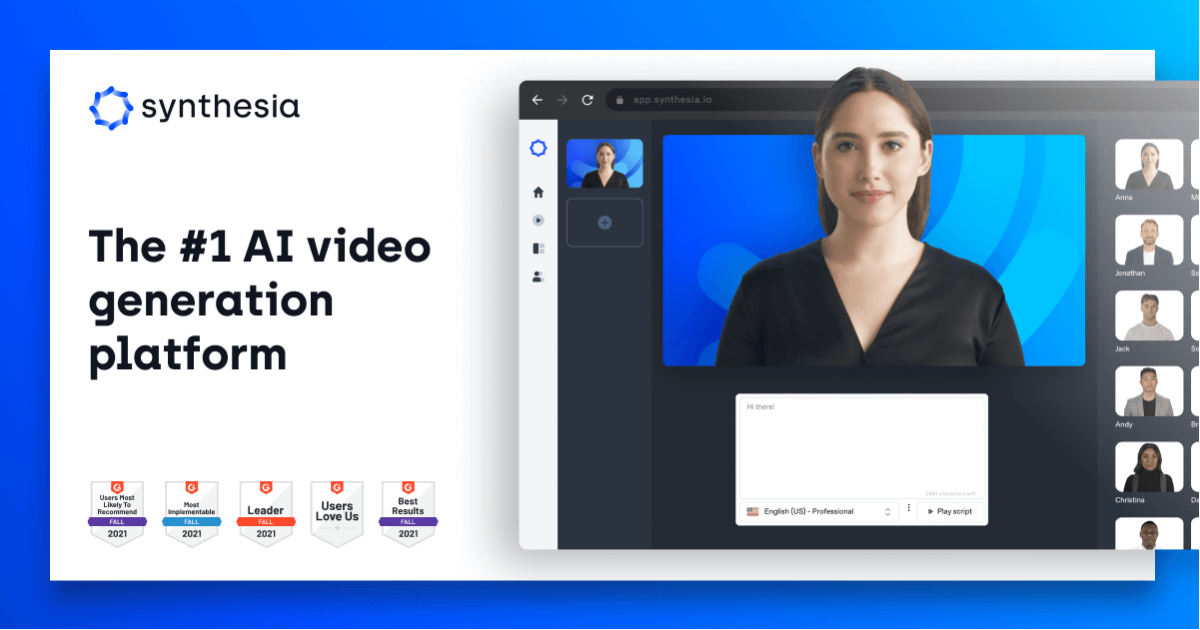
When a company raises $200 million in Series E funding during January 2026, investors are betting on more than potential. They're backing proven market demand and sustainable growth. Synthesia's funding round came alongside a 44% year-over-year increase in headcount to 706 employees, signaling aggressive expansion in a category the company essentially created: AI avatar-based video generation for enterprise training and communications. Corporate training videos have been expensive and slow to produce for decades. Recording a single 10-minute training module traditionally required booking a studio, hiring a presenter, scheduling a videographer, managing multiple takes, and editing everything together. If you needed to update information or translate content, you essentially started over. Synthesia eliminated this entire production workflow by replacing human presenters with AI avatars.
While Synthesia leads in revenue, HeyGen leads in customer acquisition momentum with 152% year-over-year growth in mid-market adoption. That explosive growth rate allowed HeyGen to close much of the customer count gap by late 2025. The company is winning by making avatar video accessible to smaller teams and individual creators who cannot afford enterprise contracts but need professional video capabilities. HeyGen positioned itself for small and medium businesses, marketing teams, content creators, and solo entrepreneurs rather than enterprise learning and development departments. This market segment values affordability, ease of use, and creative flexibility over governance features and advanced integrations. Average contract values are roughly one-third of Synthesia's, reflecting this different customer profile.
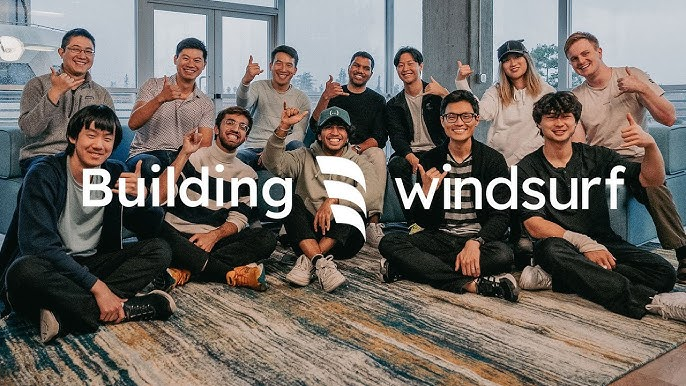
Developers have a new anxiety in 2026: token anxiety. You're in the middle of debugging a complex problem, the AI is helping you refactor three files simultaneously, and suddenly you wonder if this session is about to cost you $50. That mental tax slows you down and makes you second-guess using the tool you're paying for. Windsurf eliminated that anxiety with a simple decision: flat monthly pricing with no token limits. Fifteen dollars per month. Unlimited usage. No tracking credits or calculating costs per query. That pricing model sounds almost boring compared to the complex token systems other AI coding tools use, but boring is exactly what professional developers want when it comes to pricing. They want predictable costs and unlimited usage so they can focus on writing code instead of budgeting AI queries.
Just wild to me that we went from videos requiring studios and camera crews to write a script, click generate, download in maybe two years.
My concern is the Fed. Every time markets price in cuts too early, Powell delivers a reality check. With inflation still sticky, the window for dovish pivot expectations is narrow.
the fact that this model found thousands of zero-day vulnerabilities in every major OS and browser in just a few weeks is either the most impressive or most terrifying thing I have heard all year. Maybe both.
Hot take, the people claiming this is all just a short squeeze with no real legs said the same thing at $40K, $50K, and $60K. At what point does the narrative update?
As a software developer I have complicated feelings about this. On one hand it could meaningfully improve the security of code I ship. On the other hand the same capability that patches my code can be used to attack systems I depend on if it ever escapes the restricted group.
This is literally the argument Anthropic is making for why Glasswing exists. You get defenders trained and infrastructure hardened before the capability is everywhere. It is a race and they know it.
The article is correct that financial institutions are particularly vulnerable but leaves out that many of the most critical systems are not directly internet-facing. The real attack surface is the supply chain around those legacy core systems, not the systems themselves.
I tried a similar style but struggled with the crop top length. Any tips for finding the right proportions?