Jobs that require you to physically be present will always have a floor that remote and automated alternatives cannot undercut. That is the deepest version of the job security argument and it applies perfectly here.
23
Sign up to see more
SignupAlready a member?
LoginBy continuing, you agree to Sociomix's Terms of Service, Privacy Policy
Jobs that require you to physically be present will always have a floor that remote and automated alternatives cannot undercut. That is the deepest version of the job security argument and it applies perfectly here.
Lorin is the character I am most curious about honestly. The love interest whose love letters are being ghostwritten is either deeply tragic or deeply manipulative and the article wisely does not commit to which reading is correct.
Aniplex handling this alongside their existing slate is what keeps me cautiously optimistic. They have serious infrastructure for prestige anime projects and they clearly believe in this IP.
The constellation system in ORV basically predicted how social media audiences consume content. Watching powerful beings sponsor humans for entertainment value hits differently in 2025 than it probably did when the story was written.
The cat is not a joke by the way. It is established early and keeps having consequences. It is doing legitimate narrative work while also being extremely funny. That balance is a skill.
The regression subgenre has exploded in popularity over the past few years, becoming one of the most beloved narrative frameworks in Korean manhwa. The core premise is deceptively simple: a protagonist dies or fails catastrophically, then returns to an earlier point in time with their memories intact. Armed with future knowledge, they get a second chance to change their fate, save loved ones, gain power, or pursue revenge against those who wronged them. What makes regression stories so compelling is the combination of dramatic irony, strategic satisfaction, and emotional depth they provide. Readers know what the protagonist knows, creating tension when other characters make mistakes we can see coming. We feel smart alongside protagonists who use foreknowledge to outmaneuver enemies. And we experience the emotional weight of carrying memories of futures that haven't happened yet, of people who died who are currently alive, of betrayals that haven't occurred.

The Cha Hae-in storyline is the most emotionally resonant subplot Ragnarok has developed and the fact that her chapter dropped on her actual birthday in universe made fans absolutely lose it.
The Figma import feature is criminally underrated. Bring in your design frames directly and Bolt converts them into working code. That alone collapses the handoff process between design and engineering by days.
The post mentions integration with SAP SuccessFactors and Workday Learning. The API quality on those integrations is where the rubber meets the road. Surface level connectors are common. Deep native integrations that actually hold up at scale are rare.
The eye contact feature is hit or miss depending on your webcam quality and lighting. With decent setup it looks natural enough that most viewers would not notice. With bad lighting it does look slightly uncanny.
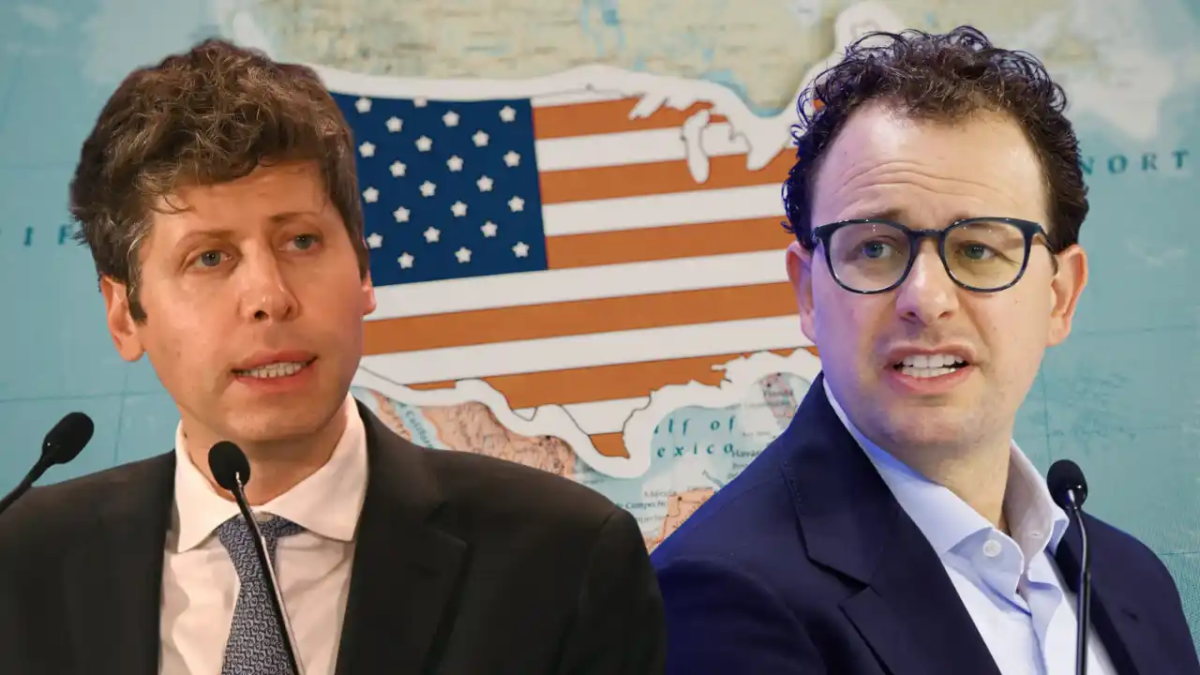
There's a photograph from February 2026 that pretty much sums up the state of AI right now. At the India AI Impact Summit in New Delhi, Indian Prime Minister Narendra Modi invited the world's tech leaders onstage for a group photo. Everyone held hands. Well, almost everyone. Sam Altman of OpenAI and Dario Amodei of Anthropic, standing right next to each other, refused to clasp hands and instead raised their fists separately. The internet, predictably, lost its mind. An awkward moment between OpenAI CEO Sam Altman and Anthropic CEO Dario Amodei at an AI Summit captured the increasingly icy relations between two rival tech leaders who started off as colleagues. That's not just petty drama. It's a window into what may be the most consequential corporate rivalry in the technology world right now, one that's playing out in boardrooms, courtrooms, Super Bowl ads, and billion-dollar compute deals all at once.
The designer-developer relationship has been tense for decades. Designers create pixel-perfect mockups in Figma. Developers translate them to code and somehow everything looks slightly wrong. Fonts don't match. Spacing is inconsistent. Buttons have different corner radiuses. Both sides get frustrated, blame each other, and the product suffers. V0 by Vercel is fixing this problem by generating production-quality React components that look exactly like the designs. The rebrand from v0.dev to v0.app in January 2026 signaled expanded ambitions beyond just UI component generation. Vercel positioned the tool for full-stack web development, though its core strength remains frontend excellence. That strategic clarity matters because trying to be everything often means excelling at nothing. V0 chose to dominate the handoff between design and code before expanding into other areas.

The glasswing butterfly metaphor works in one more uncomfortable way. Glasswing butterflies survive by being transparent, hiding in plain sight. Whether that describes Anthropic's safety strategy or exposes its limits is a fair question.
The article is pretty fair but I think it undersells how much the ByteDance ownership structure matters. Yes, TikTok US operations are technically separate now, but ByteDance retains a significant ownership stake and continues to run TikTok internationally. The legal exposure is real.
Codex is genuinely excellent for terminal-based debugging and DevOps work. The Terminal-Bench scores back this up. Stop acting like Claude Code won every category because it did not.
As a software developer I have complicated feelings about this. On one hand it could meaningfully improve the security of code I ship. On the other hand the same capability that patches my code can be used to attack systems I depend on if it ever escapes the restricted group.
Solid article overall, but I would push back on the framing that this is purely strategic analysis rather than active development. Companies do not announce that they are studying chip development unless they have already decided to do it. This is a managed leak.
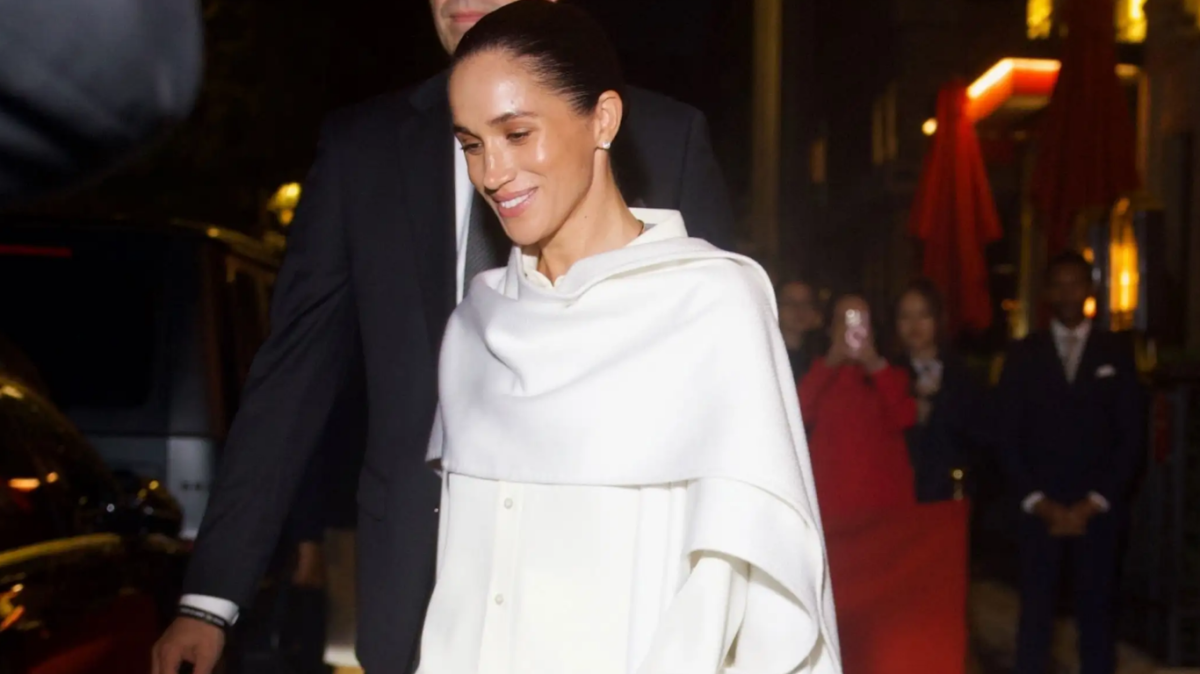
When you hear “Paris Fashion Week,” your mind races to haute couture, bold statements, and the world’s most glamorous attendees. But on October 4, 2025, the scene got a surprise guest—Meghan Markle, making what might be her most talked-about entrance yet. To call it a “debut” feels almost too neat, as if she’s stepping into a world she’s never touched. Yet, Meghan’s gradual evolution as a style influencer has been anything but accidental. Her Paris moment isn’t just celebrity spectacle; it’s a statement, a pivot, and a nuanced step into a new chapter. Here’s my take on why this matters.
The graphics on the jeans add such a fun element! Though they might limit the outfit's versatility