
So does that mean most people do not actually have the food sensitivities they think they have, they just have misaligned meal timing?
11
Sign up to see more
SignupAlready a member?
LoginBy continuing, you agree to Sociomix's Terms of Service, Privacy Policy

So does that mean most people do not actually have the food sensitivities they think they have, they just have misaligned meal timing?
Every few weeks I go looking for any update on this anime and every time I find nothing. At this point a late 2027 premiere feels more realistic than anything in 2026.
Sports anime and manga have delivered countless memorable series over the decades, from Slam Dunk's basketball brilliance to Haikyuu's volleyball excellence. These stories typically follow familiar patterns: talented but inexperienced protagonist joins a team, forms bonds with teammates, faces rivals, grows through competition, and ultimately pursues championship glory. The formula works because it taps into universal themes about effort, teamwork, and self-improvement. The Boxer, created by JH, takes everything you expect from sports stories and systematically deconstructs it. The protagonist doesn't love boxing. He doesn't form deep bonds with teammates. He doesn't overcome challenges through friendship and determination. Instead, the manhwa presents one of the darkest, most psychologically complex examinations of combat sports ever created, wrapped in stunningly minimalist artwork that elevates the narrative to something approaching high art.

Every manhwa adaptation announcement lately is surrounded by production mystery and delays. At this point I expect at least one year between announcement and any actual footage.
Anyone else think the explosion of system manhwa since Solo Leveling blew up has produced way too many low-quality clones? For every ORV there are fifty forgettable ones with identical blue stat screens.
Lorin is the character I am most curious about honestly. The love interest whose love letters are being ghostwritten is either deeply tragic or deeply manipulative and the article wisely does not commit to which reading is correct.
Aired on Fuji TV and Kansai TV in Japan means this is getting legitimate primetime treatment. That is not nothing.
In a medium filled with talented artists producing stunning work, making a claim about any series having the "best" art feels bold. Yet Nano Machine consistently delivers combat sequences so fluid, detailed, and visually innovative that even readers who don't typically care about martial arts stories find themselves captivated by the sheer spectacle on display. The series combines traditional murim aesthetics with futuristic sci-fi elements, creating a unique visual identity that stands apart from typical cultivation manhwa. The nano machine implanted in protagonist Cheon Yeo-Woon's body doesn't just give him power. It becomes a storytelling device that allows the artist to visualize techniques, energy flows, and combat analysis in ways other series can't replicate.

lmao at describing a digital avatar of your CEO delivering company updates as feeling personal. Babe that is a robot with your boss's face.
The article glosses over the art quality which deserves more attention. The visual contrast between traditional murim aesthetics and the demon technology designs is striking.
Hot take: the real innovation here is not the AI, it is the closed browser feedback loop. Every other tool generates code and wishes you luck. Actually running it and fixing errors automatically is the part that changes everything.
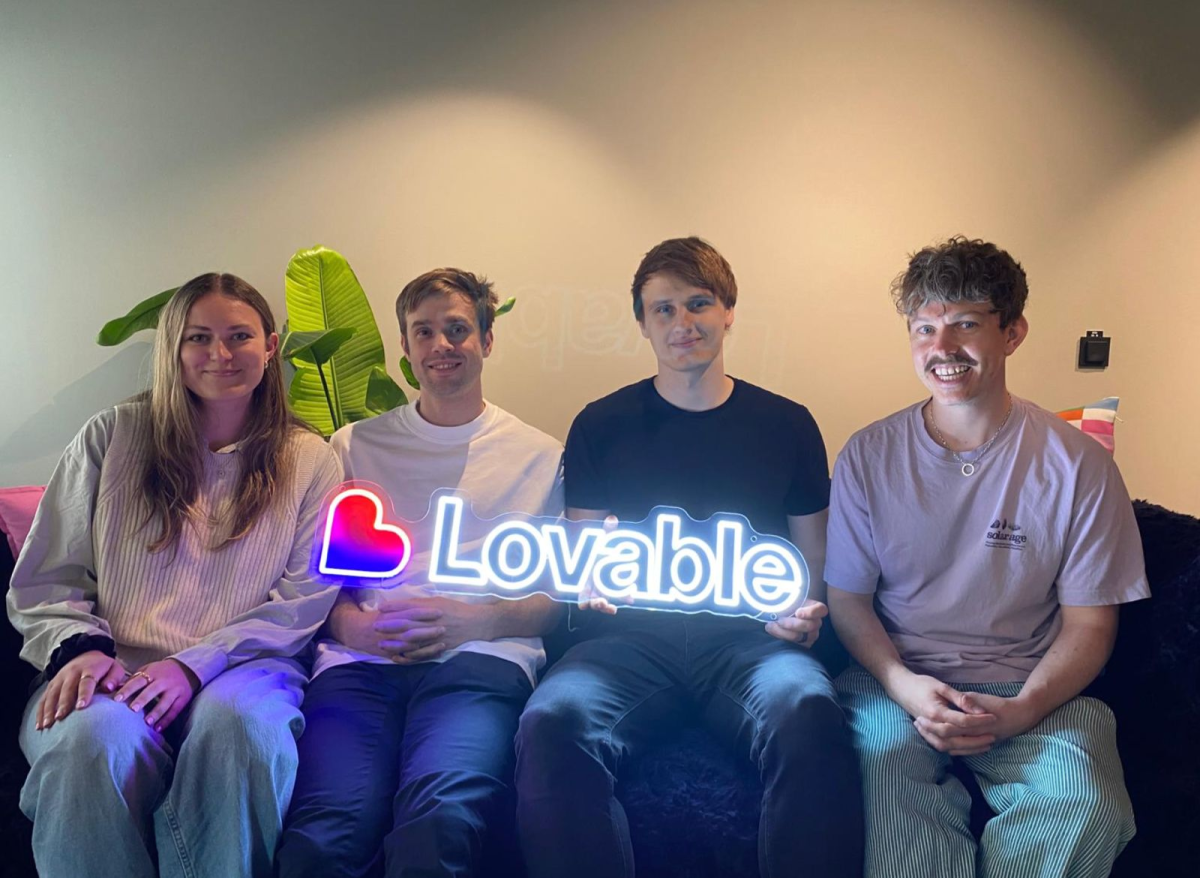
The software development world just witnessed something unprecedented. A European startup called Lovable reached $20 million in annual recurring revenue in just two months, making it potentially the fastest-growing startup in European history. But here's the twist that's making traditional software agencies nervous: they did it by giving non-technical founders the power to build full-stack applications without writing a single line of code. For years, the promise of no-code tools has been the same: anyone can build an app. But the reality has always been different. You'd create a beautiful frontend, get excited about your progress, and then hit the technical cliff. Suddenly you needed to configure databases, set up authentication, manage API keys, and deploy to servers. The "no-code" dream became a "hire-a-developer-anyway" nightmare.
The article mentions real-browser testing as the key differentiator. This is accurate. I cannot count how many times I have used AI tools that produce code that looks perfect and then immediately fails with a very obvious runtime error. The self-correcting loop matters.
The AI video generation race just got a clear winner. Runway Gen-4.5 topped the Video Arena leaderboard with a 1,247 Elo score, surpassing both Google Veo 3 and OpenAI Sora 2. For those unfamiliar with Elo ratings, this is the same system used to rank chess players and competitive games. A higher score means more wins in head-to-head comparisons. When real users compare videos side by side without knowing which AI generated them, they consistently choose Runway's output. Runway didn't start as an enterprise video tool. It began as a playground for artists and filmmakers who wanted to experiment with AI-generated visuals. The early versions produced fascinating but inconsistent results. Sometimes you'd get stunning cinematic footage. Other times you'd get distorted motion and unrealistic physics. Gen-4.5 changed that equation by achieving breakthrough consistency in motion quality and physical accuracy.
The fact that Premiere Pro has now added text-based editing to its own timeline is probably the clearest signal that Descript validated the concept. When the incumbents copy your core feature you have already won the argument.
Speaking from experience as a parent of a teenager who was approached by a predator on a different platform, the platforms that flagged and reported it did catch it before anything happened. So I understand the argument. But I also know TikTok specifically is not a company I would hand that responsibility to.
Speaking as someone with a background in open source development, having the Linux Foundation in the coalition is not just symbolic. They have direct commit access to the most widely deployed codebase in the world. That matters operationally.
Whatever Anthropic decides, the mere fact that they are at the scale where custom silicon economics are worth studying tells you something important about how far and how fast this company has grown.
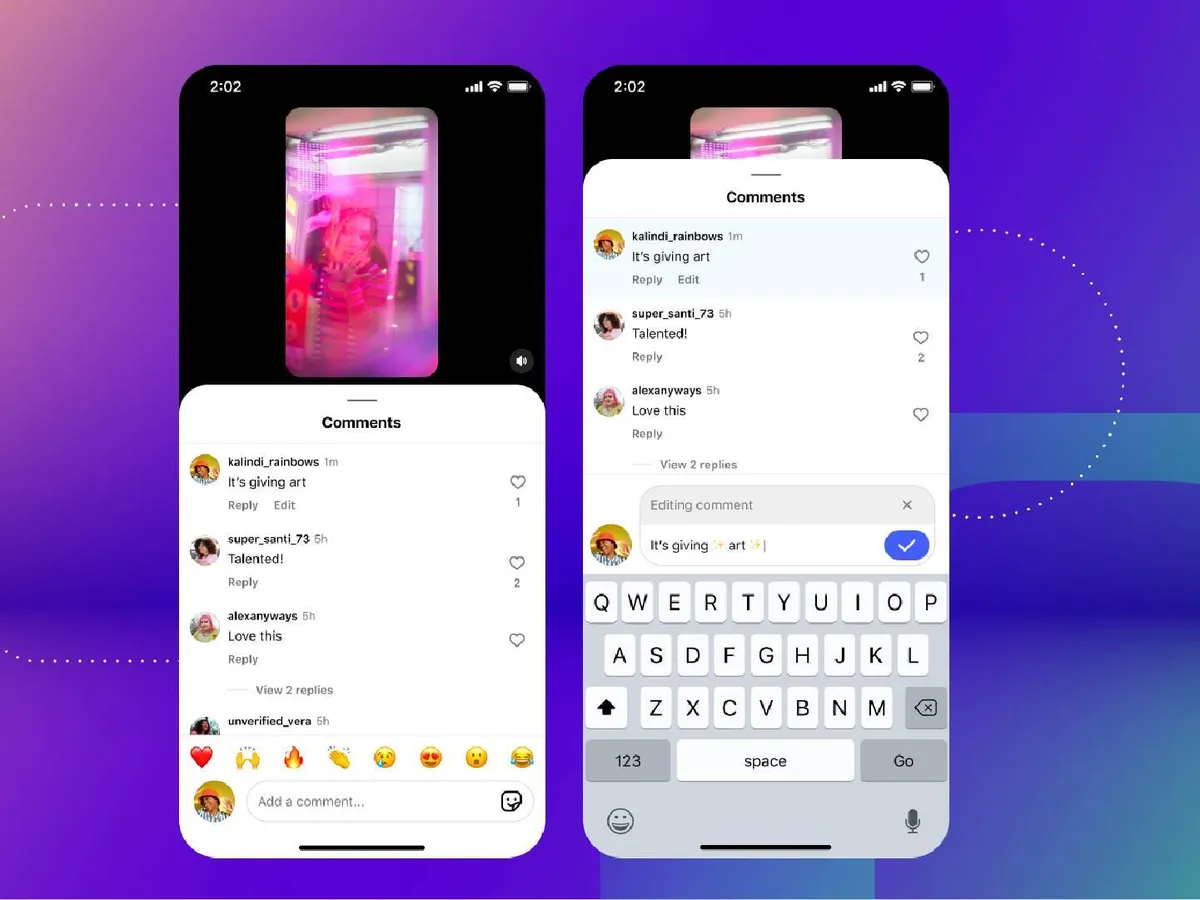
Instagram has rolled out a small but long overdue feature that users have been asking for years. You can now edit your comments after posting them. This simple change solves a very real frustration. Until now, fixing even the smallest typo meant deleting your comment and writing it all over again. That friction is finally gone. But there is a boundary. You get a 15 minute window after posting to make edits. Within that time, you can update your comment as many times as you want. There is also a layer of transparency built in. Once a comment is edited, others will be able to see that it has been modified. However, unlike platforms such as iMessage, Instagram does not show the edit history. What was originally written stays hidden.
This would photograph beautifully at sunset. The pink would catch the golden light so nicely!