Anyone else find it odd that the leaving Neverland documentary has apparently been pulled from streaming while this gets a 200 million dollar theatrical release? The two things feel connected in a way that deserves more discussion.
15
Sign up to see more
SignupAlready a member?
LoginBy continuing, you agree to Sociomix's Terms of Service, Privacy Policy

Anyone else find it odd that the leaving Neverland documentary has apparently been pulled from streaming while this gets a 200 million dollar theatrical release? The two things feel connected in a way that deserves more discussion.
The comparison to a heist narrative rather than a dungeon crawler is underrated. Tomb Raider King operates on information advantage and preparation in a way that most action manhwa do not even attempt.
The novel is already complete at 125 chapters including side stories, so the full story exists, it is just the manhwa adaptation that is ongoing. If you want to read ahead the light novel translation community has been active on it for a while now.
Wait, is Omniscient Reader even on this list? Because that is the adaptation I thought was supposed to arrive this year and the article does not seem to mention it directly.
The S-Rank Raid Arc that's been running lately has people comparing it to the Jeju Island Raid from the original, and honestly that comparison feels earned. The scale is just massive.
The ufotable rumor has been floating around for a while but nothing official confirms it. Demon Slayer level visual quality applied to ORV action scenes though, just thinking about it.
For people on the fence, chapters one and two are a slow burn but chapter three completely changed my read on everything that came before. Give it at least that far.
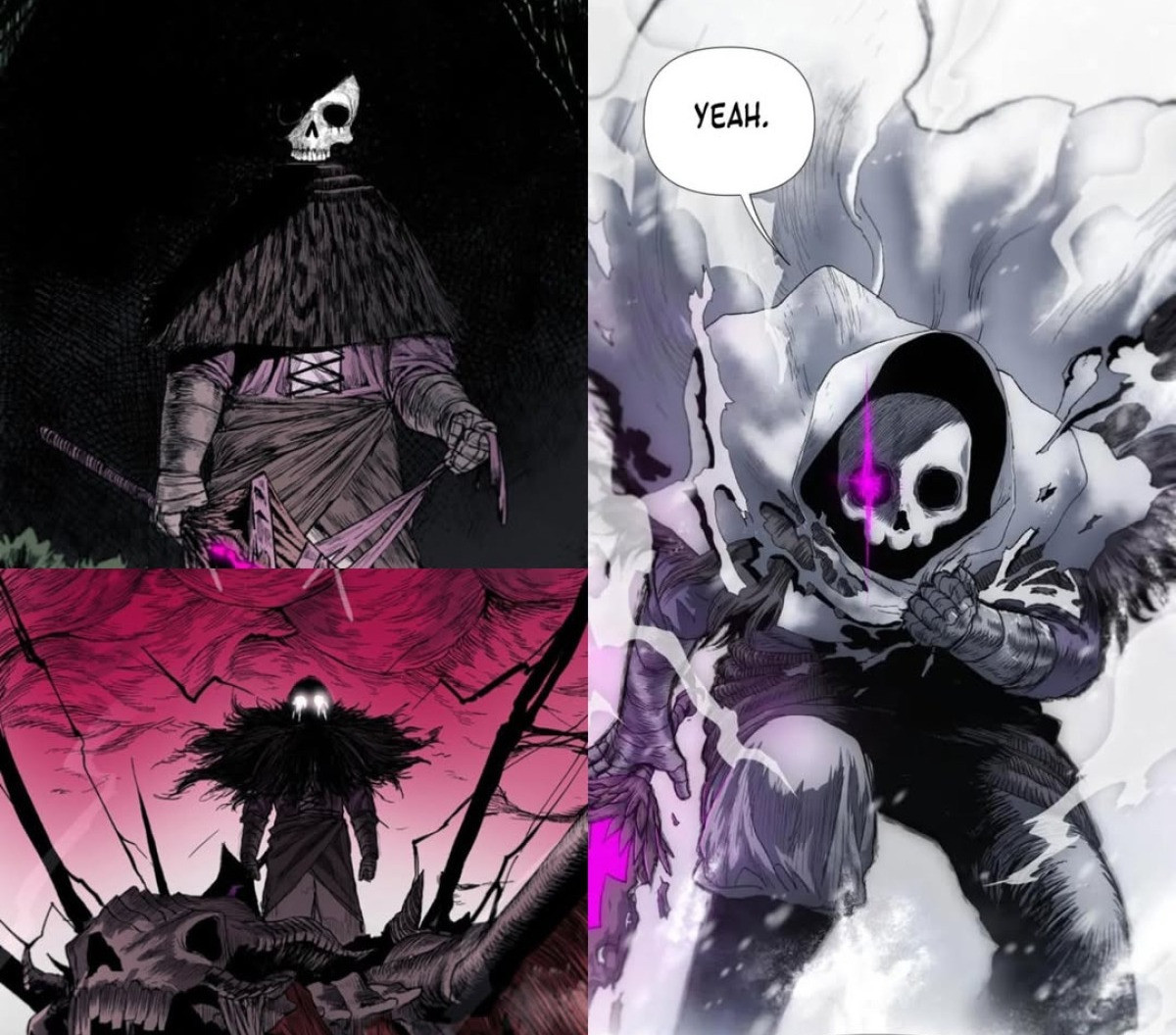
When a manhwa gets compared to Frieren: Beyond Journey's End but with a dark, bleak twist, expectations immediately rise. The Tale of the Skeleton Messenger, released on Webtoon in January 2026 by creators kain_y and SORAGAE, arrives with that exact premise and a tone that sets it apart from the increasingly crowded fantasy manhwa landscape. Most fantasy stories lean toward hopeful narratives where heroes overcome darkness through determination and friendship. Even dark fantasy typically offers glimmers of light and the possibility of triumph. The Tale of the Skeleton Messenger takes a different approach, embracing bleakness and melancholy in ways that feel refreshing rather than oppressive, thoughtful rather than nihilistic.
This is all cool but I tried Runway twice and gave up both times because the credit system is confusing and the UI feels designed for people who already know what they are doing. Barrier to entry for new users is real.
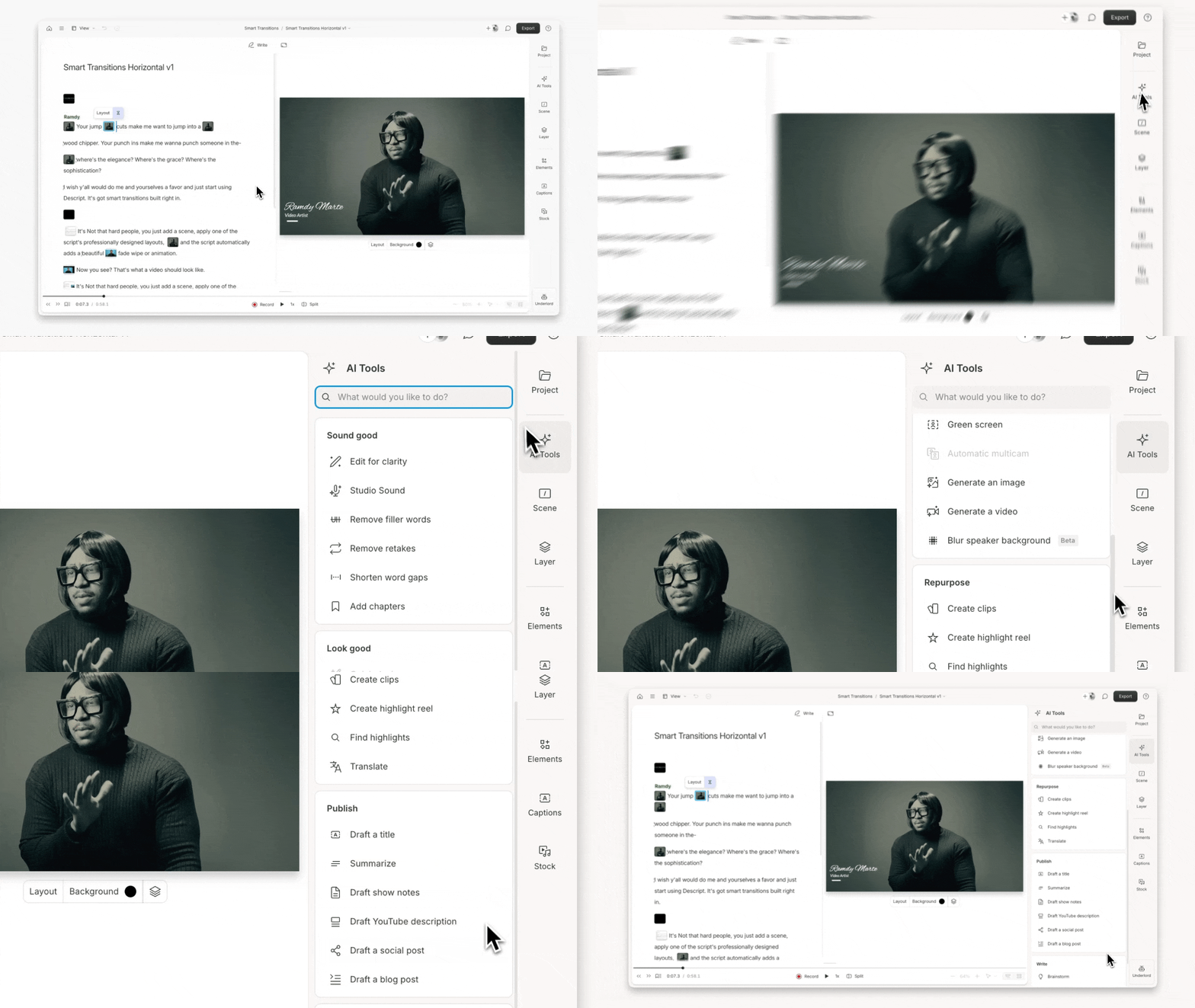
Most people can edit a Google Doc. Delete some words, rearrange sentences, fix typos, add paragraphs. It's intuitive and requires no special training. Now imagine editing video the same way. That's Descript's core innovation, and it transformed video editing from a specialized skill requiring expensive software into something anyone who can edit text can do effectively. Descript started as a transcription tool for podcasters. Record your podcast, upload it to Descript, and get an accurate transcript for show notes. But the founders realized something bigger. If you have a perfect transcript synchronized to audio, you can edit the audio by editing the text. Delete a word from the transcript and that word disappears from the audio. That insight became the foundation for a complete editing platform.
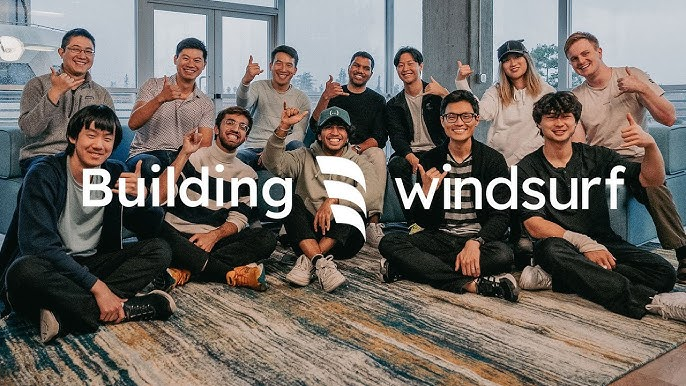
Developers have a new anxiety in 2026: token anxiety. You're in the middle of debugging a complex problem, the AI is helping you refactor three files simultaneously, and suddenly you wonder if this session is about to cost you $50. That mental tax slows you down and makes you second-guess using the tool you're paying for. Windsurf eliminated that anxiety with a simple decision: flat monthly pricing with no token limits. Fifteen dollars per month. Unlimited usage. No tracking credits or calculating costs per query. That pricing model sounds almost boring compared to the complex token systems other AI coding tools use, but boring is exactly what professional developers want when it comes to pricing. They want predictable costs and unlimited usage so they can focus on writing code instead of budgeting AI queries.
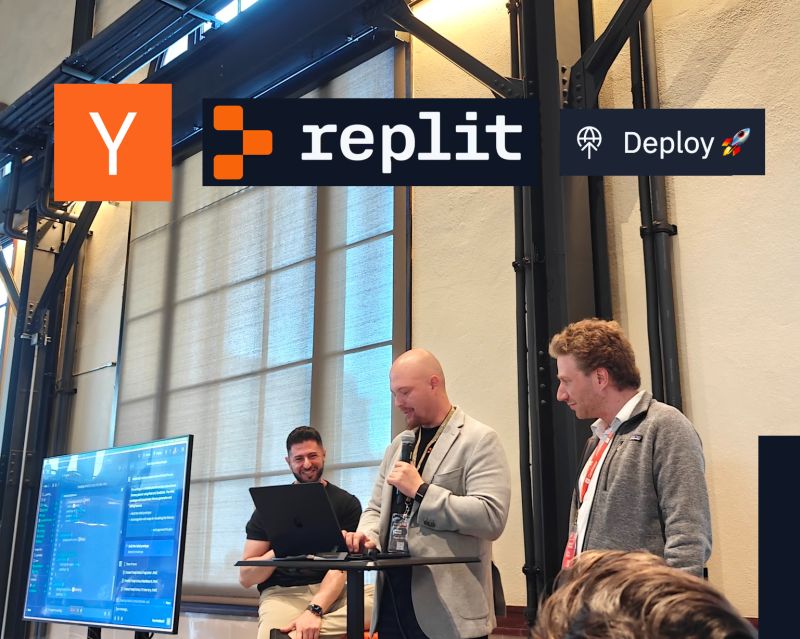
When a company's revenue jumps from $10 million to $100 million in nine months, you pay attention. When that growth comes from an AI agent that builds entire applications autonomously, you realize something fundamental just changed in software development. Replit Agent represents that change, and the numbers prove developers are ready for it. Replit started as a browser-based coding environment for education. Students could write Python or JavaScript without installing anything locally. Teachers loved it because setup time vanished. But the company saw something bigger. If you could run code in the browser, why not let AI write that code? That question led to Agent 3, an AI that doesn't just suggest code completions. It builds entire applications from scratch.
Meta has just had one of its most important AI moments yet and the early signals are hard to ignore. Following the launch of its newest AI model Muse Spark, the company’s standalone Meta AI app surged dramatically in popularity, hinting at a much larger shift that is beginning to take shape. The release is particularly significant because it marks the first major AI model rollout under Alexandr Wang, who joined Meta to reboot its AI strategy. This is not just another incremental update. It represents a more aggressive and focused push into the AI race. According to data from Appfigures, Meta AI jumped from number 57 to number 5 on the U.S. App Store within a day of the launch. That kind of movement rarely happens without a strong underlying pull from users. It signals not curiosity but intent.
ChatGPT still has 900 million weekly users. Meta getting excited about 46,000 daily downloads on iOS is like someone celebrating getting into the parking lot of a concert they are still not inside.
In a rare divergence from industry norms, TikTok has confirmed it will not adopt end-to-end encryption (E2EE) for direct messages, breaking with nearly every major social media platform and reigniting one of the tech industry's most contentious debates. The Chinese-owned video platform told the BBC exclusively that it believes the privacy technology championed by Meta, Apple, and others as essential for user protection actually makes users less safe by creating "dark spaces" where harmful content can flourish beyond the reach of safety teams and law enforcement. The decision puts TikTok in direct opposition to its competitors while potentially exposing the company to fresh criticism over data protection, particularly given ongoing concerns about its ties to Beijing.
I actually tried a similar style but with a white bag and black hardware. It gives a different but equally striking effect.
Actually bought this exact shirt and returned it because I was intimidated by styling it. Now I regret that decision
I love how the pink accessories tie everything together without being too matchy matchy. It's perfectly balanced