Fair point but mimicking is not the same as the real thing. A language model that generates empathetic responses is not actually processing relational nuance the way a skilled human does. The gap is real, even if it's shrinking.
24
Sign up to see more
SignupAlready a member?
LoginBy continuing, you agree to Sociomix's Terms of Service, Privacy Policy
Fair point but mimicking is not the same as the real thing. A language model that generates empathetic responses is not actually processing relational nuance the way a skilled human does. The gap is real, even if it's shrinking.
The film getting a projected $150 million worldwide opening weekend kind of proves the article's point that the audience for this is enormous regardless of what critics think. Fan enthusiasm for Michael Jackson does not expire.
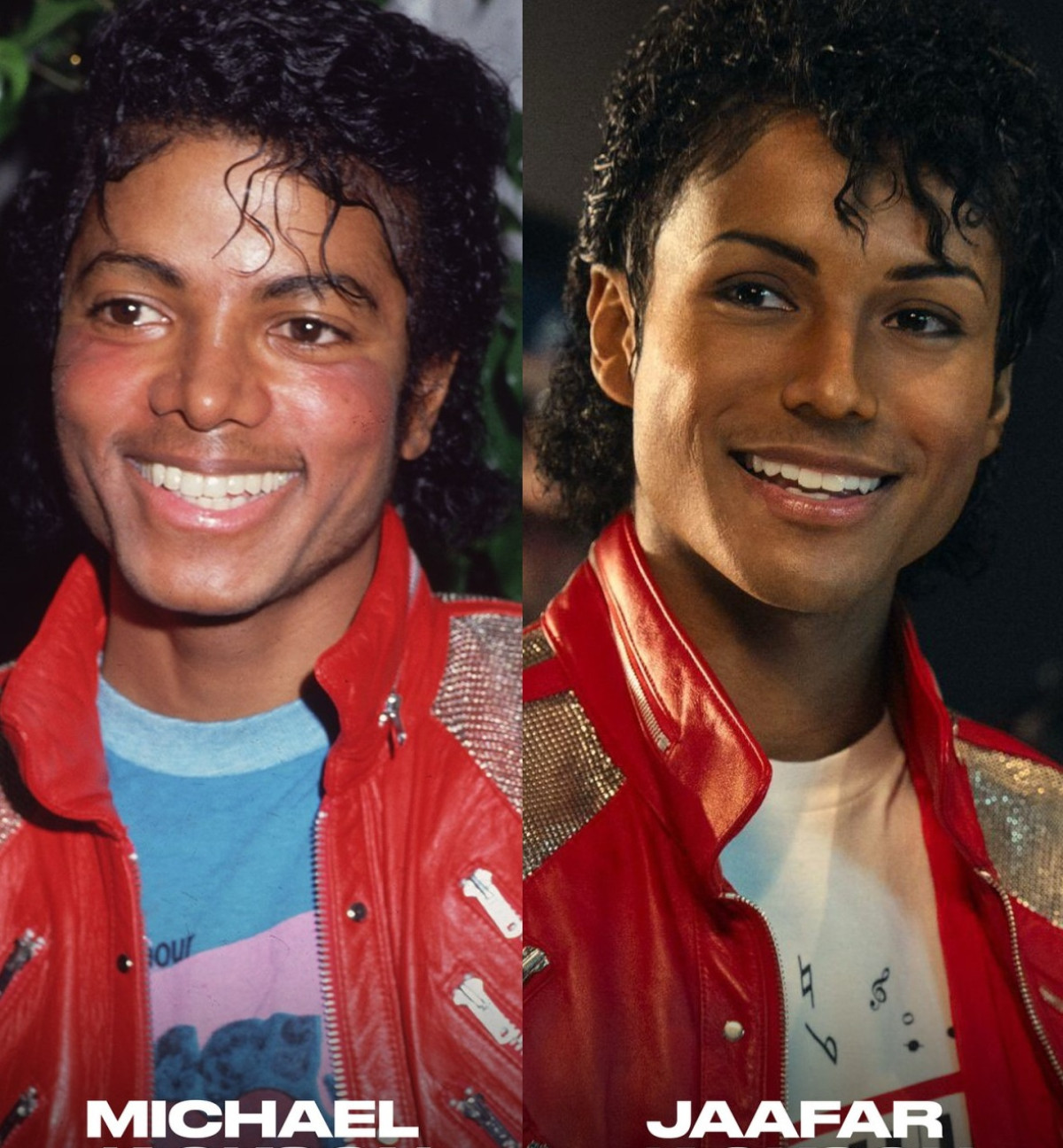
Jaafar Jackson plays Michael Jackson in the 2026 biopic Michael, and the story of how the 29-year-old newcomer landed the role is more interesting than the film itself. It started with a voice note. It involved a two-year global casting search with no formal auditions. It required Jaafar to keep the role secret from his own family for a full year. And it ended with his grandmother Katherine Jackson, the woman who knew Michael longest and loved him most, telling producers that her grandson didn't just resemble her son, he embodied him. After tracking every interview, behind-the-scenes video, and production report released since the film was announced, I can tell you that the choice of Jaafar was not nepotism, not a publicity play, and not the obvious pick everyone assumes it was. It was a hard-earned outcome of the most unusual casting process in recent biopic history, and here is how it actually happened.
Anyone else find it odd that the leaving Neverland documentary has apparently been pulled from streaming while this gets a 200 million dollar theatrical release? The two things feel connected in a way that deserves more discussion.
Is there a good place to start if someone wants to get into the source material before the anime? The manhwa on Webtoon or go straight for the physical novels from Ize Press?
As someone who has read a lot of psychological fiction across different mediums, the way this series handles trauma accumulation is unusually sophisticated. Most stories treat repeated trauma as something you just power through. This one treats it as something that reshapes you whether you want it to or not.
Hot take but the demon civilization worldbuilding is actually more interesting than Bigang himself right now.
The webtoon having a satisfying ending confirmed is a huge deal for anyone nervous about committing to a long series. Go in knowing it sticks the landing.
Someone explain to me how a manhwa with a premise that sounds like a comedy bit about dying for skills became one of the most moving things in the genre. The tonal whiplash from premise to execution is extraordinary.
The market is genuinely oversaturated right now. For every Second Coming of Gluttony there are fifteen series where the protagonist goes back in time and immediately becomes the strongest person alive with zero interesting obstacles.
The ufotable rumor has been floating around for a while but nothing official confirms it. Demon Slayer level visual quality applied to ORV action scenes though, just thinking about it.
The manhwa world exploded when Solo Leveling first introduced us to Sung Jinwoo's journey from the weakest hunter to humanity's strongest defender. Now, Solo Leveling Ragnarok brings a fresh perspective to this beloved universe, and fans everywhere are asking the same questions. Can the sequel live up to the original? Do you need to read Solo Leveling first? What makes this continuation worth your time? This guide covers everything you need to know about Solo Leveling Ragnarok, whether you're a longtime fan or someone curious about jumping into the series Solo Leveling Ragnarok is not a reboot or alternate timeline. This is a direct sequel that continues the story years after the original series concluded. The protagonist shifts from Sung Jinwoo to his son, Sung Suho, who must forge his own path in a world still recovering from the catastrophic events his father prevented.
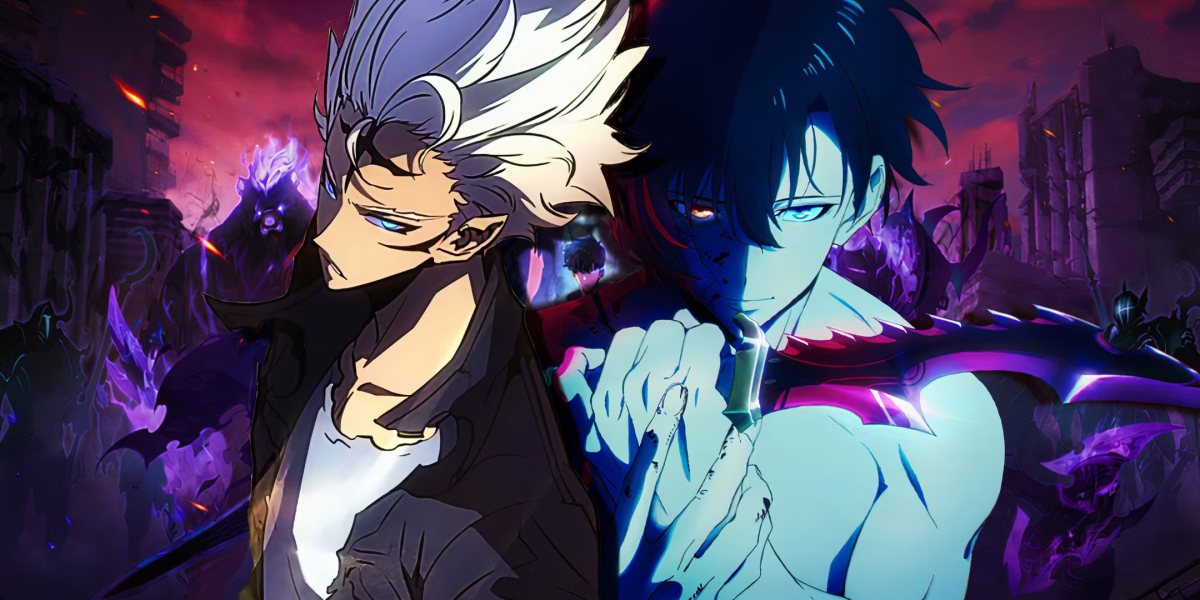
Thomas Andre having beef with Suho is genuinely one of the better recurring tension sources in the current arc. Old generation versus new generation framed as a competitive dungeon race is such a good setup.
Zero setup environments are going to create a generation of developers who are genuinely productive but have no mental model of what is happening underneath their code. I am not sure that is a catastrophe but it is definitely a different kind of developer than we have trained before.
The web novel being available on multiple platforms is smart distribution. People who get hooked on the anime have multiple legal ways to continue the story immediately. That matters for retention.
Hot take: this is not replacing your development team. It is replacing your intern. There is a significant difference.
What strikes me reading this is that the article describes temporal consistency and physical realism as breakthrough achievements. Two years ago those were the minimum requirements we expected from any professional video tool. The baseline has shifted that dramatically.
The designer-developer relationship has been tense for decades. Designers create pixel-perfect mockups in Figma. Developers translate them to code and somehow everything looks slightly wrong. Fonts don't match. Spacing is inconsistent. Buttons have different corner radiuses. Both sides get frustrated, blame each other, and the product suffers. V0 by Vercel is fixing this problem by generating production-quality React components that look exactly like the designs. The rebrand from v0.dev to v0.app in January 2026 signaled expanded ambitions beyond just UI component generation. Vercel positioned the tool for full-stack web development, though its core strength remains frontend excellence. That strategic clarity matters because trying to be everything often means excelling at nothing. V0 chose to dominate the handoff between design and code before expanding into other areas.
The WhatsApp comparison is interesting since WhatsApp also does not show version history on edited messages. It seems like Meta has a consistent internal policy across its apps to show the edited label but hide original content.
Anthropic's revenue running at $30 billion annualized and doubling their million-dollar enterprise customers in two months. They are not a scrappy safety-focused nonprofit anymore. That context matters for how we read their decisions.