
The decision to present the Pepsi burn as a triumph of willpower rather than the beginning of a serious addiction is exactly the kind of choice that makes this film feel like PR rather than art.
17
Sign up to see more
SignupAlready a member?
LoginBy continuing, you agree to Sociomix's Terms of Service, Privacy Policy

The decision to present the Pepsi burn as a triumph of willpower rather than the beginning of a serious addiction is exactly the kind of choice that makes this film feel like PR rather than art.
In a medium filled with talented artists producing stunning work, making a claim about any series having the "best" art feels bold. Yet Nano Machine consistently delivers combat sequences so fluid, detailed, and visually innovative that even readers who don't typically care about martial arts stories find themselves captivated by the sheer spectacle on display. The series combines traditional murim aesthetics with futuristic sci-fi elements, creating a unique visual identity that stands apart from typical cultivation manhwa. The nano machine implanted in protagonist Cheon Yeo-Woon's body doesn't just give him power. It becomes a storytelling device that allows the artist to visualize techniques, energy flows, and combat analysis in ways other series can't replicate.

Mild criticism, the pacing around chapters 15 through 25 in the manhwa is noticeably uneven. The story clearly knows where it's going but takes some awkward detours getting there.
When you think of murim manhwa, your mind probably conjures images of ancient martial arts sects, internal energy cultivation, and warriors battling with swords and bare fists in historical settings. Science fiction elements like outer space invasions, advanced technology, and apocalyptic scenarios belong to completely different stories. Return of the Demonic Instructor takes these seemingly incompatible genres and weaves them into something genuinely innovative. Released on Webtoon in January 2026, this series arrived at the perfect moment when readers were hungry for fresh takes on established formulas. The premise alone sounds wild. A murim world gets invaded by demons from outer space, forcing martial artists to adapt centuries-old techniques to fight extraterrestrial threats. Then throw in regression, magic systems, and apocalyptic survival elements for good measure.

Can someone explain whether the custom avatar you build from your own footage is actually secure? Like who owns that data and what stops HeyGen from using your likeness in other ways? Genuine question not trying to be paranoid.
Cautiously optimistic is where I land on the anime. The teaser looked promising but we have all been burned before by adaptations that look great in a 90 second clip and then disappoint over a full season.
The metered pricing creating unpredictable costs is the same complaint people had about cloud hosting in 2010. It did not stop AWS from dominating. Cost unpredictability is a growing pain, not a dealbreaker.
Casual reminder that the series has had multiple hiatuses already including one that lasted months between seasons one and two. Going in with patience management is genuinely useful advice.
The article says the AI builds real applications with proper databases and security. The word proper is doing a lot of work in that sentence. For an MVP, sure. For anything handling sensitive personal or financial data, you need much more scrutiny.
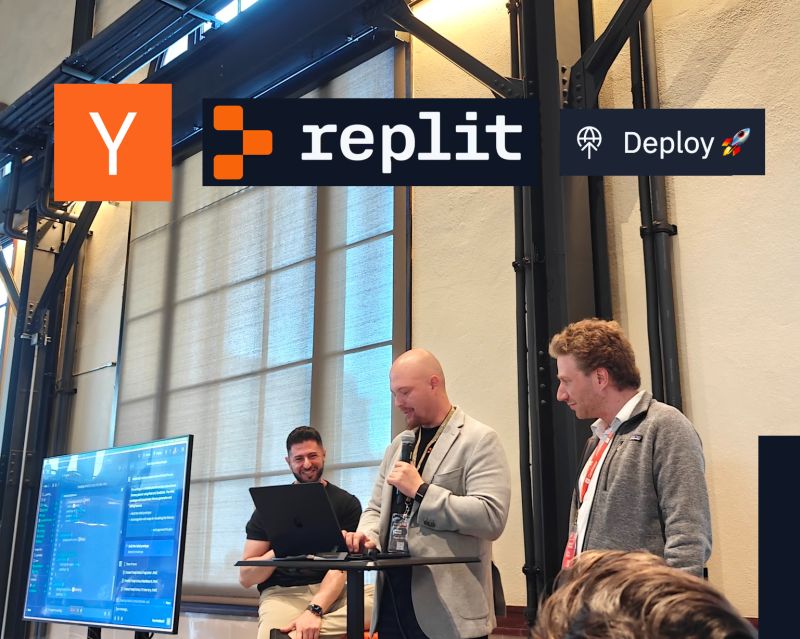
When a company's revenue jumps from $10 million to $100 million in nine months, you pay attention. When that growth comes from an AI agent that builds entire applications autonomously, you realize something fundamental just changed in software development. Replit Agent represents that change, and the numbers prove developers are ready for it. Replit started as a browser-based coding environment for education. Students could write Python or JavaScript without installing anything locally. Teachers loved it because setup time vanished. But the company saw something bigger. If you could run code in the browser, why not let AI write that code? That question led to Agent 3, an AI that doesn't just suggest code completions. It builds entire applications from scratch.
Codex's sandboxed parallel execution is a genuine architectural advantage for certain workflows. Stop treating this as a one-dimensional comparison where Claude wins everything.
Meta committed hundreds of billions to build AI computing infrastructure and their first deliverable is a model that is competitive but not dominant. I respect the honesty in admitting that publicly. Most companies would have just called it the best.
That shift toward capital intensity is a genuine concern for competition. The more AI depends on massive proprietary infrastructure, the harder it becomes for smaller players and startups to compete on anything like equal terms.
My favorite part is how the moon pendant draws attention to the collar detail. I'm always looking for ways to highlight interesting necklines
The mix of textures between the ruffled blouse, velvet shoes, and quilted bag is so well thought out!
The neutral palette makes it perfect for dying and rewearing after special events