Immediately thought the same thing. The premise almost reads like it was conceived with a potential adaptation in mind. Contained location, procedural structure, morally ambiguous lead. That is a very produceable story.
12
Sign up to see more
SignupAlready a member?
LoginBy continuing, you agree to Sociomix's Terms of Service, Privacy Policy

Immediately thought the same thing. The premise almost reads like it was conceived with a potential adaptation in mind. Contained location, procedural structure, morally ambiguous lead. That is a very produceable story.
Does Nia Long get much screen time as Katherine Jackson? She is such a strong performer and I would hate for her to be wasted in a nothing role.
The edge computing counter to that is real though. Micro facilities are popping up in smaller cities specifically because latency requirements mean you cannot centralize everything anymore. The jobs are spreading out.
The artist is Geuk-Jin Jeon, and yes, completely agree that they deserve significantly more recognition in discussions about top manhwa artists.
Used Descript for the first time last month after years of Final Cut Pro. I felt slightly guilty about how easy it was, like I was cheating somehow. That guilt lasted about five minutes.
The data governance question is the one I keep coming back to. Your meeting transcripts are now on a third-party server, subject to that company's data practices, potentially used to train their models, and potentially discoverable in any future litigation. That is a non-trivial thing you are signing up for.
The uncanny valley comment is fair but it is improving fast. Avatar IV is noticeably better than Avatar III on micro-expressions. The gap between AI video and human video is closing every few months, not every few years.
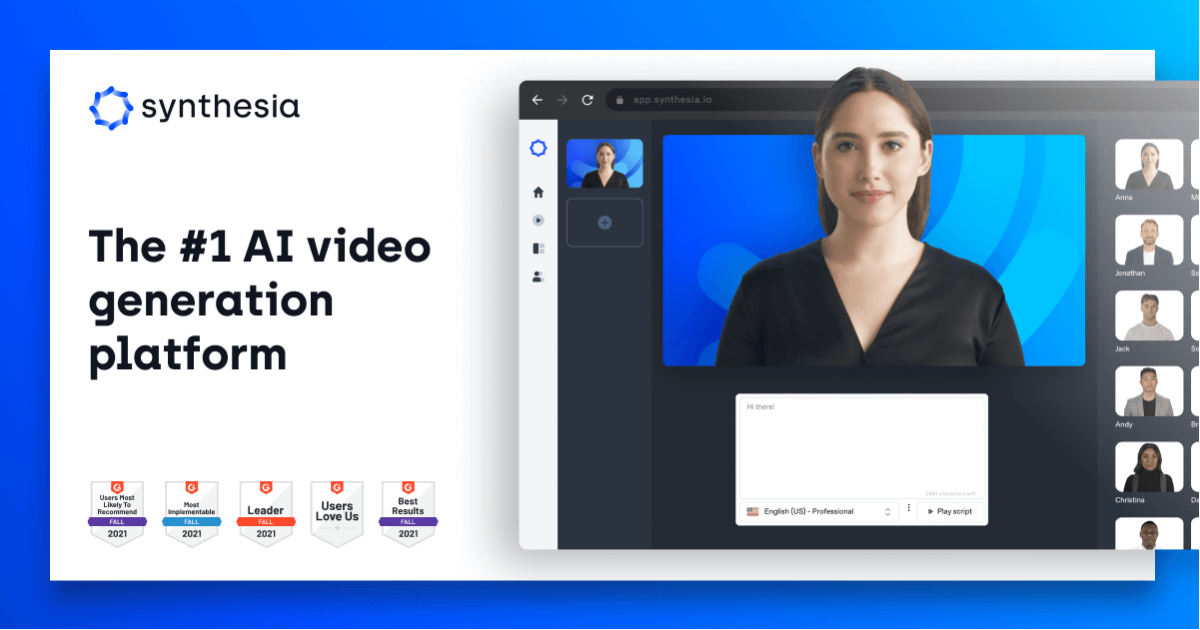
When a company raises $200 million in Series E funding during January 2026, investors are betting on more than potential. They're backing proven market demand and sustainable growth. Synthesia's funding round came alongside a 44% year-over-year increase in headcount to 706 employees, signaling aggressive expansion in a category the company essentially created: AI avatar-based video generation for enterprise training and communications. Corporate training videos have been expensive and slow to produce for decades. Recording a single 10-minute training module traditionally required booking a studio, hiring a presenter, scheduling a videographer, managing multiple takes, and editing everything together. If you needed to update information or translate content, you essentially started over. Synthesia eliminated this entire production workflow by replacing human presenters with AI avatars.
Honestly the thing that nobody talks about enough is how Sequoia is backing both OpenAI and Anthropic simultaneously. That breaks every traditional VC rule about funding direct competitors. They've clearly decided this market is big enough that picking sides is a mistake.
Hot take: the real problem was never tooling. It was that designers and developers had no shared language. v0 is basically a universal translator between those two worlds.
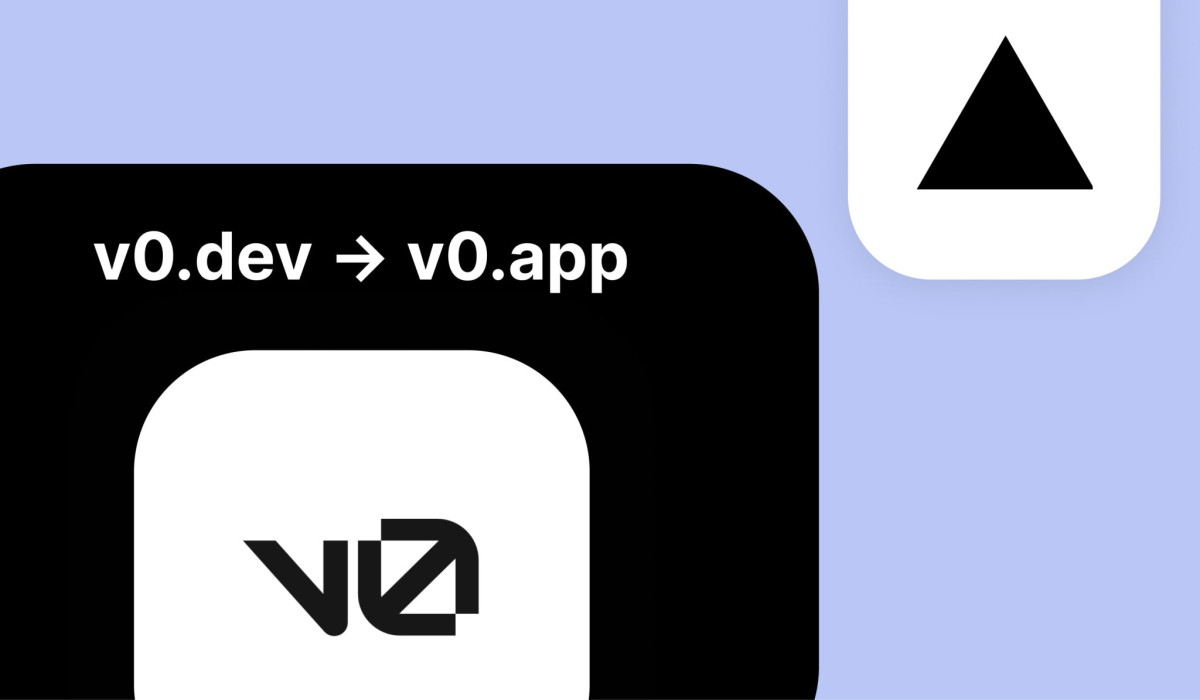
The designer-developer relationship has been tense for decades. Designers create pixel-perfect mockups in Figma. Developers translate them to code and somehow everything looks slightly wrong. Fonts don't match. Spacing is inconsistent. Buttons have different corner radiuses. Both sides get frustrated, blame each other, and the product suffers. V0 by Vercel is fixing this problem by generating production-quality React components that look exactly like the designs. The rebrand from v0.dev to v0.app in January 2026 signaled expanded ambitions beyond just UI component generation. Vercel positioned the tool for full-stack web development, though its core strength remains frontend excellence. That strategic clarity matters because trying to be everything often means excelling at nothing. V0 chose to dominate the handoff between design and code before expanding into other areas.
The compute gap argument in OpenAI's investor memo is actually quite interesting when you flip it. Anthropic achieving more revenue while spending 4x less on training isn't a weakness, it's a sign their architecture is more efficient. OpenAI spent more and got less. That's the story.
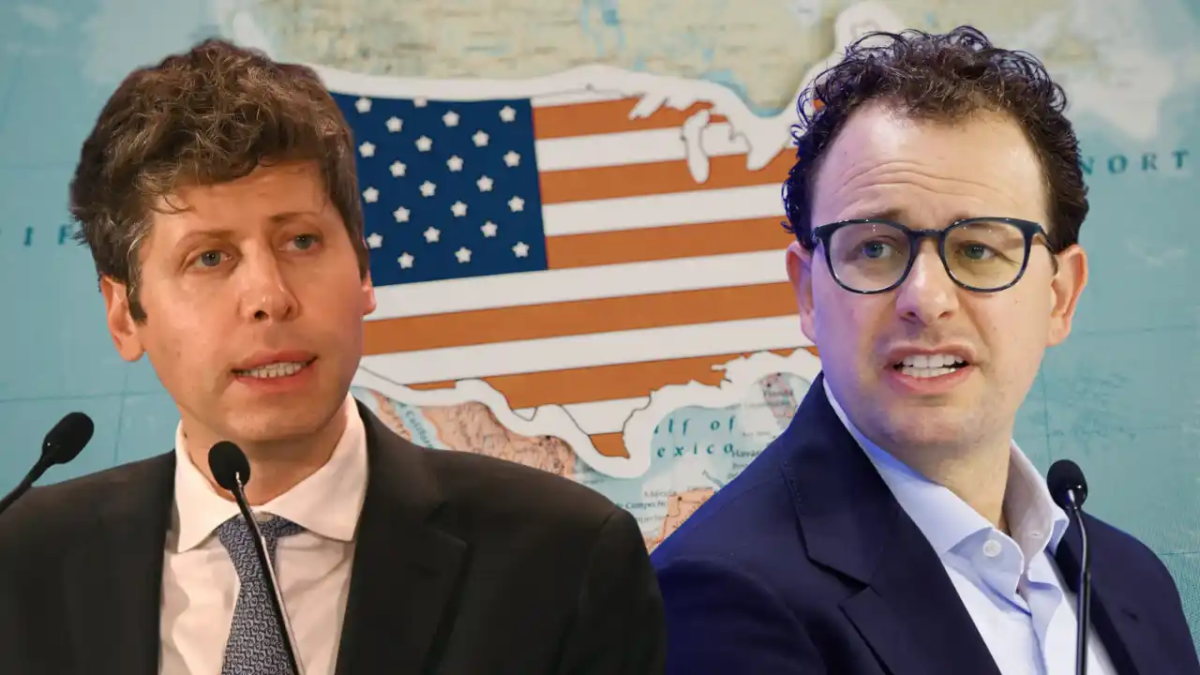
There's a photograph from February 2026 that pretty much sums up the state of AI right now. At the India AI Impact Summit in New Delhi, Indian Prime Minister Narendra Modi invited the world's tech leaders onstage for a group photo. Everyone held hands. Well, almost everyone. Sam Altman of OpenAI and Dario Amodei of Anthropic, standing right next to each other, refused to clasp hands and instead raised their fists separately. The internet, predictably, lost its mind. An awkward moment between OpenAI CEO Sam Altman and Anthropic CEO Dario Amodei at an AI Summit captured the increasingly icy relations between two rival tech leaders who started off as colleagues. That's not just petty drama. It's a window into what may be the most consequential corporate rivalry in the technology world right now, one that's playing out in boardrooms, courtrooms, Super Bowl ads, and billion-dollar compute deals all at once.
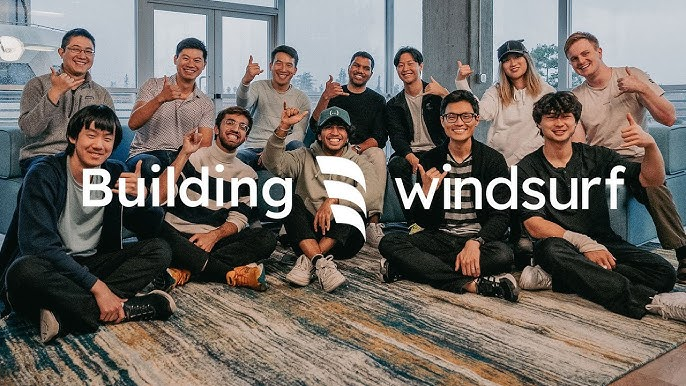
Developers have a new anxiety in 2026: token anxiety. You're in the middle of debugging a complex problem, the AI is helping you refactor three files simultaneously, and suddenly you wonder if this session is about to cost you $50. That mental tax slows you down and makes you second-guess using the tool you're paying for. Windsurf eliminated that anxiety with a simple decision: flat monthly pricing with no token limits. Fifteen dollars per month. Unlimited usage. No tracking credits or calculating costs per query. That pricing model sounds almost boring compared to the complex token systems other AI coding tools use, but boring is exactly what professional developers want when it comes to pricing. They want predictable costs and unlimited usage so they can focus on writing code instead of budgeting AI queries.
The AI video generation race just got a clear winner. Runway Gen-4.5 topped the Video Arena leaderboard with a 1,247 Elo score, surpassing both Google Veo 3 and OpenAI Sora 2. For those unfamiliar with Elo ratings, this is the same system used to rank chess players and competitive games. A higher score means more wins in head-to-head comparisons. When real users compare videos side by side without knowing which AI generated them, they consistently choose Runway's output. Runway didn't start as an enterprise video tool. It began as a playground for artists and filmmakers who wanted to experiment with AI-generated visuals. The early versions produced fascinating but inconsistent results. Sometimes you'd get stunning cinematic footage. Other times you'd get distorted motion and unrealistic physics. Gen-4.5 changed that equation by achieving breakthrough consistency in motion quality and physical accuracy.
For what it is worth, Signal and WhatsApp both scan metadata even when message content is encrypted. There is no such thing as a completely invisible communication on a connected platform. People treat E2EE as a total privacy guarantee when it is not.
Genuinely curious, does restricting Mythos to a vetted partner list actually hold up once competing models reach similar capability? Seems like a finite window of control at best.
This might be the most important strategic decision Anthropic makes in the next few years. Getting the timing and commitment level right matters enormously. Too early and you burn capital on a bet that does not pay off. Too late and you are permanently dependent on suppliers with different interests.
The proportions of the ruffles are so well balanced with the length of the romper. Sometimes ruffles can overwhelm but these are just right. Would you say the fabric is lightweight?