Does this approach have any specific guidance for people over 60? Circadian rhythms and sleep patterns change with age and I wonder if the same window timing applies.
19
Sign up to see more
SignupAlready a member?
LoginBy continuing, you agree to Sociomix's Terms of Service, Privacy Policy

Does this approach have any specific guidance for people over 60? Circadian rhythms and sleep patterns change with age and I wonder if the same window timing applies.
The creators behind some of Webtoon's most successful psychological thrillers have returned with a series that's already generating intense discussion across manhwa communities. For fans who've been following the horror and thriller genre on digital platforms, Carnby Kim and Youngchan Hwang need no introduction. Their latest collaboration tackles themes of artistic plagiarism, obsession, and murder in ways that feel disturbingly relevant to current conversations about creative theft and AI-generated content. This guide covers everything you need to know about Copycat, from its premise and release schedule to how it compares with their previous masterpieces like Sweet Home and Bastard.

Season 2 ended on such a strong note that going into the final season feels genuinely earned. This series has built toward something the whole time.
When Tomb Raider King first exploded onto the manhwa scene, it brought a fresh take on dungeon crawling stories by combining archaeological adventure with ruthless protagonist energy and a treasure-hunting premise that felt genuinely different from typical gate and dungeon narratives. The series built a dedicated fanbase through its satisfying blend of historical artifact powers, strategic relic acquisition, and a protagonist who wasn't afraid to be morally gray in pursuit of his goals. Now, with the anime adaptation confirmed for 2026 as one of the most anticipated manhwa-to-anime projects, Tomb Raider King is experiencing a resurgence. New readers are discovering the series while longtime fans eagerly await seeing Jooheon Suh's relic-hunting adventures brought to life with animation. The timing couldn't be better, as the series has built enough content to support a substantial adaptation while maintaining momentum in its ongoing storyline.

As a newer reader who started with the anime, this guide is exactly what I needed. Reading the original manhwa now before touching Ragnarok.
ORV anime being handled by Aniplex means the production quality ceiling is already set very high. Whether it actually reaches that ceiling is another question entirely but the potential is genuinely exciting.
Unpopular opinion but the Flame Emperor relationship is actually kind of overhyped within the fandom. The dynamic is well written but the article frames it as uniquely profound when similar rivals-to-partners arcs appear in plenty of other series.
Honestly the relic rank system could have been generic stat padding but the series uses it to set up underdog moments constantly. Lower ranked relic used cleverly beats higher ranked one used carelessly. That is good writing.
As someone who works in HR, the scenario where an employee records a performance improvement plan conversation using a personal AI tool without the manager knowing is genuinely something employment attorneys are flagging right now. Policies need to catch up.
Voice cloning consistency is the sleeper feature here. Personal brand recognition is built on voice as much as face, and being able to maintain that audio identity across hundreds of videos without recording each one is actually kind of profound.
The fact that the article casually mentions video extension up to 40 additional seconds like that is obvious should not be overlooked. Early AI video was 4 seconds of chaos. 40 seconds of coherent extension is a completely different product category.
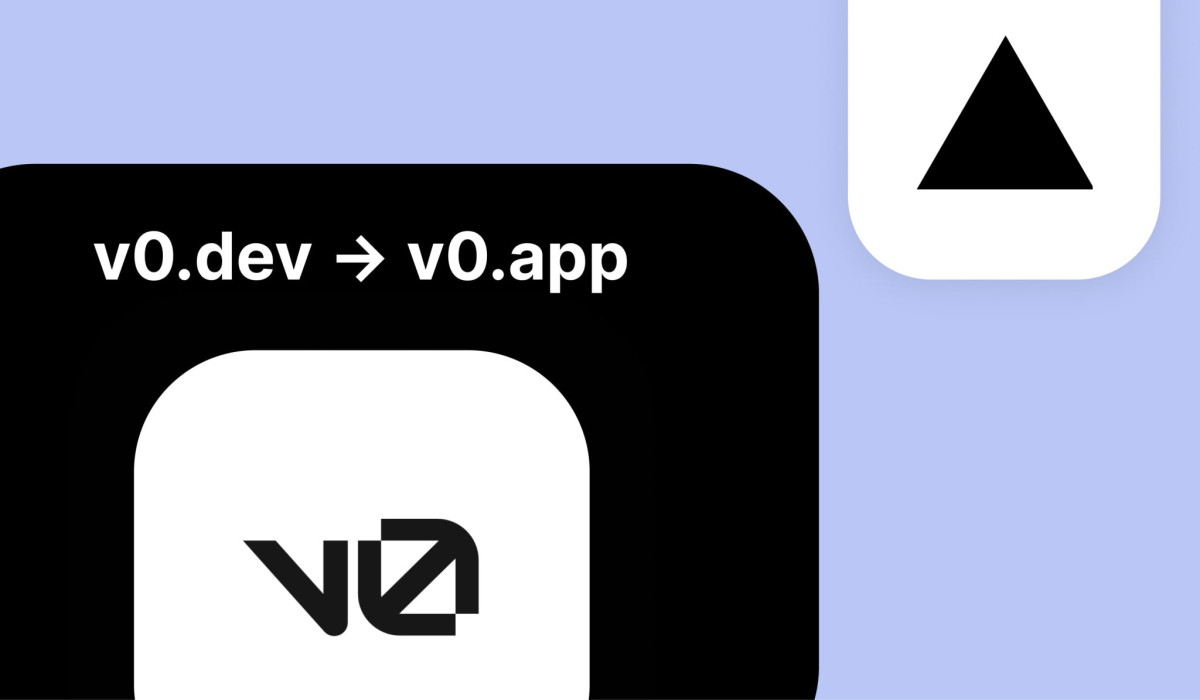
The designer-developer relationship has been tense for decades. Designers create pixel-perfect mockups in Figma. Developers translate them to code and somehow everything looks slightly wrong. Fonts don't match. Spacing is inconsistent. Buttons have different corner radiuses. Both sides get frustrated, blame each other, and the product suffers. V0 by Vercel is fixing this problem by generating production-quality React components that look exactly like the designs. The rebrand from v0.dev to v0.app in January 2026 signaled expanded ambitions beyond just UI component generation. Vercel positioned the tool for full-stack web development, though its core strength remains frontend excellence. That strategic clarity matters because trying to be everything often means excelling at nothing. V0 chose to dominate the handoff between design and code before expanding into other areas.
That is a fair concern, but the glass box transparency the article mentions at least gives you an escape hatch. You can read and modify the code. It is not a black box you are locked into.
Zero friction onboarding is genuinely undervalued in this industry. The number of good ideas that died because the person had one couldn't get past environment setup is not zero. It's enormous.
Wait, the article kind of glossed over something huge. Anthropic just locked in 3.5 gigawatts of Google TPU capacity through a deal with Broadcom. That is an enormous amount of compute. So why are they also talking about building their own chips at the same time? These two strategies feel contradictory.
The artificial intelligence industry is entering a new phase of competition, one that extends far beyond the development of advanced language models and neural networks. Companies are now engaged in an intense struggle to secure the computational infrastructure necessary to train and deploy their AI systems. In this context, Anthropic has reportedly begun exploring the possibility of designing and manufacturing its own specialized processors to power Claude, its flagship conversational AI platform, along with its broader suite of artificial intelligence technologies. This strategic consideration emerges at a critical moment in the global AI sector. The exponential growth in model complexity and capability has created unprecedented demand for high-performance computing resources. Sources familiar with the matter indicate that Anthropic is conducting feasibility studies to determine whether developing proprietary semiconductor technology could reduce its dependence on external hardware vendors while ensuring reliable access to the computing power required for its operations.
The global cryptocurrency market capitalization has climbed back above the $2.5 trillion threshold, fueled by a massive liquidation of short positions and renewed institutional interest. Geopolitical developments and shifting investor sentiment combined to create a powerful rally that caught bearish traders off guard, resulting in substantial losses for those betting against the market. According to data from CoinGecko, the total market capitalization of all cryptocurrencies combined increased 1.4% to reach $2.52 trillion on Friday, April 10. Bitcoin experienced a notable surge of over 3%, briefly touching the $73,000 mark before consolidating around $72,000 at the time of writing. Ethereum demonstrated equally impressive strength, pushing past the $2,200 level, while the majority of top 10 cryptocurrencies by market capitalization also posted significant gains.
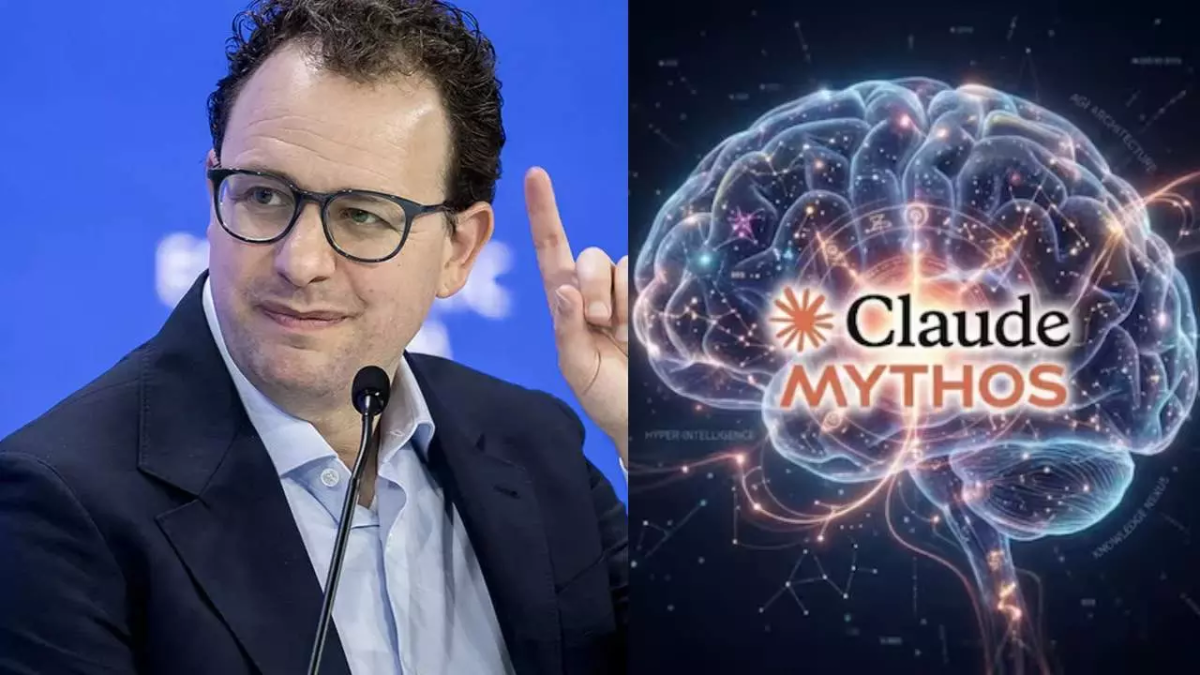
Anthropic on Tuesday unveiled an advanced artificial intelligence model designed specifically to identify software vulnerabilities, marking a significant development in the intersection of AI and cybersecurity. The model, named Claude Mythos Preview, will be available exclusively to a carefully selected group of companies as part of Project Glasswing, a new security initiative that aims to strengthen digital defenses while preventing malicious exploitation. The San Francisco based AI company has chosen to severely restrict access to Claude Mythos Preview due to its powerful capability to detect security weaknesses and software flaws. This decision reflects growing concerns about dual use AI technologies that could be weaponized by adversaries if they fell into the wrong hands.
As someone in the financial sector, the part about banks facing the risk of AI-powered attacks rendering existing defenses obsolete is not hypothetical. Several institutions are already quietly mid-rebuild on their security stacks.
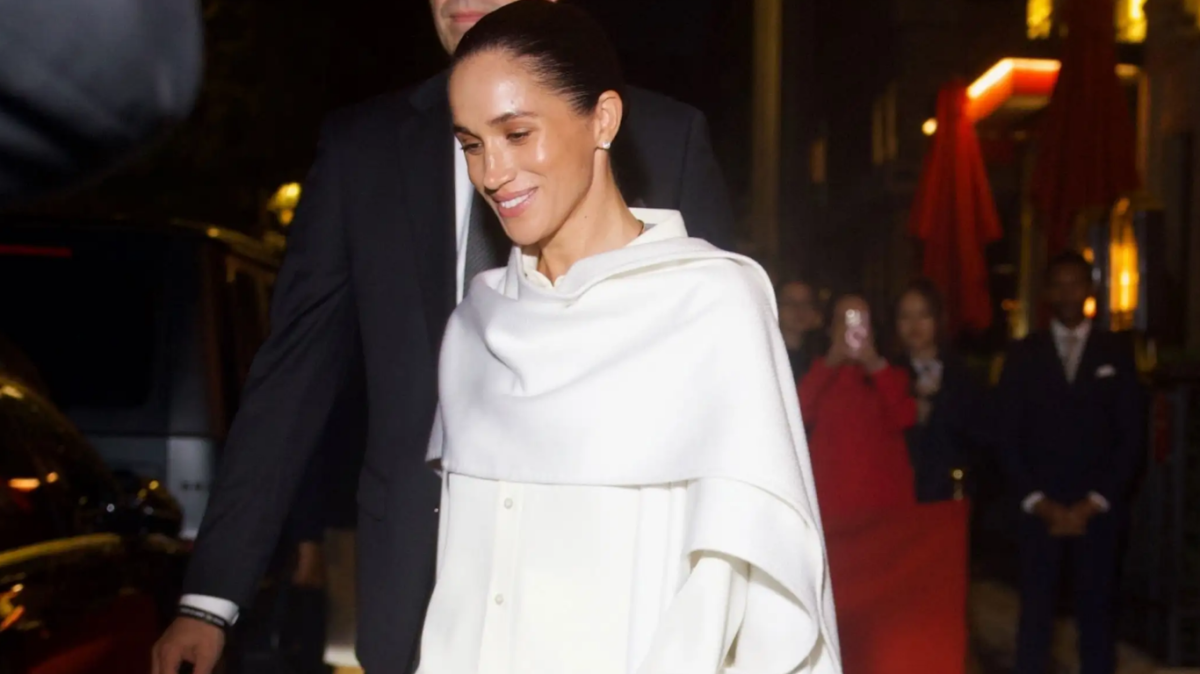
When you hear “Paris Fashion Week,” your mind races to haute couture, bold statements, and the world’s most glamorous attendees. But on October 4, 2025, the scene got a surprise guest—Meghan Markle, making what might be her most talked-about entrance yet. To call it a “debut” feels almost too neat, as if she’s stepping into a world she’s never touched. Yet, Meghan’s gradual evolution as a style influencer has been anything but accidental. Her Paris moment isn’t just celebrity spectacle; it’s a statement, a pivot, and a nuanced step into a new chapter. Here’s my take on why this matters.