Already dreading the eventual Copycat adaptation discourse because no director is going to capture what Hwang does with the vertical scroll format and the way silence is deployed between panels.
14
Sign up to see more
SignupAlready a member?
LoginBy continuing, you agree to Sociomix's Terms of Service, Privacy Policy

Already dreading the eventual Copycat adaptation discourse because no director is going to capture what Hwang does with the vertical scroll format and the way silence is deployed between panels.
Cautiously optimistic is where I land on the adaptation prospect. The potential is obvious but there have been too many cases of beloved webtoons getting mediocre treatments to get fully hyped yet.
Irene Holton being voiced by Saori Hayami means that character is going to get a whole new fanbase who discovers the series through the anime. That casting will do real promotional work.
The Cha Hae-in reveal in chapter 65 broke me. Been waiting since the start of Ragnarok for answers about where she went and the payoff was worth every single week of waiting.
Second Life Ranker got me through a really rough period last year. There is something about watching someone honor their brother's memory while systematically dismantling everyone who hurt him that hits incredibly deeply.
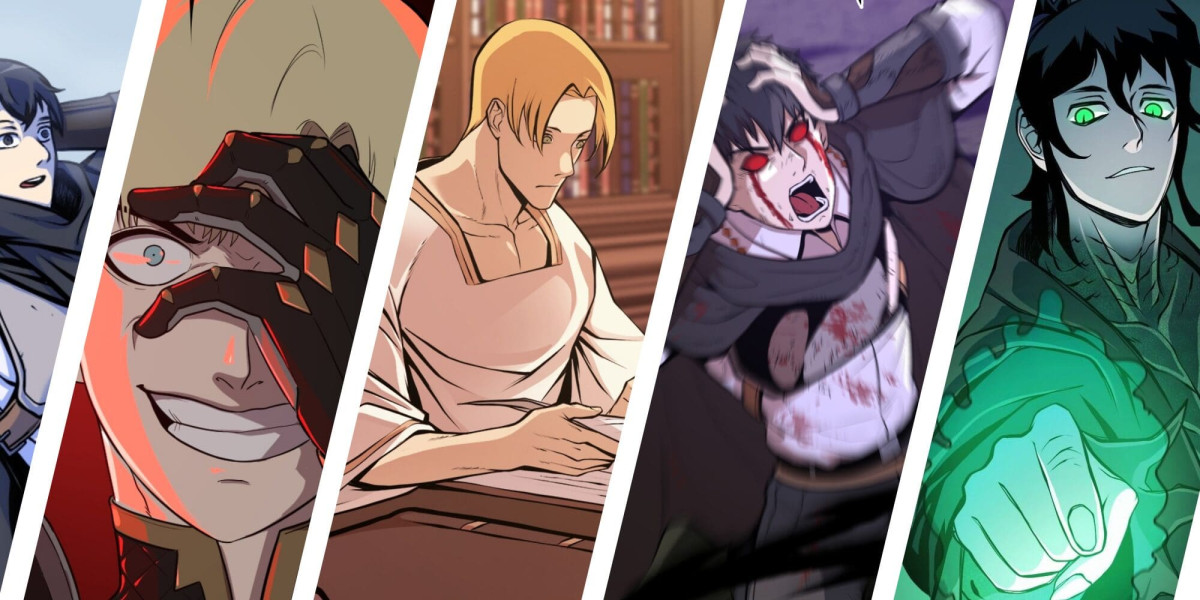
The year 2026 marks a pivotal moment in the evolution of manhwa as a medium. What started as a trickle of Korean comics receiving anime adaptations has become a flood, with at least fifteen confirmed projects bringing beloved manhwa to animated life. This explosive growth wasn't accidental but the inevitable result of Solo Leveling's massive success proving that manhwa adaptations can compete with traditional manga anime in quality, popularity, and profitability. Studios across Japan and Korea are investing heavily in manhwa properties, recognizing that Korean storytelling brings fresh perspectives, innovative premises, and built-in fanbases eager to see their favorite series animated. The diversity of genres receiving adaptations demonstrates that manhwa appeal extends far beyond action and fantasy into romance, psychological thriller, sports, and slice-of-life territories.
Been a professional developer for twelve years. Use Bolt weekly. These things are not in conflict.
Teams with consistent participants get better speaker attribution over time according to the article. That is genuinely useful for recurring standups where you want to track who said what across weeks.
The web novel being available on multiple platforms is smart distribution. People who get hooked on the anime have multiple legal ways to continue the story immediately. That matters for retention.
The Horizon by the same author deserves its own adaptation conversation. JH is creating a body of work that has no real equivalent in the medium right now.
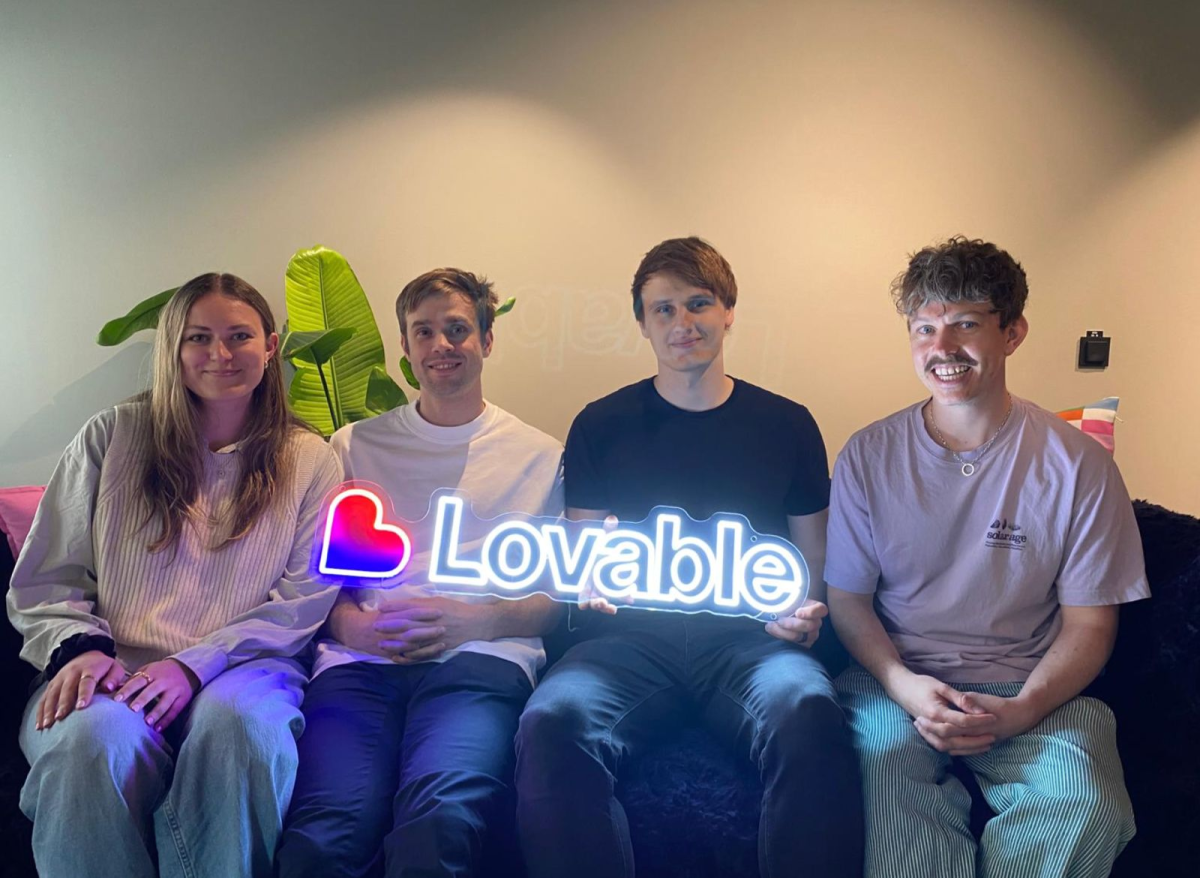
The software development world just witnessed something unprecedented. A European startup called Lovable reached $20 million in annual recurring revenue in just two months, making it potentially the fastest-growing startup in European history. But here's the twist that's making traditional software agencies nervous: they did it by giving non-technical founders the power to build full-stack applications without writing a single line of code. For years, the promise of no-code tools has been the same: anyone can build an app. But the reality has always been different. You'd create a beautiful frontend, get excited about your progress, and then hit the technical cliff. Suddenly you needed to configure databases, set up authentication, manage API keys, and deploy to servers. The "no-code" dream became a "hire-a-developer-anyway" nightmare.
My honest review after six months of daily use: transcription accuracy is excellent in quiet environments, mediocre in meetings with more than five people talking, and the summaries occasionally miss subtle but important context. Know the limits.
Still waiting for someone to run a rigorous study on completion rates and knowledge retention for AI avatar training versus traditional instructor led sessions. We keep adopting these tools on vibes and cost spreadsheets.
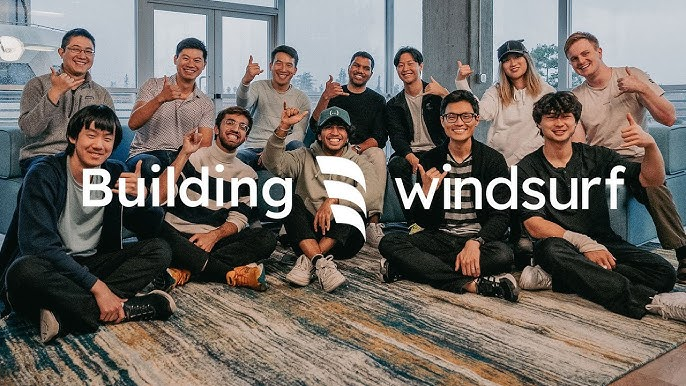
Developers have a new anxiety in 2026: token anxiety. You're in the middle of debugging a complex problem, the AI is helping you refactor three files simultaneously, and suddenly you wonder if this session is about to cost you $50. That mental tax slows you down and makes you second-guess using the tool you're paying for. Windsurf eliminated that anxiety with a simple decision: flat monthly pricing with no token limits. Fifteen dollars per month. Unlimited usage. No tracking credits or calculating costs per query. That pricing model sounds almost boring compared to the complex token systems other AI coding tools use, but boring is exactly what professional developers want when it comes to pricing. They want predictable costs and unlimited usage so they can focus on writing code instead of budgeting AI queries.
Hot take, TikTok is the most honest platform out there right now. At least they are telling you upfront that they can read your messages. Meta spent years pretending to care about E2EE and then quietly rolled it back this spring.
To be fair, Instagram did add editable DMs back in 2024 so this is at least consistent. They are slowly working through the backlog of features other apps had ages ago.
Honest question, why does the article not mention the social media controversy from earlier in the trip? A complete picture would include that.
This outfit is such a perfect blend of feminine and edgy! I really want to try styling my denim jacket with roses for spring