Every few weeks I go looking for any update on this anime and every time I find nothing. At this point a late 2027 premiere feels more realistic than anything in 2026.
18
Sign up to see more
SignupAlready a member?
LoginBy continuing, you agree to Sociomix's Terms of Service, Privacy Policy

Every few weeks I go looking for any update on this anime and every time I find nothing. At this point a late 2027 premiere feels more realistic than anything in 2026.
Aired on Fuji TV and Kansai TV in Japan means this is getting legitimate primetime treatment. That is not nothing.
As a counterpoint to all the hype, the series does lean heavily on Lloyd being the smartest person in every room. That can get a little exhausting over 180 plus chapters.
My issue with the post is it presents confirmed details confidently that are not actually confirmed. There is a difference between hype writing and accurate reporting and this leans hard into the former.
The regression subgenre has exploded in popularity over the past few years, becoming one of the most beloved narrative frameworks in Korean manhwa. The core premise is deceptively simple: a protagonist dies or fails catastrophically, then returns to an earlier point in time with their memories intact. Armed with future knowledge, they get a second chance to change their fate, save loved ones, gain power, or pursue revenge against those who wronged them. What makes regression stories so compelling is the combination of dramatic irony, strategic satisfaction, and emotional depth they provide. Readers know what the protagonist knows, creating tension when other characters make mistakes we can see coming. We feel smart alongside protagonists who use foreknowledge to outmaneuver enemies. And we experience the emotional weight of carrying memories of futures that haven't happened yet, of people who died who are currently alive, of betrayals that haven't occurred.

As someone who studies narrative structure, the decision to build up secondary protagonists only to have them fall before Yu is one of the most audacious structural choices in modern comics storytelling.
Revenue per employee of over two million dollars is genuinely absurd for a software company. The traditional playbook where you hire a large development team to match growth is completely broken as a model.
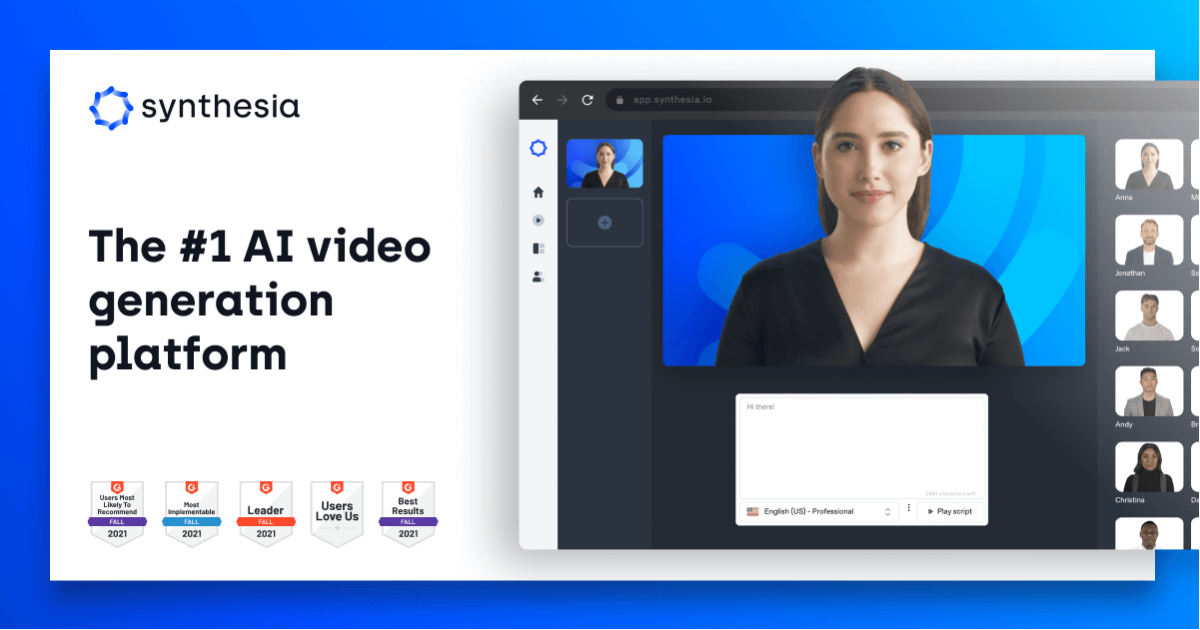
When a company raises $200 million in Series E funding during January 2026, investors are betting on more than potential. They're backing proven market demand and sustainable growth. Synthesia's funding round came alongside a 44% year-over-year increase in headcount to 706 employees, signaling aggressive expansion in a category the company essentially created: AI avatar-based video generation for enterprise training and communications. Corporate training videos have been expensive and slow to produce for decades. Recording a single 10-minute training module traditionally required booking a studio, hiring a presenter, scheduling a videographer, managing multiple takes, and editing everything together. If you needed to update information or translate content, you essentially started over. Synthesia eliminated this entire production workflow by replacing human presenters with AI avatars.
To everyone recommending Return of the Mount Hua Sect and wondering why it isn't on this list, it is technically a forward-time-travel scenario rather than a strict regression. Chung Myung wakes up a century later, not earlier. The distinction matters for purists.
While Synthesia leads in revenue, HeyGen leads in customer acquisition momentum with 152% year-over-year growth in mid-market adoption. That explosive growth rate allowed HeyGen to close much of the customer count gap by late 2025. The company is winning by making avatar video accessible to smaller teams and individual creators who cannot afford enterprise contracts but need professional video capabilities. HeyGen positioned itself for small and medium businesses, marketing teams, content creators, and solo entrepreneurs rather than enterprise learning and development departments. This market segment values affordability, ease of use, and creative flexibility over governance features and advanced integrations. Average contract values are roughly one-third of Synthesia's, reflecting this different customer profile.
Anthropic on Tuesday unveiled an advanced artificial intelligence model designed specifically to identify software vulnerabilities, marking a significant development in the intersection of AI and cybersecurity. The model, named Claude Mythos Preview, will be available exclusively to a carefully selected group of companies as part of Project Glasswing, a new security initiative that aims to strengthen digital defenses while preventing malicious exploitation. The San Francisco based AI company has chosen to severely restrict access to Claude Mythos Preview due to its powerful capability to detect security weaknesses and software flaws. This decision reflects growing concerns about dual use AI technologies that could be weaponized by adversaries if they fell into the wrong hands.
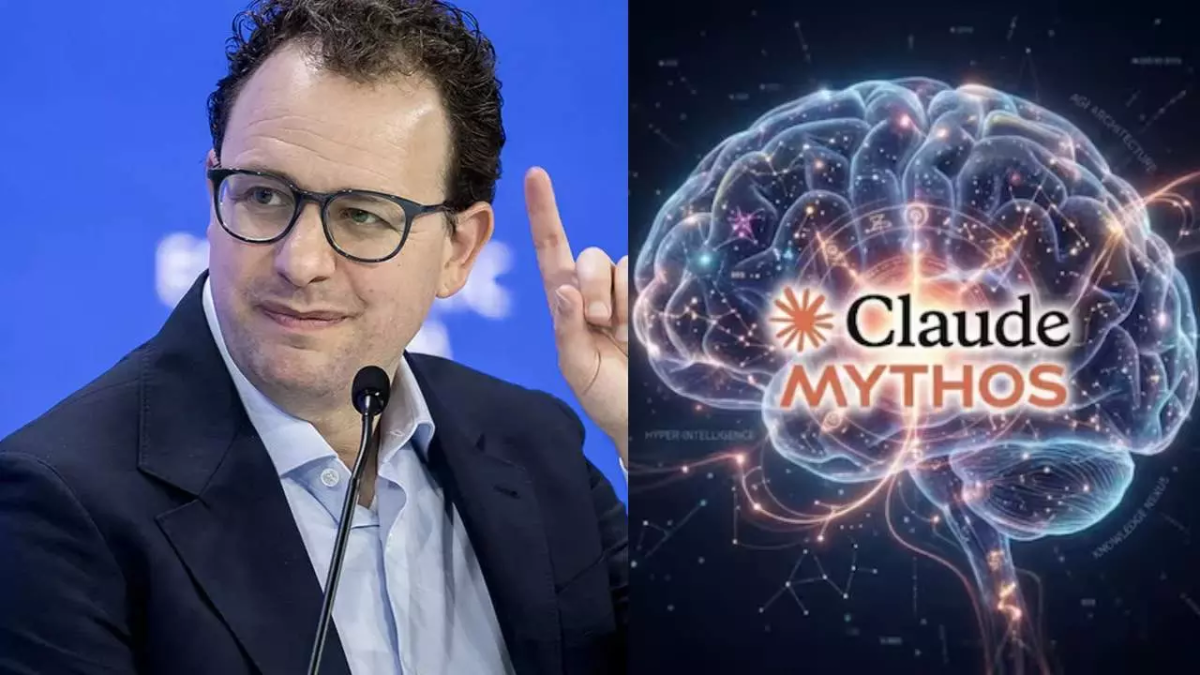
The fact that Mythos saturated their existing cybersecurity benchmarks and they had to pivot to real-world zero-day discovery as a measure of capability should terrify everyone. The benchmarks broke before the model did.
Interesting that the article did not mention Anthropic's competing moves this same week. The frontier is not pausing while Meta celebrates a ranking spike. The competitive pressure is relentless.
As someone in product management, the real tell will be the week two and week four retention numbers. App Store climbs driven by launch hype are common. Sustained daily active usage driven by genuine utility is rare. Meta needs the second thing, not the first.
Meta has just had one of its most important AI moments yet and the early signals are hard to ignore. Following the launch of its newest AI model Muse Spark, the company’s standalone Meta AI app surged dramatically in popularity, hinting at a much larger shift that is beginning to take shape. The release is particularly significant because it marks the first major AI model rollout under Alexandr Wang, who joined Meta to reboot its AI strategy. This is not just another incremental update. It represents a more aggressive and focused push into the AI race. According to data from Appfigures, Meta AI jumped from number 57 to number 5 on the U.S. App Store within a day of the launch. That kind of movement rarely happens without a strong underlying pull from users. It signals not curiosity but intent.
In a rare divergence from industry norms, TikTok has confirmed it will not adopt end-to-end encryption (E2EE) for direct messages, breaking with nearly every major social media platform and reigniting one of the tech industry's most contentious debates. The Chinese-owned video platform told the BBC exclusively that it believes the privacy technology championed by Meta, Apple, and others as essential for user protection actually makes users less safe by creating "dark spaces" where harmful content can flourish beyond the reach of safety teams and law enforcement. The decision puts TikTok in direct opposition to its competitors while potentially exposing the company to fresh criticism over data protection, particularly given ongoing concerns about its ties to Beijing.
Piccioli won designer of the year twice at the Fashion Awards while at Valentino. His move to Balenciaga was always going to be the most watched transition in fashion this year. Meghan being there for the debut is a real vote of confidence.
She and Anne Hathaway in the front row together is honestly a fun image. Two people who understand the power of a considered outfit.