
The scene I keep seeing clips of where Jaafar teaches the gang members the Beat It choreography looks genuinely electric. That specific moment is apparently one of the most praised sequences in the whole film.
18
Sign up to see more
SignupAlready a member?
LoginBy continuing, you agree to Sociomix's Terms of Service, Privacy Policy

The scene I keep seeing clips of where Jaafar teaches the gang members the Beat It choreography looks genuinely electric. That specific moment is apparently one of the most praised sequences in the whole film.
The point about AI cost being higher than human cost for moderate scale operations is the most interesting and underappreciated argument in this whole article. The economics of AI replacement are way messier than the headlines suggest.
If Aniplex really delivers on this the way they delivered on Solo Leveling, the conversation about Korean webtoons in animation is going to shift permanently. This is that important a title.
As someone who reads a lot of murim manhwa, the challenge facing Gosu is real. The cultural context around sect hierarchies and cultivation systems is something anime-only viewers are going to need help with.
The genre-hopping can be jarring though. There are arcs that tonally feel like a completely different series and not everyone finds that productive. Legitimate criticism even if the overall product is strong.
The designer-developer relationship has been tense for decades. Designers create pixel-perfect mockups in Figma. Developers translate them to code and somehow everything looks slightly wrong. Fonts don't match. Spacing is inconsistent. Buttons have different corner radiuses. Both sides get frustrated, blame each other, and the product suffers. V0 by Vercel is fixing this problem by generating production-quality React components that look exactly like the designs. The rebrand from v0.dev to v0.app in January 2026 signaled expanded ambitions beyond just UI component generation. Vercel positioned the tool for full-stack web development, though its core strength remains frontend excellence. That strategic clarity matters because trying to be everything often means excelling at nothing. V0 chose to dominate the handoff between design and code before expanding into other areas.
The keyframing for camera movement is the feature that converted me. I can specify a slow crane up followed by a lateral push without getting whatever random movement the model decides to generate. That is actual cinematographic control.
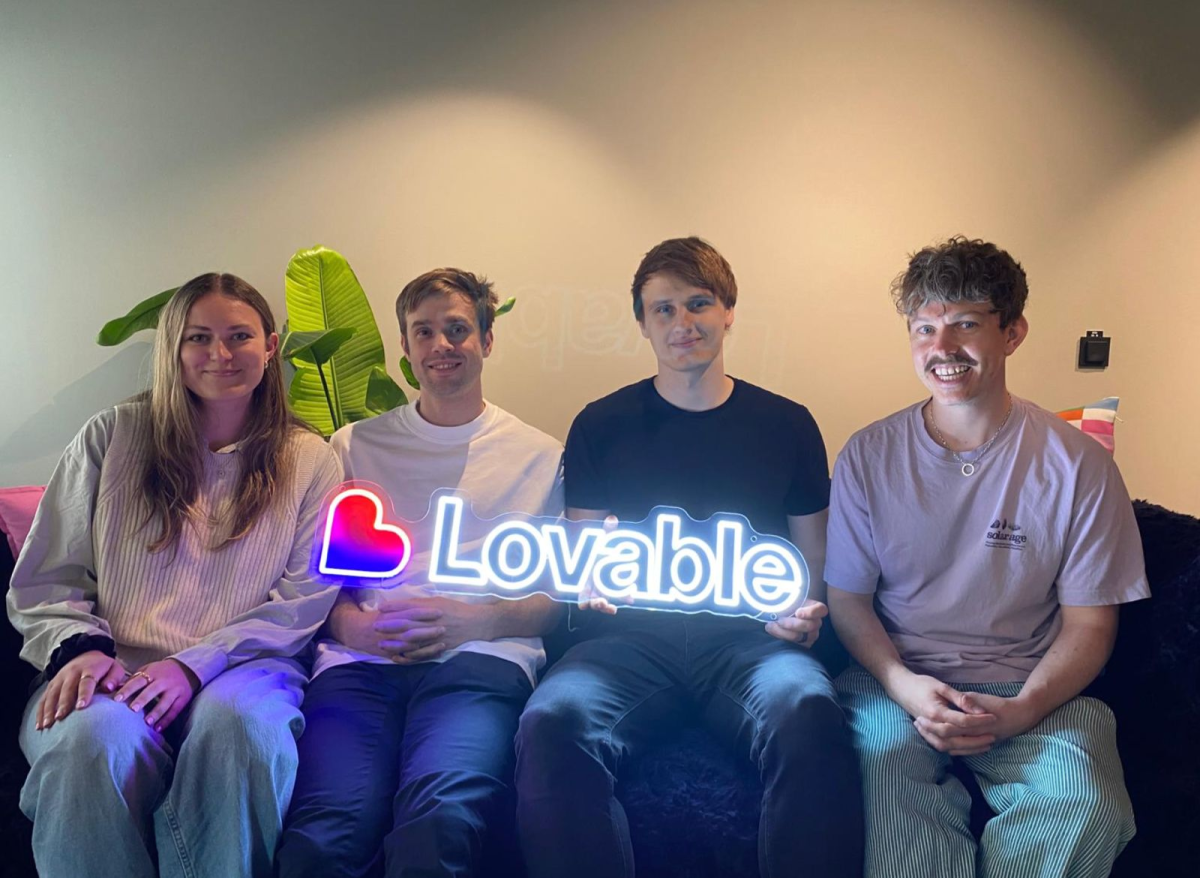
The software development world just witnessed something unprecedented. A European startup called Lovable reached $20 million in annual recurring revenue in just two months, making it potentially the fastest-growing startup in European history. But here's the twist that's making traditional software agencies nervous: they did it by giving non-technical founders the power to build full-stack applications without writing a single line of code. For years, the promise of no-code tools has been the same: anyone can build an app. But the reality has always been different. You'd create a beautiful frontend, get excited about your progress, and then hit the technical cliff. Suddenly you needed to configure databases, set up authentication, manage API keys, and deploy to servers. The "no-code" dream became a "hire-a-developer-anyway" nightmare.
As someone in product management, the real tell will be the week two and week four retention numbers. App Store climbs driven by launch hype are common. Sustained daily active usage driven by genuine utility is rare. Meta needs the second thing, not the first.
The thing that strikes me is that Anthropic disclosed all of this voluntarily. They did not have to publish the red team results or explain the capabilities. That transparency is either genuinely admirable or strategically timed. Probably both.
I will believe Meta cares about teen safety when I see meaningful age verification that actually works, not when I see them tweaking content rating categories in response to a jury verdict.
The artificial intelligence industry is entering a new phase of competition, one that extends far beyond the development of advanced language models and neural networks. Companies are now engaged in an intense struggle to secure the computational infrastructure necessary to train and deploy their AI systems. In this context, Anthropic has reportedly begun exploring the possibility of designing and manufacturing its own specialized processors to power Claude, its flagship conversational AI platform, along with its broader suite of artificial intelligence technologies. This strategic consideration emerges at a critical moment in the global AI sector. The exponential growth in model complexity and capability has created unprecedented demand for high-performance computing resources. Sources familiar with the matter indicate that Anthropic is conducting feasibility studies to determine whether developing proprietary semiconductor technology could reduce its dependence on external hardware vendors while ensuring reliable access to the computing power required for its operations.

the Pragmatic Engineer survey of 15,000 developers saying Claude Code is the most-used AI coding tool is a more meaningful data point than Sam Altman posting about 3 million weekly Codex users. Frequency of use versus actual preference are different things.
Yes! The Meta reversal on Instagram encryption happened around the same time and barely made headlines compared to TikTok. The double standard in coverage is genuinely strange.
Try the Spanx seamless collection. It works wonders under flowy dresses like this without creating any lines
Anyone else thinking this would look amazing with a leather jacket for fall? I'm already planning my autumn wardrobe!