
The observation that nobody markets sleep aggressively because it costs nothing is one of the more quietly devastating critiques of the wellness industry you'll find in an article like this.
4
Sign up to see more
SignupAlready a member?
LoginBy continuing, you agree to Sociomix's Terms of Service, Privacy Policy

The observation that nobody markets sleep aggressively because it costs nothing is one of the more quietly devastating critiques of the wellness industry you'll find in an article like this.
Carnby Kim writing a thriller where the central wound is a stolen artistic concept, right as AI image generators are actively cannibalizing artists' work, is either incredible timing or incredibly deliberate planning. Probably both.
The Michael movie review verdict is in, and it is more complicated than the 26% Rotten Tomatoes score suggests. Antoine Fuqua's long-delayed Michael Jackson biopic, simply titled Michael, hit theaters this weekend with Jaafar Jackson playing his late uncle, and the critical response has been brutal. The BBC gave it one star. Roger Ebert's site called it a filmed playlist in search of a story. Yet early audience reactions on social media have been warmer, ticket pre-sales suggest an $80 million opening, and Variety thought it worked as an engrossing middle-of-the-road biopic. After tracking coverage across more than a dozen outlets over the past 48 hours, I think the honest answer to "should you watch this?" depends almost entirely on what you want from a music biopic, and this guide breaks down exactly what the film delivers, what it skips, and who will actually enjoy sitting through its two-hour-and-nine-minute runtime.

The myth that you need to be a gamer to enjoy system manhwa is genuinely holding new readers back. The article is doing good work pushing back on that assumption.
The regression subgenre has exploded in popularity over the past few years, becoming one of the most beloved narrative frameworks in Korean manhwa. The core premise is deceptively simple: a protagonist dies or fails catastrophically, then returns to an earlier point in time with their memories intact. Armed with future knowledge, they get a second chance to change their fate, save loved ones, gain power, or pursue revenge against those who wronged them. What makes regression stories so compelling is the combination of dramatic irony, strategic satisfaction, and emotional depth they provide. Readers know what the protagonist knows, creating tension when other characters make mistakes we can see coming. We feel smart alongside protagonists who use foreknowledge to outmaneuver enemies. And we experience the emotional weight of carrying memories of futures that haven't happened yet, of people who died who are currently alive, of betrayals that haven't occurred.

As someone who got into manhwa specifically because of Solo Leveling's anime, this list is both exciting and overwhelming. Where do you even start when fifteen series are launching in one year.
The psychological scars from brainwashing angle needs more pages dedicated to it. The article touches on it, the manhwa touches on it, but it deserves much deeper exploration as the series continues.
The whole concept of copying skills by dying would be a punchline in a lesser series. The fact that this manages to turn that premise into something genuinely devastating is a writing achievement worth acknowledging.
As a former studio video producer who retrained into L&D, watching this play out has been surreal. The workflow I spent years mastering is now software. The scripting and instructional design skills I always treated as secondary turned out to be the durable ones.
As someone who reviewed vendor options for an L&D tech stack refresh last year, the SOC 2 Type II compliance is not optional for enterprise procurement. A lot of competing tools in this space cannot clear that bar. That alone narrows the field significantly.
Architecture use case works reasonably well for concept visualization and client presentations but is still not accurate enough for actual design decision-making. Great for communicating spatial ideas early in the process though.
Switched to Windsurf six months ago and the productivity difference is noticeable. Not earth-shattering, but noticeable. Refactoring across multiple files without worrying about the meter running is genuinely freeing.
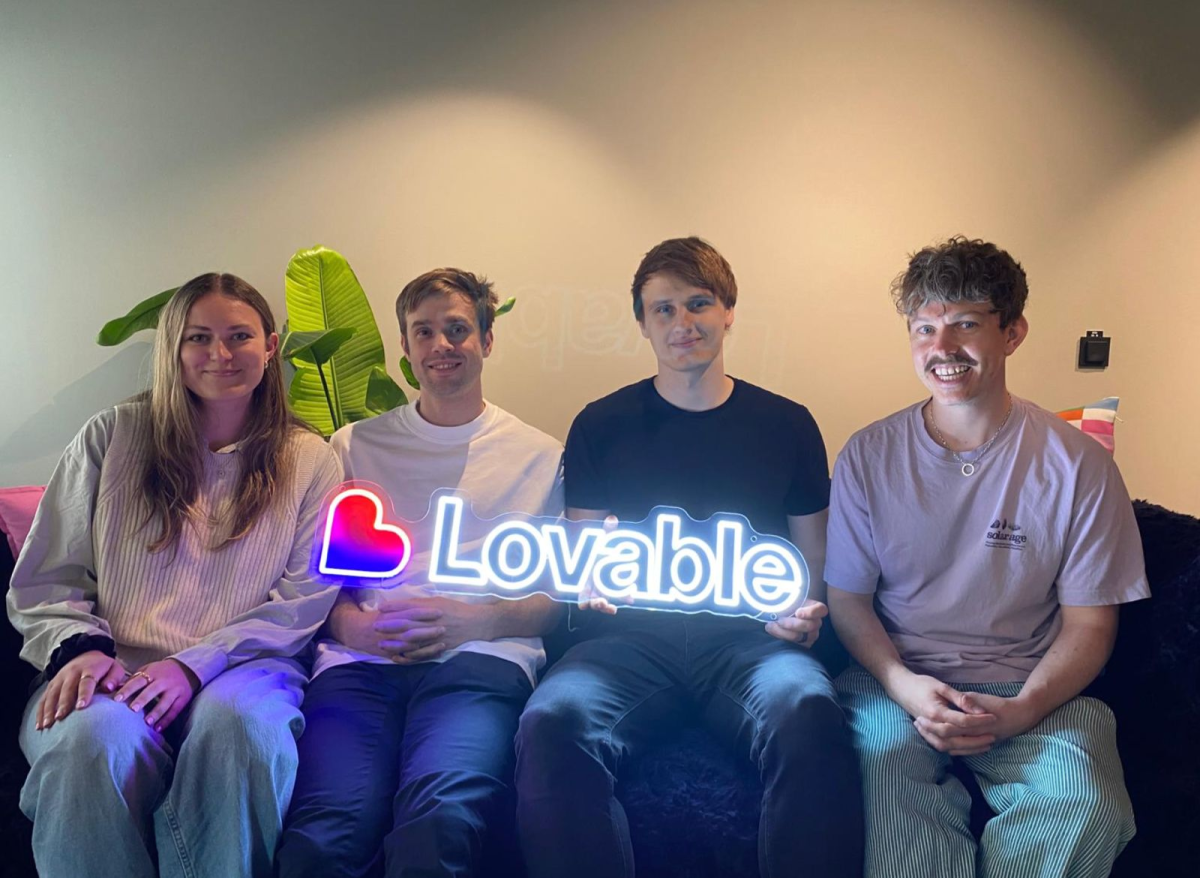
The software development world just witnessed something unprecedented. A European startup called Lovable reached $20 million in annual recurring revenue in just two months, making it potentially the fastest-growing startup in European history. But here's the twist that's making traditional software agencies nervous: they did it by giving non-technical founders the power to build full-stack applications without writing a single line of code. For years, the promise of no-code tools has been the same: anyone can build an app. But the reality has always been different. You'd create a beautiful frontend, get excited about your progress, and then hit the technical cliff. Suddenly you needed to configure databases, set up authentication, manage API keys, and deploy to servers. The "no-code" dream became a "hire-a-developer-anyway" nightmare.
The Mythos name is such a choice. Very much not a subtle signal about what they think they've built.
The fist thing at the India summit is going to live rent free in my head forever. Two grown men running trillion dollar companies and they couldn't just hold hands for one photo.
Every AI company is claiming their model reasons deeply and handles complex domains. The part that will actually differentiate Meta is whether the experience inside WhatsApp and Instagram becomes noticeably smarter in the next sixty days. That is the real test.
Been saying for months that Ethereum's ETF flows were the underpriced story of the year. $85 million in a single day is the market starting to pay attention.
Anthropic on Tuesday unveiled an advanced artificial intelligence model designed specifically to identify software vulnerabilities, marking a significant development in the intersection of AI and cybersecurity. The model, named Claude Mythos Preview, will be available exclusively to a carefully selected group of companies as part of Project Glasswing, a new security initiative that aims to strengthen digital defenses while preventing malicious exploitation. The San Francisco based AI company has chosen to severely restrict access to Claude Mythos Preview due to its powerful capability to detect security weaknesses and software flaws. This decision reflects growing concerns about dual use AI technologies that could be weaponized by adversaries if they fell into the wrong hands.

Speaking from experience on a security-focused enterprise team, the fact that Claude Code runs locally by default versus Codex's cloud-first sandbox model is a real compliance consideration, not a minor footnote.
Bottom line for me, the vulnerabilities are real, the capability is real, the restrictions seem genuine, and the six-month window before comparable capabilities are widely available is probably the most important clock anyone should be watching right now.