
As someone who works adjacent to cognitive neuroscience research, the gap between what the peer reviewed literature actually supports and what consumer brands claim is staggering. The article is being generous calling it oversold.
13
Sign up to see more
SignupAlready a member?
LoginBy continuing, you agree to Sociomix's Terms of Service, Privacy Policy

As someone who works adjacent to cognitive neuroscience research, the gap between what the peer reviewed literature actually supports and what consumer brands claim is staggering. The article is being generous calling it oversold.
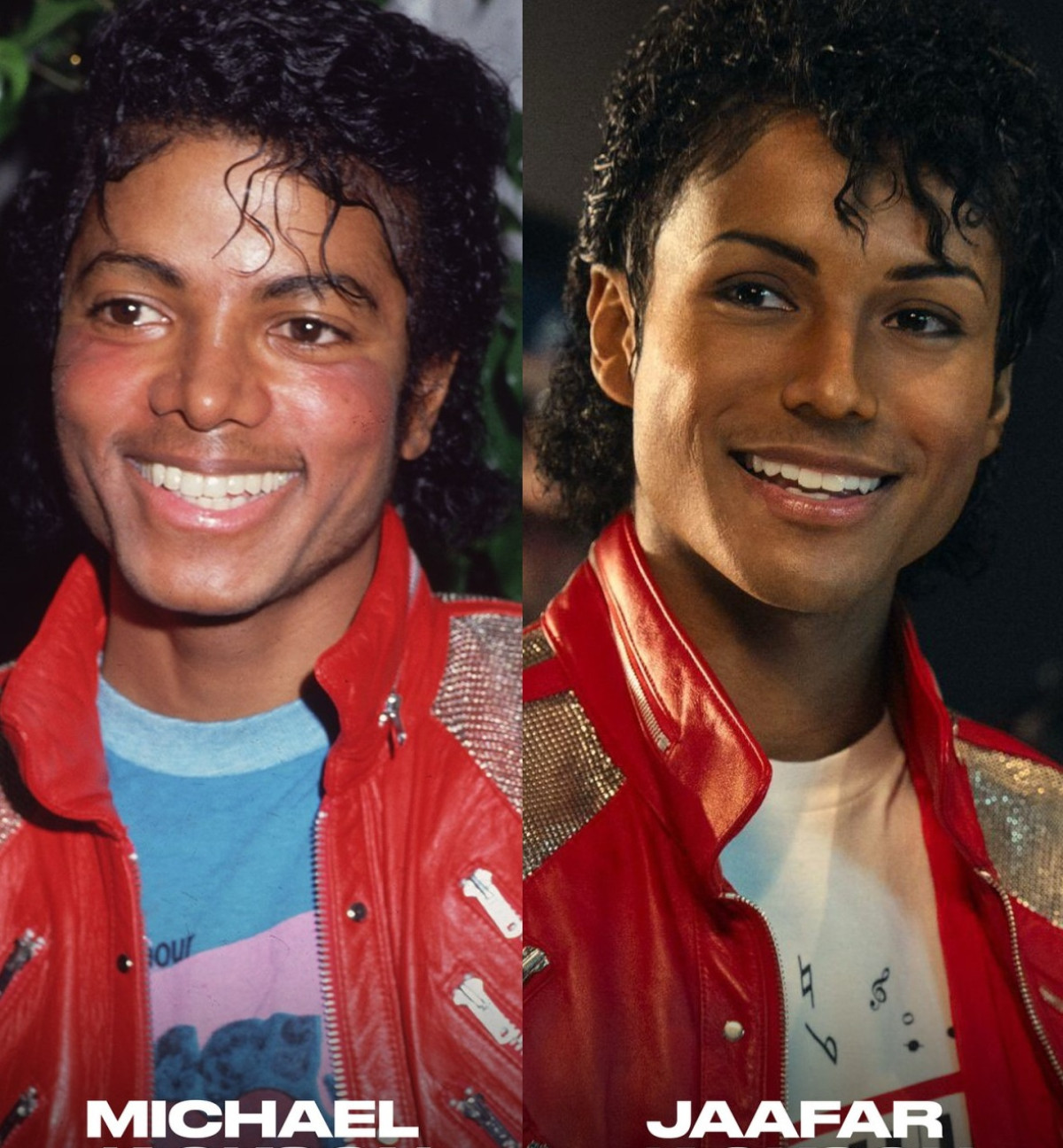
Jaafar Jackson plays Michael Jackson in the 2026 biopic Michael, and the story of how the 29-year-old newcomer landed the role is more interesting than the film itself. It started with a voice note. It involved a two-year global casting search with no formal auditions. It required Jaafar to keep the role secret from his own family for a full year. And it ended with his grandmother Katherine Jackson, the woman who knew Michael longest and loved him most, telling producers that her grandson didn't just resemble her son, he embodied him. After tracking every interview, behind-the-scenes video, and production report released since the film was announced, I can tell you that the choice of Jaafar was not nepotism, not a publicity play, and not the obvious pick everyone assumes it was. It was a hard-earned outcome of the most unusual casting process in recent biopic history, and here is how it actually happened.
The durability argument comes down to whether AI demand itself is durable. Given how deeply embedded it is becoming in enterprise software, healthcare, logistics, and finance, the underlying demand is not going away. The facilities built today will need to operate for 20 plus years.
The nuclear and aerospace crossover is interesting. Datacenters are actively recruiting from those industries because the operational discipline and power systems expertise transfer directly. That is not a connection most people make.
The Regressor character is doing more interesting narrative work than most time-loop protagonists in the entire genre. The difference between reliving events and holding knowledge about events that have not happened yet is a distinction the series explores carefully.
When you think of murim manhwa, your mind probably conjures images of ancient martial arts sects, internal energy cultivation, and warriors battling with swords and bare fists in historical settings. Science fiction elements like outer space invasions, advanced technology, and apocalyptic scenarios belong to completely different stories. Return of the Demonic Instructor takes these seemingly incompatible genres and weaves them into something genuinely innovative. Released on Webtoon in January 2026, this series arrived at the perfect moment when readers were hungry for fresh takes on established formulas. The premise alone sounds wild. A murim world gets invaded by demons from outer space, forcing martial artists to adapt centuries-old techniques to fight extraterrestrial threats. Then throw in regression, magic systems, and apocalyptic survival elements for good measure.

The philosophical question the article raises about talent without struggle creating emptiness is something athletes in real life talk about too. A lot of prodigies describe the same hollow feeling Yu has.
The article mentions Jinwoo's progression feeling earned but skips over how the daily quests in the early chapters were some of the most satisfying reading in the entire genre. That grind period was peak system manhwa.
I have been following Korean webtoon fandom spaces and the original Korean readership is intensely devoted to this series. That kind of grassroots enthusiasm usually means something.
The manhwa world exploded when Solo Leveling first introduced us to Sung Jinwoo's journey from the weakest hunter to humanity's strongest defender. Now, Solo Leveling Ragnarok brings a fresh perspective to this beloved universe, and fans everywhere are asking the same questions. Can the sequel live up to the original? Do you need to read Solo Leveling first? What makes this continuation worth your time? This guide covers everything you need to know about Solo Leveling Ragnarok, whether you're a longtime fan or someone curious about jumping into the series Solo Leveling Ragnarok is not a reboot or alternate timeline. This is a direct sequel that continues the story years after the original series concluded. The protagonist shifts from Sung Jinwoo to his son, Sung Suho, who must forge his own path in a world still recovering from the catastrophic events his father prevented.

In a manhwa landscape dominated by dungeon crawling, regression narratives, and power fantasies, The Greatest Estate Developer stands out by asking a simple question: what if the protagonist's greatest weapon wasn't a sword or magic system, but civil engineering knowledge? This bizarre premise transforms into one of the most entertaining, genuinely funny, and surprisingly heartfelt series currently running, proving that innovation in storytelling comes from unexpected places. The series takes the familiar isekai setup where a modern person finds themselves in a fantasy world and completely subverts expectations. Instead of becoming an adventurer or hero, protagonist Kim Suho uses his engineering knowledge to revolutionize construction, infrastructure, and economic development. What sounds like it should be boring becomes absolutely captivating through sharp writing, excellent comedic timing, and genuine passion for showing how infrastructure improves lives.

My problem with a lot of regression manhwa is the protagonist becomes boring once they have too much foreknowledge. This one sidesteps that because the timeline keeps destabilizing the further in you get.
The Explore Mode unlimited generations thing is the feature I keep telling other creators about. It flips the mental model from conserving credits to actually exploring ideas freely.
Both companies losing billions while generating tens of billions in revenue is the defining financial paradox of the AI era. Every legacy tech company would kill for those growth rates and every rational CFO would be horrified by those burn rates simultaneously.
Exactly. This is negotiating by press release. You do not need to actually build chips to benefit from announcing you are thinking about building chips.
As someone who has been through coordinated disclosure processes at scale, 135 days is generous by some standards and brutal by others depending on the complexity of the patch. The real question is whether the affected vendors actually have bandwidth to respond that fast.
Every cycle people say this one is different because of institutional involvement. And every cycle we still get a 30 to 40 percent correction at some point. Managing expectations accordingly.
The article asks what Paris says about the future. My guess is a lot more of this. More curated appearances, fewer of them, each one very deliberate. That is a more interesting public presence than the constant content cycle.
The leather bag is investment worthy. Mine has lasted 5 years and still looks amazing