
Does the film cover Michael's vitiligo and the whole skin change narrative, or does it gloss over that too?
10
Sign up to see more
SignupAlready a member?
LoginBy continuing, you agree to Sociomix's Terms of Service, Privacy Policy

Does the film cover Michael's vitiligo and the whole skin change narrative, or does it gloss over that too?
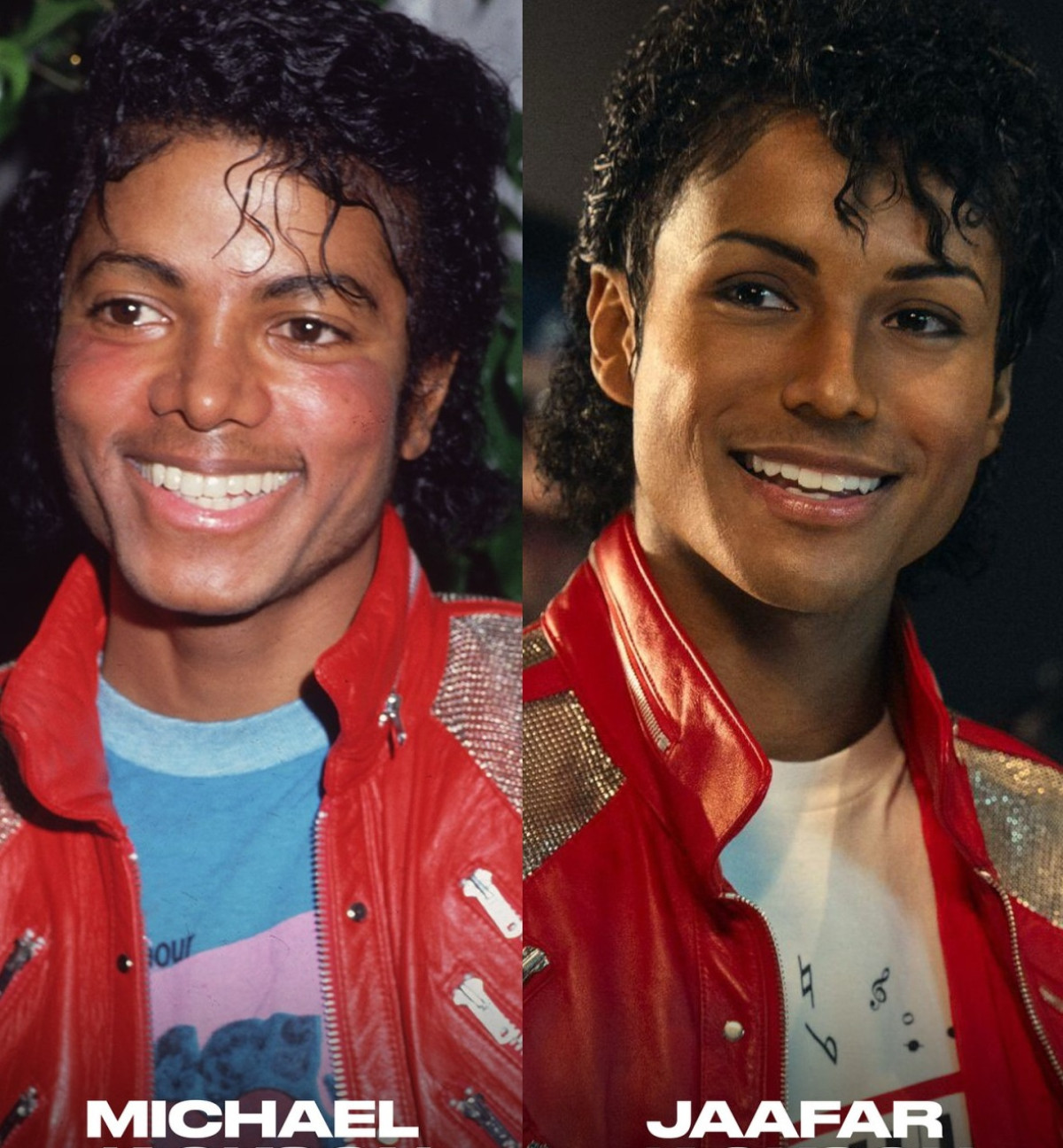
Jaafar Jackson plays Michael Jackson in the 2026 biopic Michael, and the story of how the 29-year-old newcomer landed the role is more interesting than the film itself. It started with a voice note. It involved a two-year global casting search with no formal auditions. It required Jaafar to keep the role secret from his own family for a full year. And it ended with his grandmother Katherine Jackson, the woman who knew Michael longest and loved him most, telling producers that her grandson didn't just resemble her son, he embodied him. After tracking every interview, behind-the-scenes video, and production report released since the film was announced, I can tell you that the choice of Jaafar was not nepotism, not a publicity play, and not the obvious pick everyone assumes it was. It was a hard-earned outcome of the most unusual casting process in recent biopic history, and here is how it actually happened.
Will the Michael Jackson biopic sequel actually address the 1993 allegations or will it dodge them too?
Saw an early screening last night and the Beat It sequence had the whole theater reacting out loud. Whatever you think about the rest of it, those musical set pieces are staged at a level I have genuinely not seen in a music biopic before.
The article does not mention which streaming platforms are confirmed for each title and that is actually the most practical information most readers want. Who cares about ranking if you cannot watch it.
Every time someone discovers The Boxer for the first time and posts about it online there is this shared recognition from readers who went through the same thing. It is a weirdly communal experience.
The Boxer alongside Omniscient Reader and Solo Leveling represents a wave of Korean storytelling that is doing things structurally that manga hasn't attempted in decades. It is a good time to pay attention.
Not for everyone. If you need a protagonist with clear goals and forward momentum, this will frustrate you. This is a story where the point is the weight of standing still while everything else moves.
The article's title says this will change how you see sports manhwa and honestly it is more accurate to say it changes how you see sports stories in any medium. The questions it asks apply everywhere.
Some of the historical deep dives in this series are legitimately educational. Found myself actually looking up the mythological background of certain relics after reading chapters.
Hot take: the designer-developer relationship was never really about aesthetics. It was about power and ownership over the product. Better tooling helps but it does not address the underlying org structure question.
Daily quota caps that lock you out mid-session are a terrible user experience regardless of price. If the cap exists, users need real-time visibility on how close they are before they hit the wall.
Forty million dollars in annual recurring revenue. Six months. One browser-based platform. Those numbers would be impressive for any software company, but for Bolt.new, they represent something more significant: the moment when development environments moved permanently into the cloud and never looked back. Traditional software development has always required setup. Install Node.js, configure your environment, manage dependencies, set up local servers, troubleshoot version conflicts. Before writing a single line of code, developers spend hours or even days preparing their machines. Junior developers often spend their first week just getting their environment working. Bolt.new eliminated all of that with WebContainers technology.
The authentication and database features in Bolt Cloud are genuinely full-stack capable for most use cases. Stop treating this like a toy.
Text-based video editing is now mainstream enough that Premiere Pro added its own version of it. That is the market signal that this approach won the argument about whether it belongs in serious production workflows.
This story would have broken me if I had read it during a period of grief in my life. Reading it now I can appreciate it with a slightly safer distance.
This whole debate is a bit ironic. The tool is supposed to reduce cognitive overhead but now we are spending mental energy tracking quotas, credit burn rates, and daily resets instead of tracking dollars. Same anxiety, different metric.
the glasswing butterfly metaphor is genuinely beautiful. Transparent wings as an analogy for invisible vulnerabilities. Whoever came up with that deserves a raise.
My concern is less with Mythos specifically and more with what comes after Mythos when the next generation of models makes this one look like a calculator.
The revenue numbers for Claude Code are extraordinary but they are run-rate estimates not audited financials. Worth keeping in mind before treating $2.5 billion as a settled fact.