The irony of the AI hype cycle is that building the infrastructure to run AI is creating a massive demand for very human, very physical, very analog skills. Electricians and pipefitters are direct beneficiaries of the AI boom.
9
Sign up to see more
SignupAlready a member?
LoginBy continuing, you agree to Sociomix's Terms of Service, Privacy Policy
The irony of the AI hype cycle is that building the infrastructure to run AI is creating a massive demand for very human, very physical, very analog skills. Electricians and pipefitters are direct beneficiaries of the AI boom.
Doom Breaker is proof that the tower climbing genre still has unexplored territory. People were calling it creatively exhausted two years ago and then this exists.
Painter of the Night broke open what BL historical manhwa could be in terms of moral complexity and I feel like this series is arriving at a similar moment where the genre is ready for something that takes itself seriously. The timing feels right.
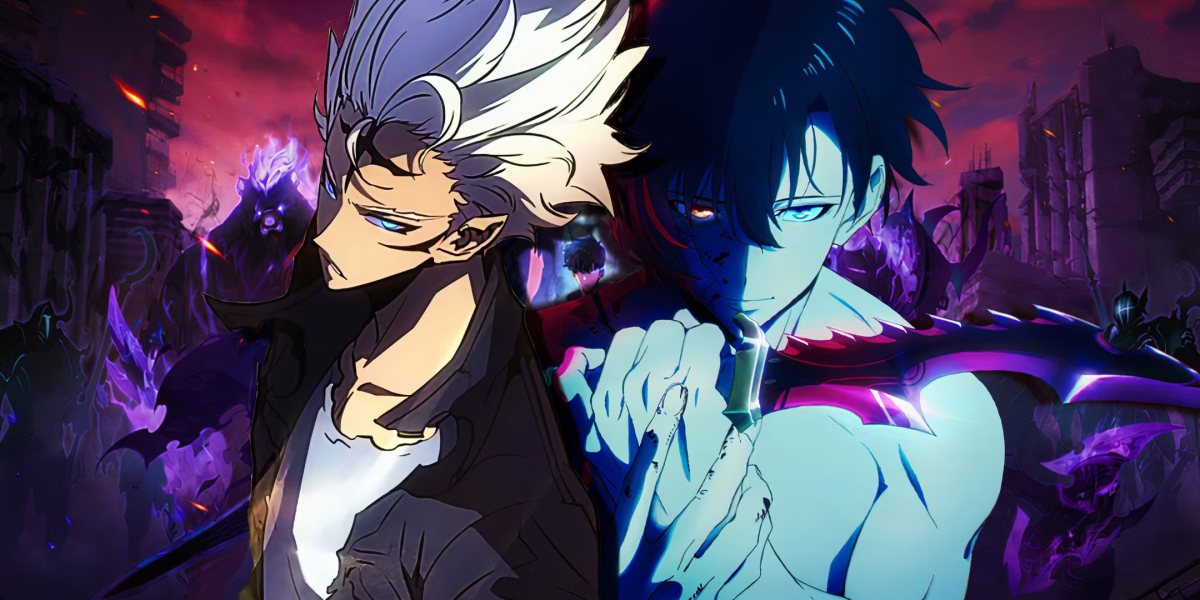
The manhwa world exploded when Solo Leveling first introduced us to Sung Jinwoo's journey from the weakest hunter to humanity's strongest defender. Now, Solo Leveling Ragnarok brings a fresh perspective to this beloved universe, and fans everywhere are asking the same questions. Can the sequel live up to the original? Do you need to read Solo Leveling first? What makes this continuation worth your time? This guide covers everything you need to know about Solo Leveling Ragnarok, whether you're a longtime fan or someone curious about jumping into the series Solo Leveling Ragnarok is not a reboot or alternate timeline. This is a direct sequel that continues the story years after the original series concluded. The protagonist shifts from Sung Jinwoo to his son, Sung Suho, who must forge his own path in a world still recovering from the catastrophic events his father prevented.
Someone asked about streaming and honestly the smart money is on Crunchyroll handling global distribution like they do with most manhwa adaptations right now. But nothing is confirmed.
The professional tool aesthetic point is real. There is a whole category of AI coding tools clearly designed to demo on stage that are painful to use for eight hours a day.
The article mentions you own the code through GitHub sync. What it does not mention is that most non-technical founders have no idea what to do with that code if something goes wrong. Ownership without comprehension has real limits.
For people debating whether to start the web novel or wait for the manhwa to adapt everything, the novel is complete and a very different experience. The manhwa adds visual spectacle the novel obviously can't match.
Not sure why the article keeps saying 140 languages when Synthesia now advertises 160 plus. Minor point but details matter in a post about a $200M raise.
The AI video generation race just got a clear winner. Runway Gen-4.5 topped the Video Arena leaderboard with a 1,247 Elo score, surpassing both Google Veo 3 and OpenAI Sora 2. For those unfamiliar with Elo ratings, this is the same system used to rank chess players and competitive games. A higher score means more wins in head-to-head comparisons. When real users compare videos side by side without knowing which AI generated them, they consistently choose Runway's output. Runway didn't start as an enterprise video tool. It began as a playground for artists and filmmakers who wanted to experiment with AI-generated visuals. The early versions produced fascinating but inconsistent results. Sometimes you'd get stunning cinematic footage. Other times you'd get distorted motion and unrealistic physics. Gen-4.5 changed that equation by achieving breakthrough consistency in motion quality and physical accuracy.
Genuinely, who do you think wins this? Not in terms of revenue right now but in five years when compute gets cheaper and model quality converges across everyone. What's the actual moat?
The Irish data protection authority just fined TikTok 530 million euros and found that EU user data was being accessed remotely by China-based engineers. And now TikTok wants us to be comfortable with them having full read access to private messages. No thank you.
The article mentions that E2EE protects LGBTQ individuals in hostile environments. This is not abstract. There are countries where being outed via a leaked DM can mean imprisonment or violence. That should weigh heavily in this conversation.
Powell and Bessent in the same room with every major bank CEO is not something that happens for routine briefings. Whatever they discussed was serious enough to pull people off their lobbying schedules.
The international dimension of this is significant. If Anthropic has already warned senior government officials that Mythos makes large-scale cyberattacks more likely this year, and that warning is not translating into visible international coordination, that is a policy failure happening in real time.
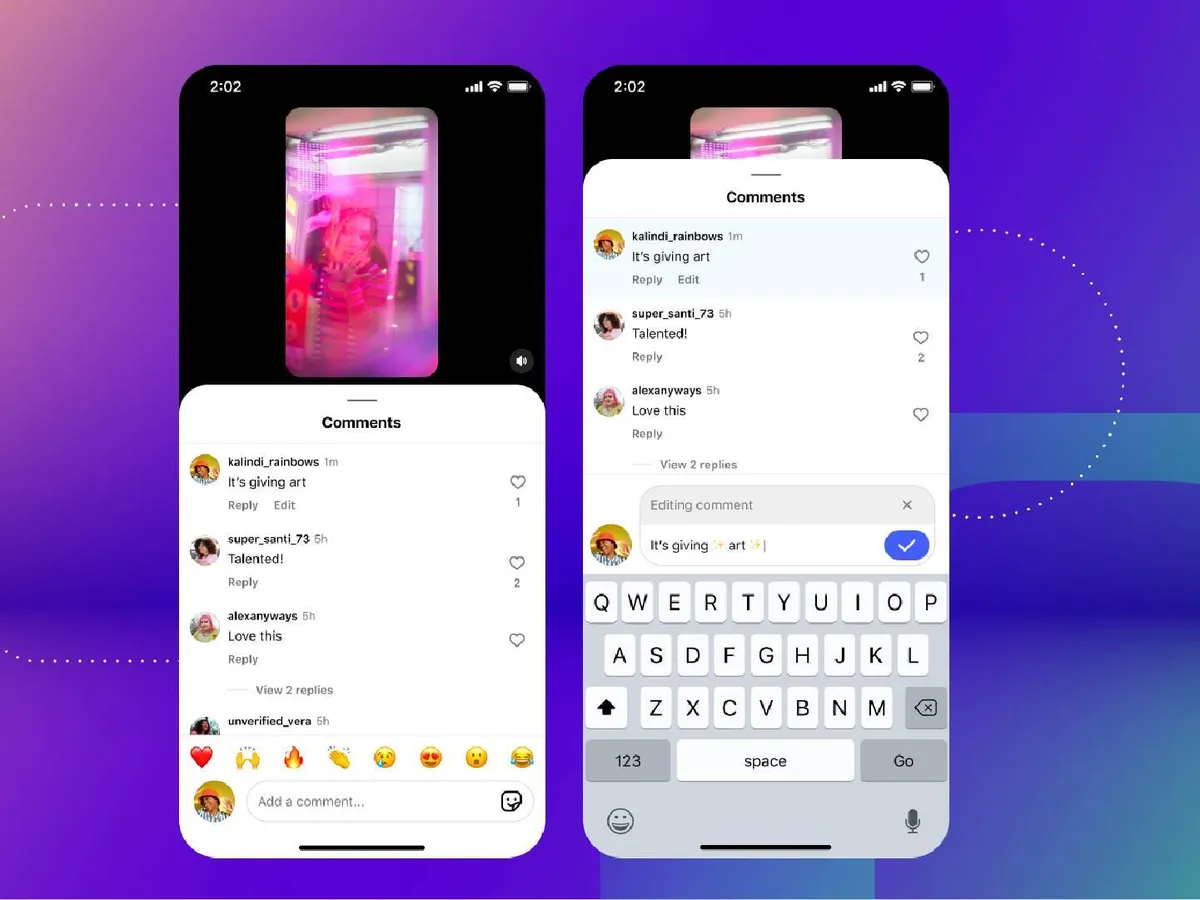
Instagram has rolled out a small but long overdue feature that users have been asking for years. You can now edit your comments after posting them. This simple change solves a very real frustration. Until now, fixing even the smallest typo meant deleting your comment and writing it all over again. That friction is finally gone. But there is a boundary. You get a 15 minute window after posting to make edits. Within that time, you can update your comment as many times as you want. There is also a layer of transparency built in. Once a comment is edited, others will be able to see that it has been modified. However, unlike platforms such as iMessage, Instagram does not show the edit history. What was originally written stays hidden.
In a rare divergence from industry norms, TikTok has confirmed it will not adopt end-to-end encryption (E2EE) for direct messages, breaking with nearly every major social media platform and reigniting one of the tech industry's most contentious debates. The Chinese-owned video platform told the BBC exclusively that it believes the privacy technology championed by Meta, Apple, and others as essential for user protection actually makes users less safe by creating "dark spaces" where harmful content can flourish beyond the reach of safety teams and law enforcement. The decision puts TikTok in direct opposition to its competitors while potentially exposing the company to fresh criticism over data protection, particularly given ongoing concerns about its ties to Beijing.
Meta has just had one of its most important AI moments yet and the early signals are hard to ignore. Following the launch of its newest AI model Muse Spark, the company’s standalone Meta AI app surged dramatically in popularity, hinting at a much larger shift that is beginning to take shape. The release is particularly significant because it marks the first major AI model rollout under Alexandr Wang, who joined Meta to reboot its AI strategy. This is not just another incremental update. It represents a more aggressive and focused push into the AI race. According to data from Appfigures, Meta AI jumped from number 57 to number 5 on the U.S. App Store within a day of the launch. That kind of movement rarely happens without a strong underlying pull from users. It signals not curiosity but intent.
Think I might try recreating this with pieces from my closet. Have a similar skirt but in navy gingham