
That gap is maddening given how much hormonal variation affects hunger patterns in women across a month, not just across a day.
11
Sign up to see more
SignupAlready a member?
LoginBy continuing, you agree to Sociomix's Terms of Service, Privacy Policy

That gap is maddening given how much hormonal variation affects hunger patterns in women across a month, not just across a day.
Honestly the thing that sold me on this pivot was the concept of capital lock-in. When a company spends a billion dollars on a facility, they are committed to staffing it no matter what the economy does. That is a very different risk profile than a software team.
My one complaint is that some of the smaller filler fight chapters have noticeably lower art quality. The peak chapters are extraordinary but the consistency across two hundred plus chapters is not quite as airtight as the article suggests.
Solo Leveling being the first manhwa adaptation to win anime of the year is proof the genre has fully arrived. ORV has the narrative depth to go even further if the adaptation respects it.
The regression subgenre has exploded in popularity over the past few years, becoming one of the most beloved narrative frameworks in Korean manhwa. The core premise is deceptively simple: a protagonist dies or fails catastrophically, then returns to an earlier point in time with their memories intact. Armed with future knowledge, they get a second chance to change their fate, save loved ones, gain power, or pursue revenge against those who wronged them. What makes regression stories so compelling is the combination of dramatic irony, strategic satisfaction, and emotional depth they provide. Readers know what the protagonist knows, creating tension when other characters make mistakes we can see coming. We feel smart alongside protagonists who use foreknowledge to outmaneuver enemies. And we experience the emotional weight of carrying memories of futures that haven't happened yet, of people who died who are currently alive, of betrayals that haven't occurred.

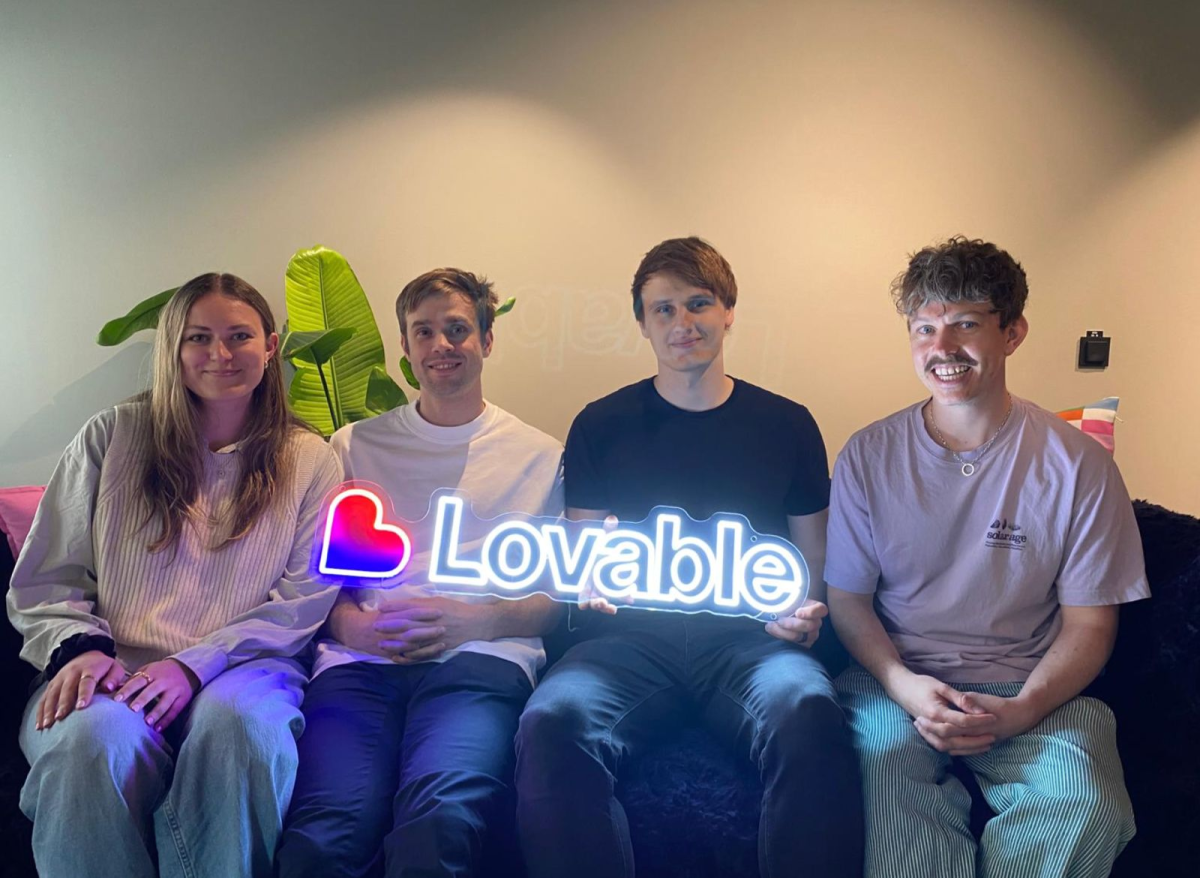
The software development world just witnessed something unprecedented. A European startup called Lovable reached $20 million in annual recurring revenue in just two months, making it potentially the fastest-growing startup in European history. But here's the twist that's making traditional software agencies nervous: they did it by giving non-technical founders the power to build full-stack applications without writing a single line of code. For years, the promise of no-code tools has been the same: anyone can build an app. But the reality has always been different. You'd create a beautiful frontend, get excited about your progress, and then hit the technical cliff. Suddenly you needed to configure databases, set up authentication, manage API keys, and deploy to servers. The "no-code" dream became a "hire-a-developer-anyway" nightmare.
Figma has been trying to close this design to code gap with its own Dev Mode for years. v0 basically lapped them by approaching the problem from the code side rather than the design side. Sometimes the better angle is not the obvious one.
The year 2026 marks a pivotal moment in the evolution of manhwa as a medium. What started as a trickle of Korean comics receiving anime adaptations has become a flood, with at least fifteen confirmed projects bringing beloved manhwa to animated life. This explosive growth wasn't accidental but the inevitable result of Solo Leveling's massive success proving that manhwa adaptations can compete with traditional manga anime in quality, popularity, and profitability. Studios across Japan and Korea are investing heavily in manhwa properties, recognizing that Korean storytelling brings fresh perspectives, innovative premises, and built-in fanbases eager to see their favorite series animated. The diversity of genres receiving adaptations demonstrates that manhwa appeal extends far beyond action and fantasy into romance, psychological thriller, sports, and slice-of-life territories.

Hot take: if your meeting can be fully replaced by an AI summary, it should have been an email in the first place.
Unpopular opinion: a lot of the apps being built with this are going to be terrible products. The bottleneck was never the code, it was always product thinking, user research, and actual distribution. Those remain hard.
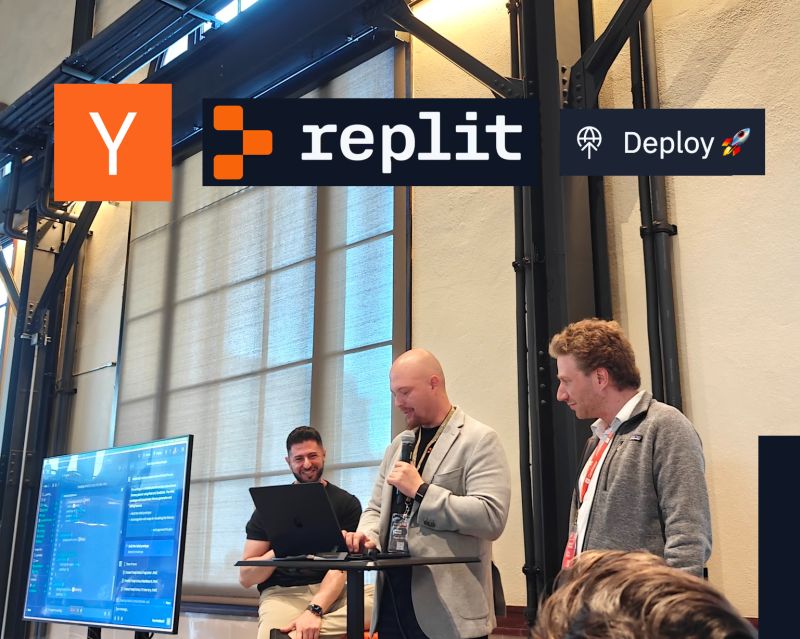
When a company's revenue jumps from $10 million to $100 million in nine months, you pay attention. When that growth comes from an AI agent that builds entire applications autonomously, you realize something fundamental just changed in software development. Replit Agent represents that change, and the numbers prove developers are ready for it. Replit started as a browser-based coding environment for education. Students could write Python or JavaScript without installing anything locally. Teachers loved it because setup time vanished. But the company saw something bigger. If you could run code in the browser, why not let AI write that code? That question led to Agent 3, an AI that doesn't just suggest code completions. It builds entire applications from scratch.
Hot take, every government that is praising TikTok for not encrypting messages is a government that also wants to be able to read those messages someday. The law enforcement community's enthusiasm here is not purely altruistic.
If the ceasefire collapses and oil spikes back toward $110, this entire rally unwinds in about six hours. That's not pessimism, that's just how correlated risk assets are to energy prices right now.
Meta has just had one of its most important AI moments yet and the early signals are hard to ignore. Following the launch of its newest AI model Muse Spark, the company’s standalone Meta AI app surged dramatically in popularity, hinting at a much larger shift that is beginning to take shape. The release is particularly significant because it marks the first major AI model rollout under Alexandr Wang, who joined Meta to reboot its AI strategy. This is not just another incremental update. It represents a more aggressive and focused push into the AI race. According to data from Appfigures, Meta AI jumped from number 57 to number 5 on the U.S. App Store within a day of the launch. That kind of movement rarely happens without a strong underlying pull from users. It signals not curiosity but intent.
Why does JPMorgan Chase get access? They are a bank, not an infrastructure software company. I understand the critical systems argument but that criteria seems to be stretching.
OpenAI's latest subscription offering represents its most aggressive move yet to reclaim market share in the rapidly expanding AI-powered coding assistant sector
I wonder if the tank would look good with a denim skirt? Thinking of getting it but want to style it multiple ways
Who else appreciates how this outfit doesn't need shapewear? The peplum does all the work!