Okay but can we talk about how Bigang being unable to use inner power is actually the key to everything? The thing that made him worthless is the exact reason he survived the demons' experiments. That kind of narrative symmetry is rare in manhwa.
Sign up to see more
SignupAlready a member?
LoginBy continuing, you agree to Sociomix's Terms of Service, Privacy Policy
Sign up to see more
SignupAlready a member?
LoginBy continuing, you agree to Sociomix's Terms of Service, Privacy Policy

Okay but can we talk about how Bigang being unable to use inner power is actually the key to everything? The thing that made him worthless is the exact reason he survived the demons' experiments. That kind of narrative symmetry is rare in manhwa.
Every opponent in this series is technically the hero of their own story and Yu is the disaster that ends it. The series running nearly 123 episodes of that structure without it becoming repetitive is an extraordinary achievement.
The Dokja and Joonghyuk dynamic is what got me completely hooked. The idea of someone knowing everything about a person before even meeting them, and then that person slowly realizing it, is such good dramatic tension.
The article doesn't mention SSS-Class Revival Hunter and that is a genuine omission. A protagonist who has to die to gain powers creates tension that most overpowered protagonist stories completely lack.
The eyes. The article mentions this and it is exactly right. A single panel of Cheon Yeo-Woon's eyes narrowing is more dramatic than three pages of technique explosions in weaker series.
Genuinely, where is SSS-Class Revival Hunter on this list. That series took the regression formula and added something genuinely novel with the copy ability mechanic and the character arc is extraordinary.
Nano Machine and Peerless Dad are the two series I use to explain to people why murim is worth their time. Different reasons but both completely rewarding.
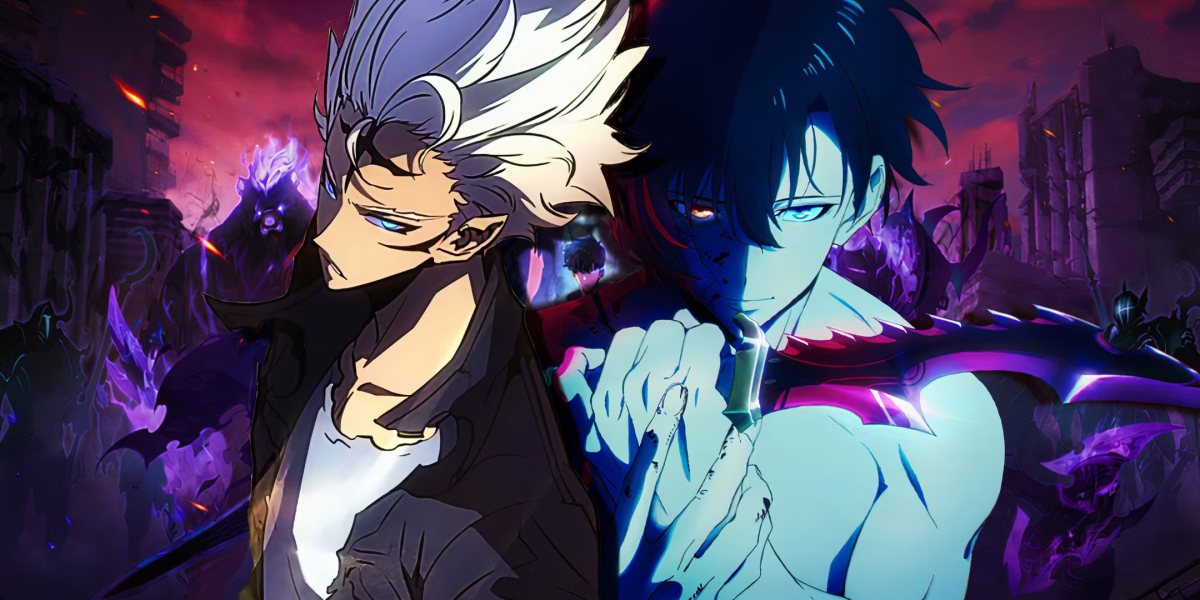
The manhwa world exploded when Solo Leveling first introduced us to Sung Jinwoo's journey from the weakest hunter to humanity's strongest defender. Now, Solo Leveling Ragnarok brings a fresh perspective to this beloved universe, and fans everywhere are asking the same questions. Can the sequel live up to the original? Do you need to read Solo Leveling first? What makes this continuation worth your time? This guide covers everything you need to know about Solo Leveling Ragnarok, whether you're a longtime fan or someone curious about jumping into the series Solo Leveling Ragnarok is not a reboot or alternate timeline. This is a direct sequel that continues the story years after the original series concluded. The protagonist shifts from Sung Jinwoo to his son, Sung Suho, who must forge his own path in a world still recovering from the catastrophic events his father prevented.
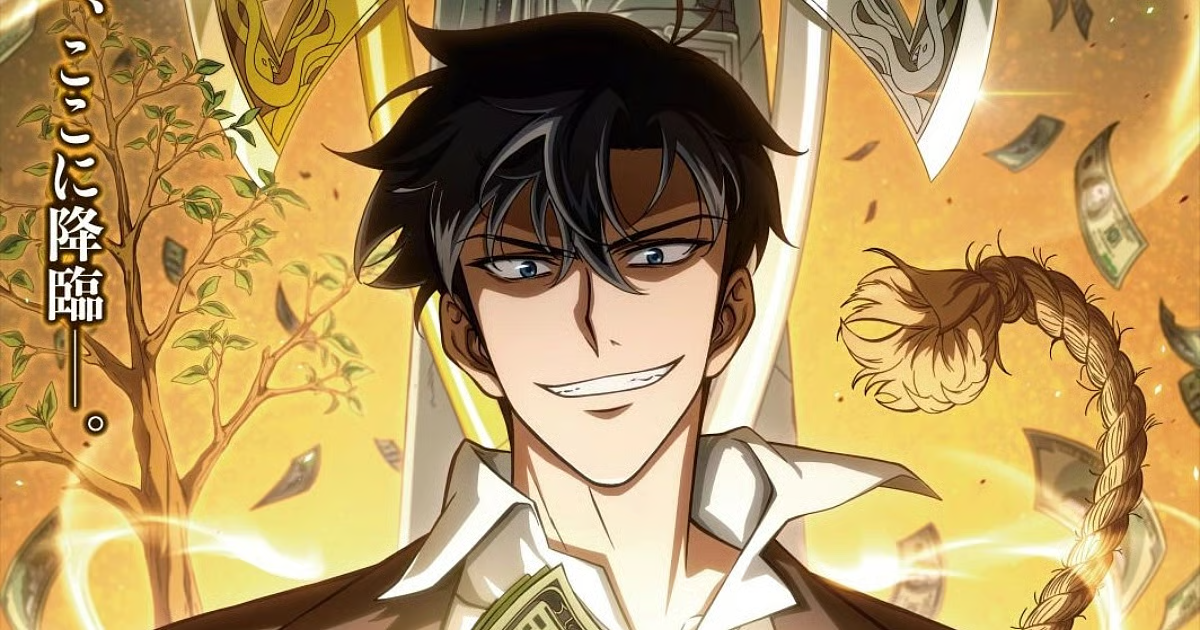
When Tomb Raider King first exploded onto the manhwa scene, it brought a fresh take on dungeon crawling stories by combining archaeological adventure with ruthless protagonist energy and a treasure-hunting premise that felt genuinely different from typical gate and dungeon narratives. The series built a dedicated fanbase through its satisfying blend of historical artifact powers, strategic relic acquisition, and a protagonist who wasn't afraid to be morally gray in pursuit of his goals. Now, with the anime adaptation confirmed for 2026 as one of the most anticipated manhwa-to-anime projects, Tomb Raider King is experiencing a resurgence. New readers are discovering the series while longtime fans eagerly await seeing Jooheon Suh's relic-hunting adventures brought to life with animation. The timing couldn't be better, as the series has built enough content to support a substantial adaptation while maintaining momentum in its ongoing storyline.
The manhwa has over 1.6 billion cumulative views worldwide according to some reports. This is not a niche property hoping for an audience. The audience already exists and it is enormous.
Just here to say that as a non-technical founder who has tried to hire developers three separate times in the past four years and gotten burned each time, this feels like a personal vindication.
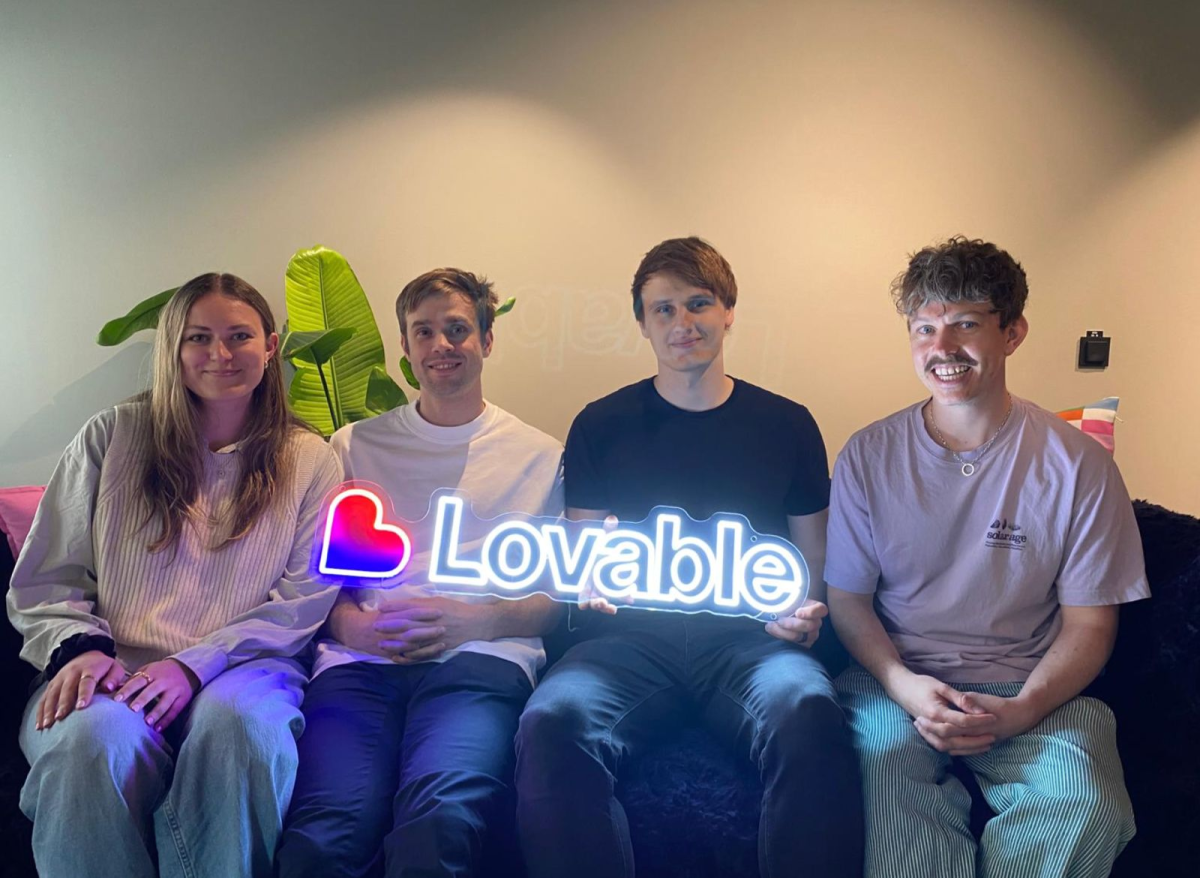
The software development world just witnessed something unprecedented. A European startup called Lovable reached $20 million in annual recurring revenue in just two months, making it potentially the fastest-growing startup in European history. But here's the twist that's making traditional software agencies nervous: they did it by giving non-technical founders the power to build full-stack applications without writing a single line of code. For years, the promise of no-code tools has been the same: anyone can build an app. But the reality has always been different. You'd create a beautiful frontend, get excited about your progress, and then hit the technical cliff. Suddenly you needed to configure databases, set up authentication, manage API keys, and deploy to servers. The "no-code" dream became a "hire-a-developer-anyway" nightmare.
The AI video generation race just got a clear winner. Runway Gen-4.5 topped the Video Arena leaderboard with a 1,247 Elo score, surpassing both Google Veo 3 and OpenAI Sora 2. For those unfamiliar with Elo ratings, this is the same system used to rank chess players and competitive games. A higher score means more wins in head-to-head comparisons. When real users compare videos side by side without knowing which AI generated them, they consistently choose Runway's output. Runway didn't start as an enterprise video tool. It began as a playground for artists and filmmakers who wanted to experiment with AI-generated visuals. The early versions produced fascinating but inconsistent results. Sometimes you'd get stunning cinematic footage. Other times you'd get distorted motion and unrealistic physics. Gen-4.5 changed that equation by achieving breakthrough consistency in motion quality and physical accuracy.
The UI learning curve is real but there are enough tutorials now that you can go from zero to usable output in an afternoon. First week is painful, after that it clicks.
Every major platform eventually gets breached. If your messages are not encrypted and a breach happens, every DM you ever sent is just sitting there in plain text. That is the actual risk people are not talking about enough.
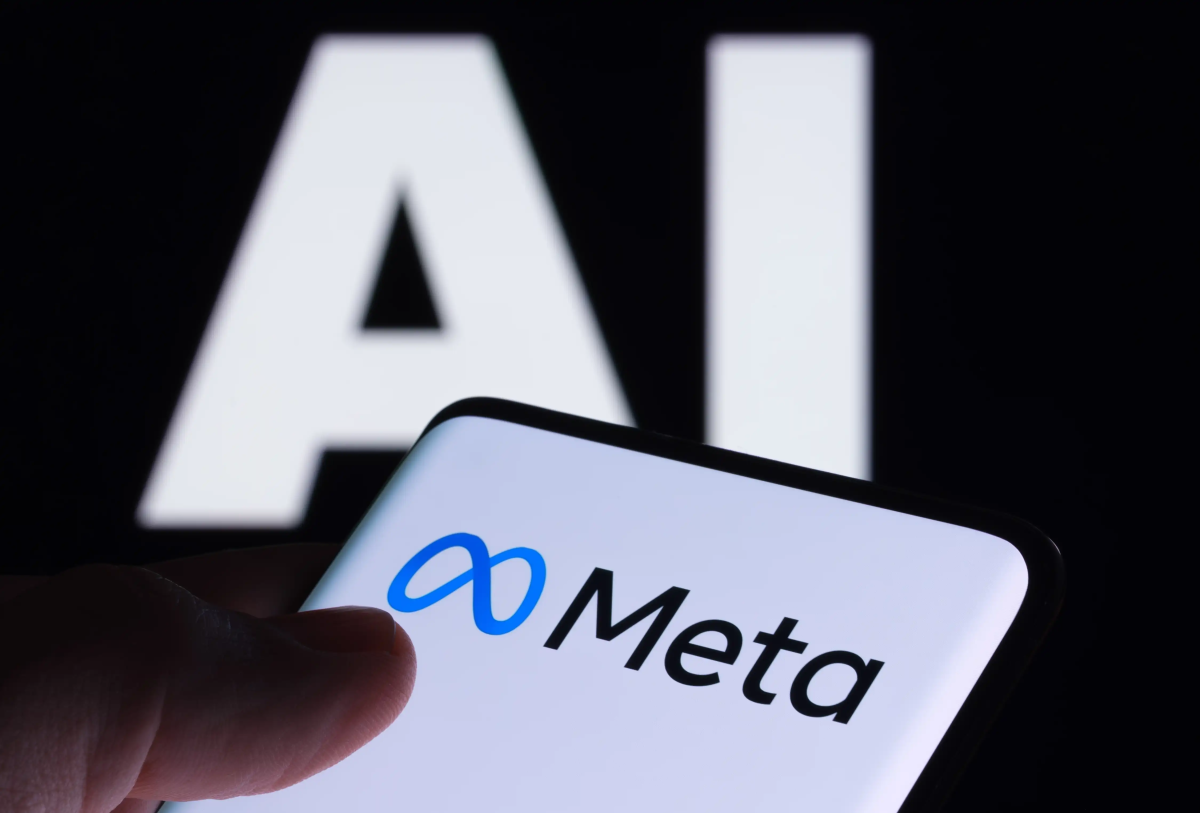
Meta has just had one of its most important AI moments yet and the early signals are hard to ignore. Following the launch of its newest AI model Muse Spark, the company’s standalone Meta AI app surged dramatically in popularity, hinting at a much larger shift that is beginning to take shape. The release is particularly significant because it marks the first major AI model rollout under Alexandr Wang, who joined Meta to reboot its AI strategy. This is not just another incremental update. It represents a more aggressive and focused push into the AI race. According to data from Appfigures, Meta AI jumped from number 57 to number 5 on the U.S. App Store within a day of the launch. That kind of movement rarely happens without a strong underlying pull from users. It signals not curiosity but intent.
Anyone else notice that Microsoft uses Claude Code internally even though they sell GitHub Copilot? That detail should be a lot bigger news than it is.
Nvidia's CUDA ecosystem has literally millions of developers and thousands of optimized applications built up over nearly two decades. That is not something any custom chip program displaces in the near term no matter how good the hardware is.
This is basically the Apple M-series story playing out in slow motion across the entire AI industry. Everyone is waking up to what Apple proved years ago, that owning your silicon is a genuine competitive advantage.
The Bitcoin halving earlier in the year reduced new supply issuance, and now you have demand spikes from institutional ETF buying and a short squeeze on top. The supply-demand math is just not friendly to bears right now.
Join independent creators, thought leaders, and storytellers to share your unique perspectives, and spark meaningful conversations.