
Jaafar doing this as his first acting role with no prior screen credits is either the bravest thing or the most inadvisable thing in recent Hollywood history and apparently it worked out to be the former.
9
Sign up to see more
SignupAlready a member?
LoginBy continuing, you agree to Sociomix's Terms of Service, Privacy Policy

Jaafar doing this as his first acting role with no prior screen credits is either the bravest thing or the most inadvisable thing in recent Hollywood history and apparently it worked out to be the former.
Not sure I fully agree that Copycat pacing is faster than Bastard. Bastard had a brutal first chapter hook that still haunts me. These feel pretty comparable in terms of immediate threat establishment.
The creators behind some of Webtoon's most successful psychological thrillers have returned with a series that's already generating intense discussion across manhwa communities. For fans who've been following the horror and thriller genre on digital platforms, Carnby Kim and Youngchan Hwang need no introduction. Their latest collaboration tackles themes of artistic plagiarism, obsession, and murder in ways that feel disturbingly relevant to current conversations about creative theft and AI-generated content. This guide covers everything you need to know about Copycat, from its premise and release schedule to how it compares with their previous masterpieces like Sweet Home and Bastard.

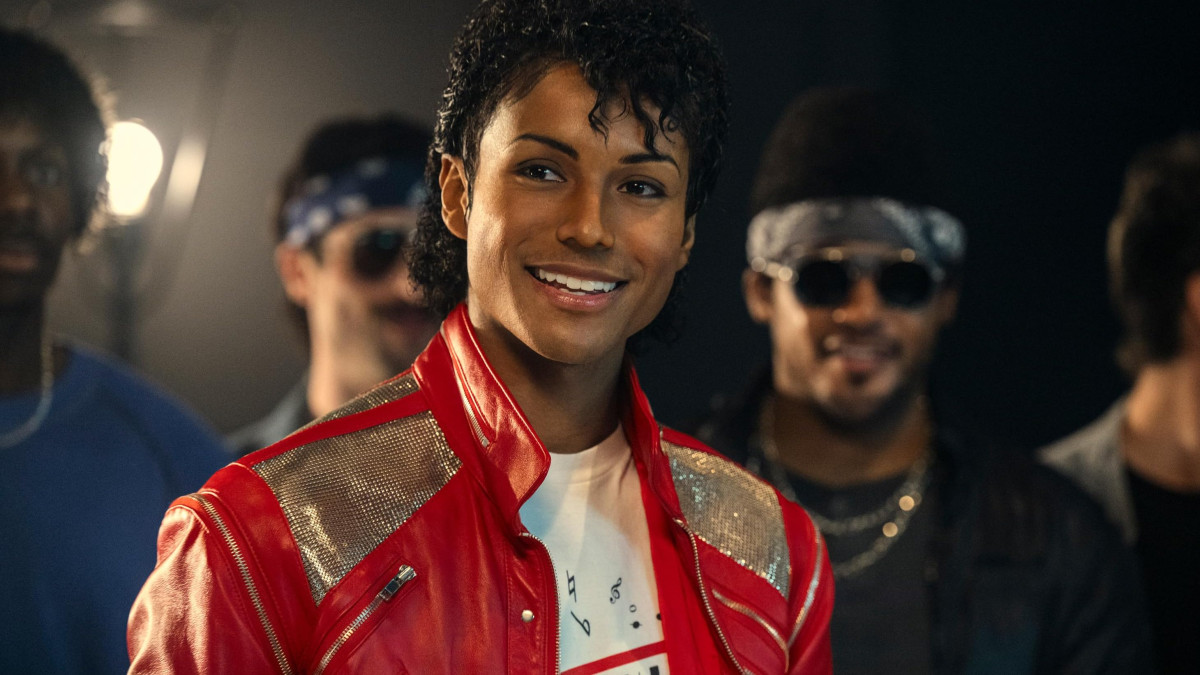
The Michael movie review verdict is in, and it is more complicated than the 26% Rotten Tomatoes score suggests. Antoine Fuqua's long-delayed Michael Jackson biopic, simply titled Michael, hit theaters this weekend with Jaafar Jackson playing his late uncle, and the critical response has been brutal. The BBC gave it one star. Roger Ebert's site called it a filmed playlist in search of a story. Yet early audience reactions on social media have been warmer, ticket pre-sales suggest an $80 million opening, and Variety thought it worked as an engrossing middle-of-the-road biopic. After tracking coverage across more than a dozen outlets over the past 48 hours, I think the honest answer to "should you watch this?" depends almost entirely on what you want from a music biopic, and this guide breaks down exactly what the film delivers, what it skips, and who will actually enjoy sitting through its two-hour-and-nine-minute runtime.
The section on edge computing is where this gets really interesting for people outside the major metros. Secondary markets are finally getting infrastructure investment and the jobs are coming with it.
Every opponent in this series is technically the hero of their own story and Yu is the disaster that ends it. The series running nearly 123 episodes of that structure without it becoming repetitive is an extraordinary achievement.
The article is right that the layered villain structure keeps stakes escalating but I'd add that the Apostle of the Itarim's infiltration of the Hunter Association creates a specific kind of tension that the original never really attempted.
The meta-narrative layers this story operates on are unlike anything else in the genre. You are reading about a reader experiencing a story, while the constellations watch that reader like he is the story. It collapses inward in the best possible way.
In a manhwa landscape dominated by dungeon crawling, regression narratives, and power fantasies, The Greatest Estate Developer stands out by asking a simple question: what if the protagonist's greatest weapon wasn't a sword or magic system, but civil engineering knowledge? This bizarre premise transforms into one of the most entertaining, genuinely funny, and surprisingly heartfelt series currently running, proving that innovation in storytelling comes from unexpected places. The series takes the familiar isekai setup where a modern person finds themselves in a fantasy world and completely subverts expectations. Instead of becoming an adventurer or hero, protagonist Kim Suho uses his engineering knowledge to revolutionize construction, infrastructure, and economic development. What sounds like it should be boring becomes absolutely captivating through sharp writing, excellent comedic timing, and genuine passion for showing how infrastructure improves lives.

The trust problem is real. Recent developer surveys show that while AI tool adoption keeps climbing, trust in the actual output has dropped pretty sharply. Using these tools more does not mean trusting them more.
If your meeting culture is so broken that you need an AI to justify skipping meetings, the AI is not the fix. The meeting culture is the problem.
The sales team use case is the most compelling one for me. Reviewing AI summaries of 20 calls a week instead of listening to recordings is a massive time unlock for managers.
While Synthesia leads in revenue, HeyGen leads in customer acquisition momentum with 152% year-over-year growth in mid-market adoption. That explosive growth rate allowed HeyGen to close much of the customer count gap by late 2025. The company is winning by making avatar video accessible to smaller teams and individual creators who cannot afford enterprise contracts but need professional video capabilities. HeyGen positioned itself for small and medium businesses, marketing teams, content creators, and solo entrepreneurs rather than enterprise learning and development departments. This market segment values affordability, ease of use, and creative flexibility over governance features and advanced integrations. Average contract values are roughly one-third of Synthesia's, reflecting this different customer profile.

Speaking from experience working in cybersecurity policy, the problem with the safety argument is that you cannot build a backdoor only for the good guys. The same access that lets TikTok's safety team scan messages is the same access that gets exploited in a data breach.
Meta has just had one of its most important AI moments yet and the early signals are hard to ignore. Following the launch of its newest AI model Muse Spark, the company’s standalone Meta AI app surged dramatically in popularity, hinting at a much larger shift that is beginning to take shape. The release is particularly significant because it marks the first major AI model rollout under Alexandr Wang, who joined Meta to reboot its AI strategy. This is not just another incremental update. It represents a more aggressive and focused push into the AI race. According to data from Appfigures, Meta AI jumped from number 57 to number 5 on the U.S. App Store within a day of the launch. That kind of movement rarely happens without a strong underlying pull from users. It signals not curiosity but intent.
The competitive dynamics right now are intense. Anthropic apparently released something called Mythos the same week that was so powerful they are only letting a handful of companies access it initially. Meta's moment got big headlines but the frontier is moving extremely fast.
Heard this before. Big catalyst, short squeeze, new highs incoming, and then three weeks later we're back at $65K wondering what happened.
You know what would also look amazing? Swapping the pink sneakers for some white Air Force 1s when you want a more minimal vibe